

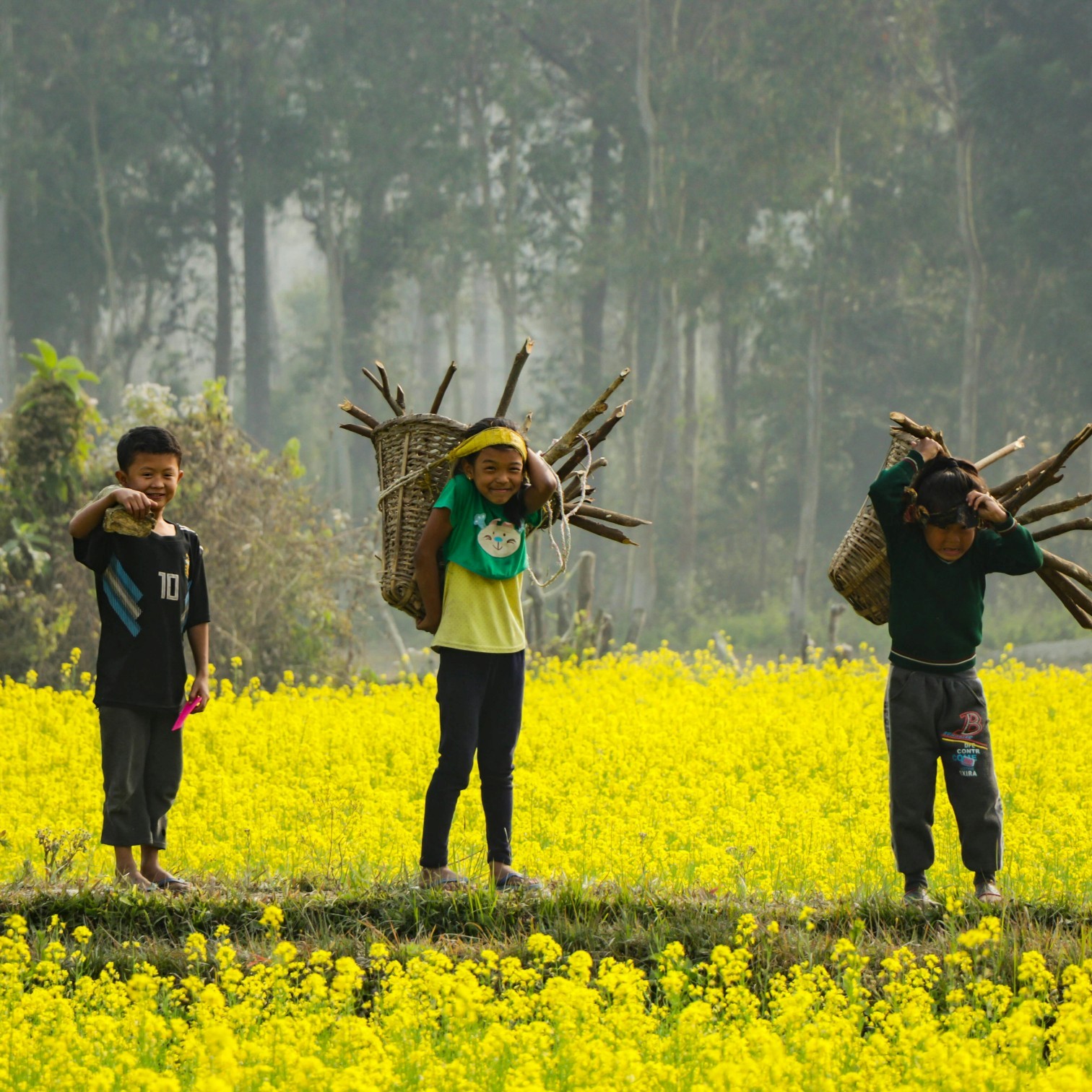

Bangladesh’s agricultural leaders have set a record production target for mustard in the Rangpur division, aiming to raise output sharply as farmers expand planting with better seed, fertiliser and government support so the region can grow more edible oil at home and earn livings from higher farm returns. The Department of Agricultural Extension has fixed a target of 234,919 tonnes of mustard from 148,748 hectares, a sizeable rise from the previous season’s 184,529 tonnes on 122,566 hectares, which means officials and growers expect a strong boost in local oilseed supply. The plan splits the target between two agricultural areas: 146,281 tonnes from 90,568 hectares across Rangpur, Gaibandha, Kurigram, Lalmonirhat and Nilphamari, and 88,638 tonnes from 58,180 hectares in Dinajpur, Thakurgaon and Panchagarh, showing a wide effort across the division. Farmers have already sown seeds on about 6,500 hectares while the rest of the sowing work continues, and many growers plan to plant mustard after harvesting short cycle paddy so they can use the same land twice in the season. Local officers say the push is driven by attractive market prices, proven cropping patterns and special incentives that include high quality seeds, fertiliser support and technical advice, which make mustard more profitable for small and marginal farmers. Research bodies and extension teams are working together to help farmers adopt high yielding varieties such as BARI Sarisha-16, -15, -11, -9 and -14, along with BINA Sarisha-3 and -4, which give better yields and help resist local stresses. Agencies including the Department of Agricultural Extension, Bangladesh Agricultural Development Corporation, Bangladesh Agricultural Research Institute and Bangladesh Institute of Nuclear Agriculture are providing seeds, training and on-field guidance to boost success rates. Much of the new planting is taking place on both mainland and riverine char areas along rivers like the Dudhkumar, Dharla, Teesta, Brahmaputra, Kartoa, Atrai and Jamuna, where farmers say newer cropping methods have proved resilient and profitable. Growers interviewed welcomed the support and said they found mustard farming easier to manage after short rice harvests, with many reporting that better varieties and timely inputs cut risk and raised returns compared with older practices. Officials and farmers add that steady yields, careful quality checks and better links to markets can help build a stronger local edible oil value chain, reduce reliance on imports and create more stable income for rural families. Challenges such as weather, water management and timely access to inputs remain, but the combination of incentives, proven seed choices and hands-on extension support gives Rangpur a strong chance to meet the ambitious target and lift community well being. Planners will monitor progress closely and offer extra training and storage support so farmers capture full value from higher production and lower risks.