

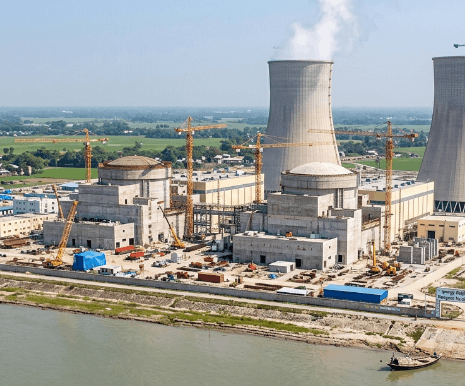

Bangladesh has taken a major step toward starting power generation at its first nuclear plant after Russian nuclear company Rosatom began loading fuel into the first reactor at Rooppur, a project built to add large new electricity supply to the national grid. The plant is planned to produce 2,400 megawatts from two reactors, and officials say power output will begin at a low level before rising gradually as safety tests are completed. The first reactor is expected to move through start-up checks before reaching commercial operation, while full output from the plant is not expected until 2027. The project is also important because Bangladesh still faces an energy crunch, with the country relying heavily on imported oil and gas and seeing supply pressure from the Middle East conflict. The estimated cost of the plant is about $13 billion, and Russia is financing 90% of that amount through a state loan, showing the scale of the partnership behind the project. If the rollout goes as planned, the first unit is expected to supply about 300 megawatts after fuel loading and safety tests, with around 1,100 megawatts from Unit 1 expected to reach the grid in early January before the unit reaches full capacity later that month. The start of fuel loading is a critical moment because it marks the move from construction into the final start-up phase, bringing the plant much closer to real power generation. For Bangladesh, that matters because the country’s demand for electricity keeps rising with heat, industry growth, and broader development needs. Rooppur is therefore not only a large infrastructure project but also a long-term answer to power shortages and a signal that Bangladesh is trying to strengthen its energy base with a new source of generation. The development also places the country among more than 30 nations that operate nuclear reactors, which is a major step for its power sector. Supporters see the project as a way to improve energy security, reduce pressure on imported fuels, and give the grid a more stable source of supply in the years ahead.