

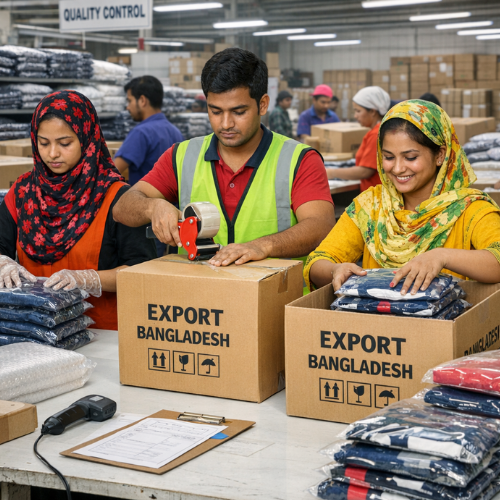

Bangladesh stood out in the United States apparel market by recording strong growth even as total US apparel imports fell, a sign that buyers are increasingly turning to reliable suppliers. Official trade figures show Bangladesh shipped $8.20 billion worth of apparel to the United States in the latest reporting period, making it the second-highest annual total on record and lifting its share of US apparel purchases to about 10.53 percent. While the wider US apparel market saw a small drop in overall value and a somewhat larger drop in volume, Bangladesh’s export value rose by double digits, underlining how the sector has moved to meet changing buyer needs. This performance came as unit prices edged up slightly across the market even while the square meter equivalent of shipments fell, which suggests buyers paid more per item but bought fewer units overall. Bangladesh’s growth contrasts with a broader shift among top suppliers: one country kept the largest share, another showed the biggest single share of imports, and several other nations held smaller but steady slices of the market. Industry numbers show that Vietnam retained a strong lead in overall share, while China, India, Cambodia and Indonesia remained important sources for US buyers. Experts say Bangladesh’s rise is driven by competitiveness on price, steady quality, faster delivery times and better compliance with buyer standards, which together help the country win orders that might once have gone elsewhere. Business leaders in the garment sector point to steady improvements in factory systems, a wider mix of products and a stronger focus on meeting social and environmental standards as reasons global buyers feel confident placing larger orders. Observers also highlight that growth in the market came despite uncertainty over trade policy and softer consumer demand in some areas, showing that buyers are willing to shift sourcing when they find partners they trust. Smaller firms and big retailers alike have benefited from clearer supply chains and better digital tools for tracking orders, and exporters say those services make it easier to manage shipments and paperwork. For workers and managers, more orders bring a chance to add shifts, keep more staff busy and invest in training and quality control, which can build longer-term value for factories and communities. The export gains also support related services such as shipping, packaging and local suppliers of trims and yarn, creating ripple effects beyond the garment floor. Looking ahead, industry voices say keeping up with product diversity, improving efficiency and maintaining good buyer relationships will be key to holding and growing market share, and the recent results suggest Bangladesh is well placed to keep winning orders as trade patterns evolve. Sustained investment and training could raise standards and expand opportunities further.