

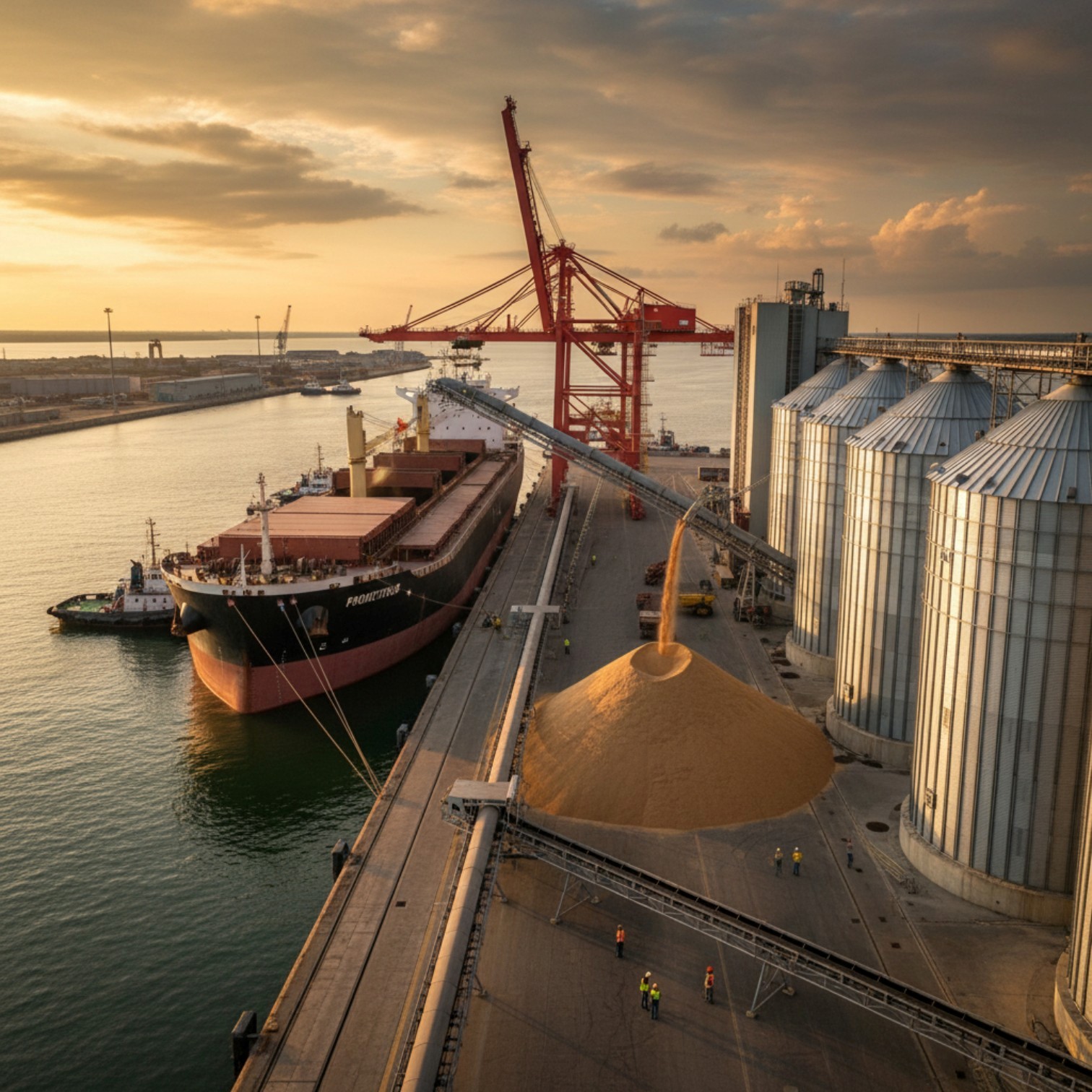

Bangladesh has moved to buy US wheat as a clear step to reduce its trade gap with the United States, a choice that could reshape supply and trade ties while keeping food stocks steady. The government approved a sizeable consignment of American wheat and has signed wider agreements to import more, showing a practical plan that links buying choices with trade goals. Officials note that US wheat is prized for its baking and milling quality, which helps local mills and bakers make consistent flour and bread, even if the price is higher than some other world sources. Buying from the US is not only about quality but also about trade balance: importing American grain can help narrow the gap that matters in trade talks and can support efforts to ease tariff pressure on key exports. This move aims to keep both consumers and exporters safe by keeping markets steady, and it gives the country more bargaining power in trade discussions. Experts say the deal will let Bangladesh keep a mix of grain sources so traders can blend wheat types to suit local needs, while the government builds its buffer stocks for food security. Private millers and public stores will get steady supply that helps plan production without sudden price surprises, and regular shipments can cut delays that hurt bakers and food makers. Local businesses will also get practical benefits: better supply reliability, clearer planning for factories, and chances for local firms to handle storage, testing and logistics for the new imports. The purchase also signals to foreign partners that Bangladesh is willing to make balanced trade choices, which could help in talks over market access for exporters. While US wheat can cost more than grains from some other suppliers, many in the food chain welcome the higher grade for products that need consistent protein and baking strength. Officials have planned clear steps for handling the imports, with testing, quality checks, and storage plans to protect farmers, millers and consumers from sudden shocks. Industry leaders say pilots and phased shipments will help mills adjust and show how blending and storage can work in everyday use, reducing risk as systems scale up. In time, steady imports from multiple sources can help keep prices stable for shoppers and reduce the chance of sudden shortages in mills and bakeries. Traders, mill operators and food makers say they are ready to work with the government to make the process smooth and to use the new supplies in ways that add value at home. Overall, the plan to buy US wheat aims to strengthen food supply, support exporters through better trade talks, and build a more predictable market that benefits businesses and everyday consumers alike. together.