

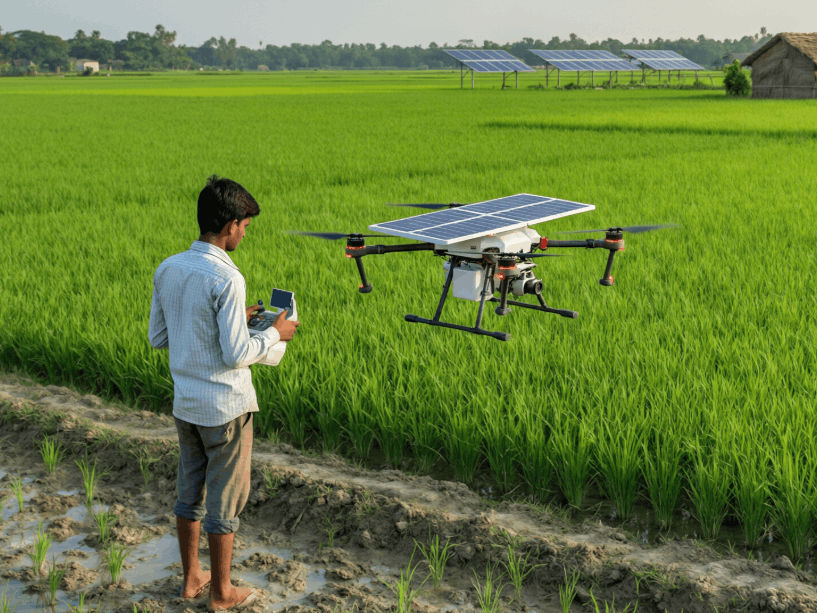

Bangladesh’s farm sector has received a fresh boost after Swiss-based Symbiotics announced a $1.5 million financing facility for iFarmer, a fast-growing agri-tech company that works to improve how farmers get inputs, sell crops, and access finance. The new support is meant to strengthen the country’s agricultural value chain by helping iFarmer expand its working capital, grow its input distribution network, and improve market links for farmers in different parts of the country. Through its KriShop platform, iFarmer plans to widen access to quality seeds, fertilizer, and other farm inputs, while also making it easier for farmers to reach buyers for their produce. The company says the funding will help it reach more farmers and retailers and build stronger supply chain operations. This matters because many farmers still face the same old problems: high input costs, weak market access, and limited access to working capital at the start of a season. With more support, they may be able to buy better inputs on time and sell their crops through a more reliable system. The deal also shows growing trust from international investors in technology-based farming platforms that can make agriculture more efficient and transparent. That is important in a country where agriculture still plays a major role in jobs and income, supporting millions of farmers across a wide network of farms and contributing a notable share of the economy. iFarmer says its broader platform connects farmers, suppliers, retailers, and large buyers through financing, digital advice, input supply, and crop sales support. Symbiotics says the investment fits its goal of backing underserved farming communities and helping build more resilient and sustainable food systems. The funding is also linked to wider development goals such as reducing poverty, improving food security, and supporting decent work. For Bangladesh, the deal is more than a single investment. It is a sign that modern farm services can attract global backing when they solve real problems in the field. If the model grows well, it could help farmers work with less stress, reduce waste in the supply chain, and build a stronger bridge between village farms and larger markets. That kind of progress could support better farm incomes, improve access to finance, and make agriculture more attractive for the next generation. Experts say such financing can also help build confidence among local suppliers and lenders, because a working model in one area can create momentum in others. It may encourage more digital services for farming, including better record keeping, faster order handling, and clearer price signals for growers. For small farmers, those changes can be as important as money itself, because they can turn farming into a more planned and stable business instead of a risky seasonal struggle.