

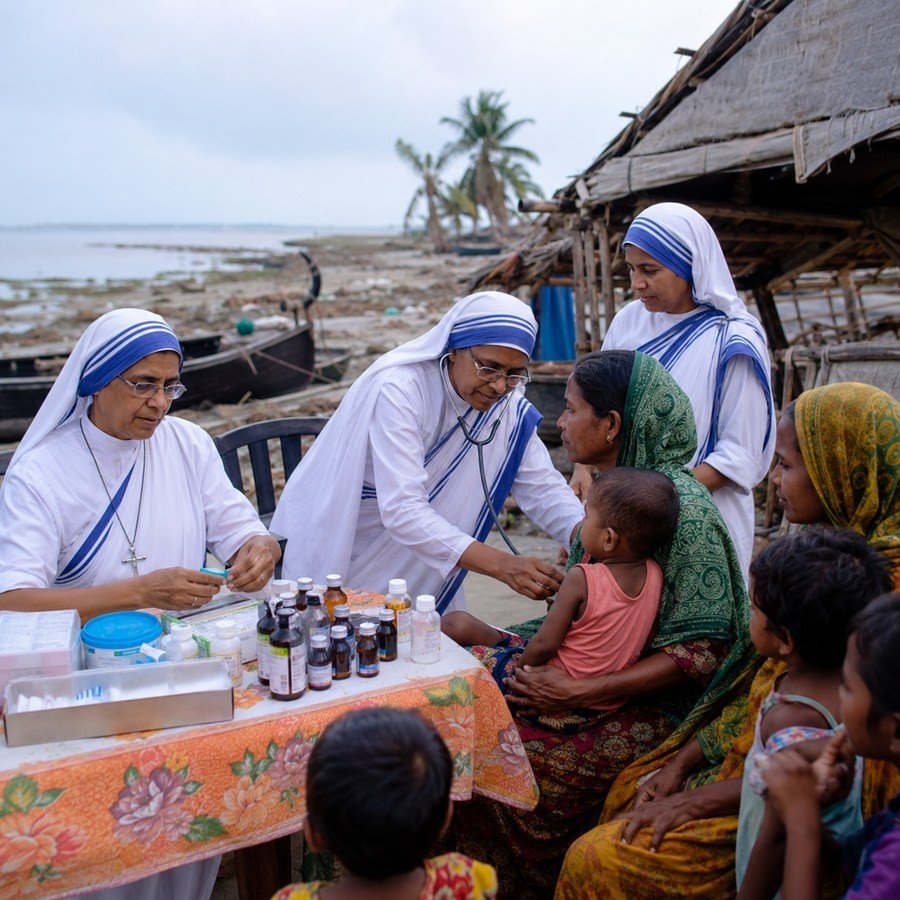

Sisters are providing healthcare support in Bangladesh’s coastal areas despite financial challenges, showing how community-based care can reach people who often face distance, poverty, and climate pressure. Coastal communities can struggle with many health risks, including limited access to clinics, unsafe water, storms, flooding, poor transport, and high treatment costs. In such areas, trusted local caregivers can make a major difference. The work of sisters is important because they often serve people who may delay care until illness becomes serious. Their support can include basic treatment, health advice, referrals, medicine guidance, maternal care, child care, and emotional support for families. Community healthcare is powerful because it is close to people’s daily lives. A patient may feel more comfortable speaking with someone who understands local conditions and treats them with respect. For many families, even a small clinic or outreach service can save time and travel costs. Coastal health work is not easy. Weather can disrupt movement, roads may be poor, and funding can be limited. Health workers may need to serve large areas with few resources. Financial challenges can affect medicine supply, equipment, staff support, and transport. Yet continued service shows commitment and trust. The sisters’ work also highlights the importance of compassion in healthcare. Good care is not only about buildings and machines. It is also about listening, explaining, following up, and standing beside people during hard times. Women, children, elderly people, and low-income families often benefit most from local health support. Maternal and child health services are especially valuable in areas where hospital access is difficult. The wider lesson is that Bangladesh’s health system needs strong community-level care alongside hospitals. Big facilities are necessary, but they cannot meet every need alone. Local caregivers can help with prevention, early detection, health education, and referrals. They can also identify problems before they become emergencies. Coastal areas need extra attention because climate change can affect health through salinity, food insecurity, waterborne disease, and displacement. Supporting community health workers and faith-based or social service groups can make the system more resilient. The sisters’ efforts show that care can continue even under pressure, but long-term sustainability requires funding, supplies, training, and partnerships. If public agencies, donors, and local communities support such work, more people can receive timely care. The story is a reminder that healthcare is strongest when it reaches the places where people live, struggle, and hope.