

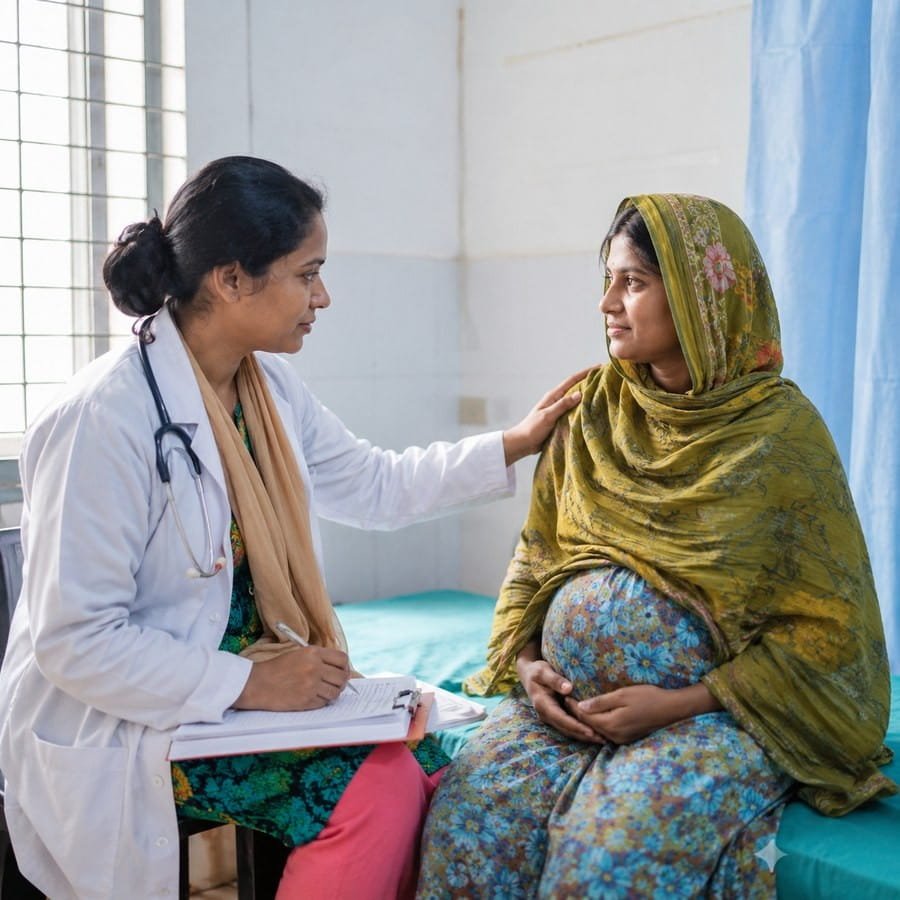

Bangladesh is aiming to eliminate obstetric fistula by improving maternal healthcare, awareness, early treatment, and support for women affected by this preventable condition. The goal is important because obstetric fistula is not only a medical issue; it can also affect a woman’s dignity, family life, mobility, income, and mental well-being. The condition usually happens after prolonged or difficult childbirth when timely emergency care is not available. Many women who suffer from it may feel shame or isolation, even though treatment is possible and prevention is clear. Stronger maternal care can protect mothers before, during, and after childbirth. For Bangladesh, the path to eliminating obstetric fistula must begin with safe pregnancy services. Women need regular checkups, skilled birth attendants, emergency referral systems, and access to hospitals when complications arise. Rural and low-income women need special attention because distance, cost, transport problems, and lack of information can delay care. Community health workers can play a major role by identifying high-risk pregnancies, encouraging facility-based delivery, and guiding families on danger signs. Awareness is also vital. Many families may not know that prolonged labour can become life-threatening or that fistula can be repaired through surgery. Clear and respectful communication can help women seek care without fear. Treatment services should also be easier to access. Women living with fistula need medical care, counseling, rehabilitation, and social support so they can return to normal life with confidence. Health systems must treat them with dignity and privacy. The elimination goal can also support wider improvements in women’s health. It can strengthen maternal hospitals, emergency obstetric care, midwifery services, referral transport, and community education. These improvements will help not only women at risk of fistula but also many mothers and newborns facing other complications. The issue also reminds society that women’s health cannot be ignored after childbirth. Postnatal care, emotional support, and follow-up services are essential. Bangladesh has already made progress in maternal and child health, but preventing obstetric fistula requires reaching the women who are still left behind. The goal is achievable if public health agencies, hospitals, community workers, local leaders, and families work together. Every safe delivery is a step toward protecting women’s health and dignity. By focusing on prevention, treatment, and social support, Bangladesh can move closer to ending obstetric fistula and building a maternal care system that serves all women with respect.