

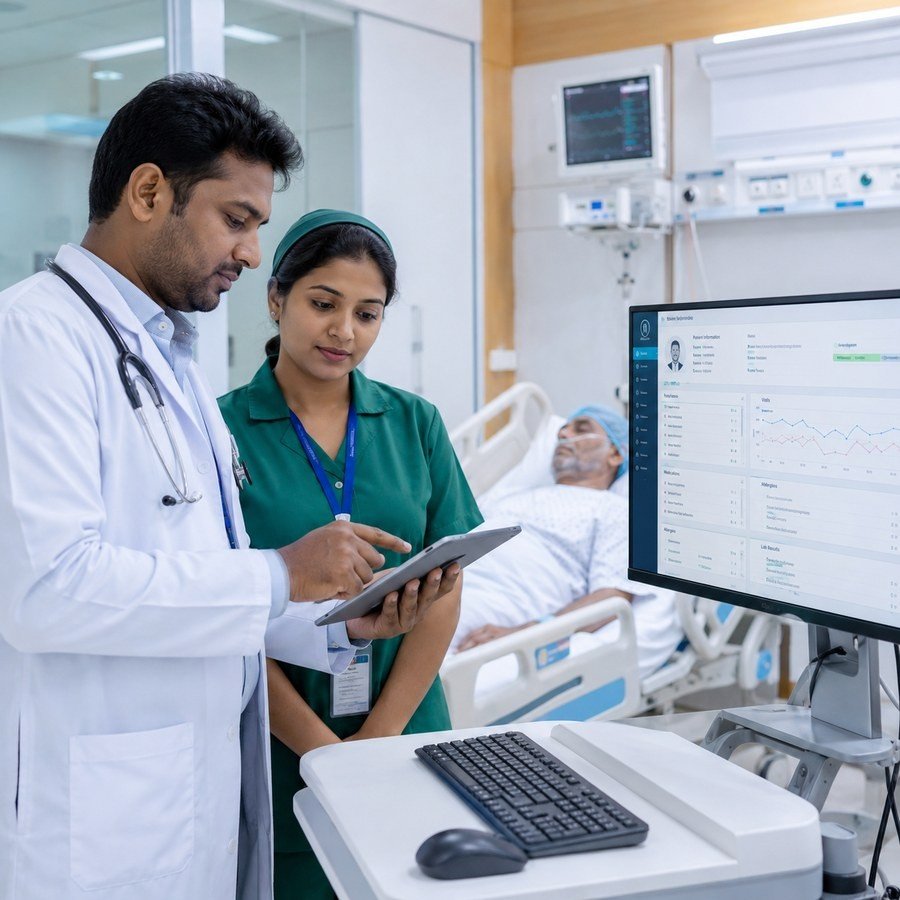

Bangladesh’s push toward electronic medical records can help move healthcare from paper files to smarter, faster, and more organized patient care. This change matters because paper-based systems often create delays, lost records, repeated tests, and confusion between doctors, hospitals, and patients. When a patient visits different facilities, important information may not travel with them. Doctors may not see past diagnoses, medicines, allergies, test results, or treatment history. Electronic medical records can help solve this by keeping patient information in a secure digital format that authorized health workers can access when needed. For patients, this can mean safer treatment and less time repeating the same information. For doctors and nurses, it can support better decisions. For hospitals, it can improve planning, billing, reporting, and service quality. Digital records can also help public health officials understand disease patterns and service needs, as long as privacy is protected. Bangladesh has a growing digital base, but healthcare digitization requires careful planning. Hospitals and clinics need reliable software, trained staff, secure servers, backup systems, and clear rules on who can access records. Patients must trust that their personal health information will not be misused. Data protection should be built into the system from the start. A good electronic record system should also be simple enough for busy doctors and nurses to use. If it is too complicated, staff may avoid it or make mistakes. Training will be essential, especially in public hospitals where patient numbers are high. Digital care should not leave anyone behind. Rural clinics, small hospitals, and low-income patients also need to benefit. If only large urban hospitals use electronic records, the system will remain incomplete. Interoperability is another key issue. Different hospitals and labs should be able to share records safely when patients give permission. Otherwise, digital records may become separate islands. The benefits can be wide. Electronic records can reduce duplicate tests, improve medicine safety, support insurance or payment systems, speed up referrals, and help patients track their own care. They can also make health planning more accurate. Bangladesh’s healthcare system is under pressure from population size, urban growth, and rising chronic diseases. Paper files are no longer enough for a modern system. Electronic medical records can become a foundation for better digital health, but the change must be patient-centered, secure, and practical. With careful rollout, Bangladesh can build a more connected healthcare system where information supports better care.