

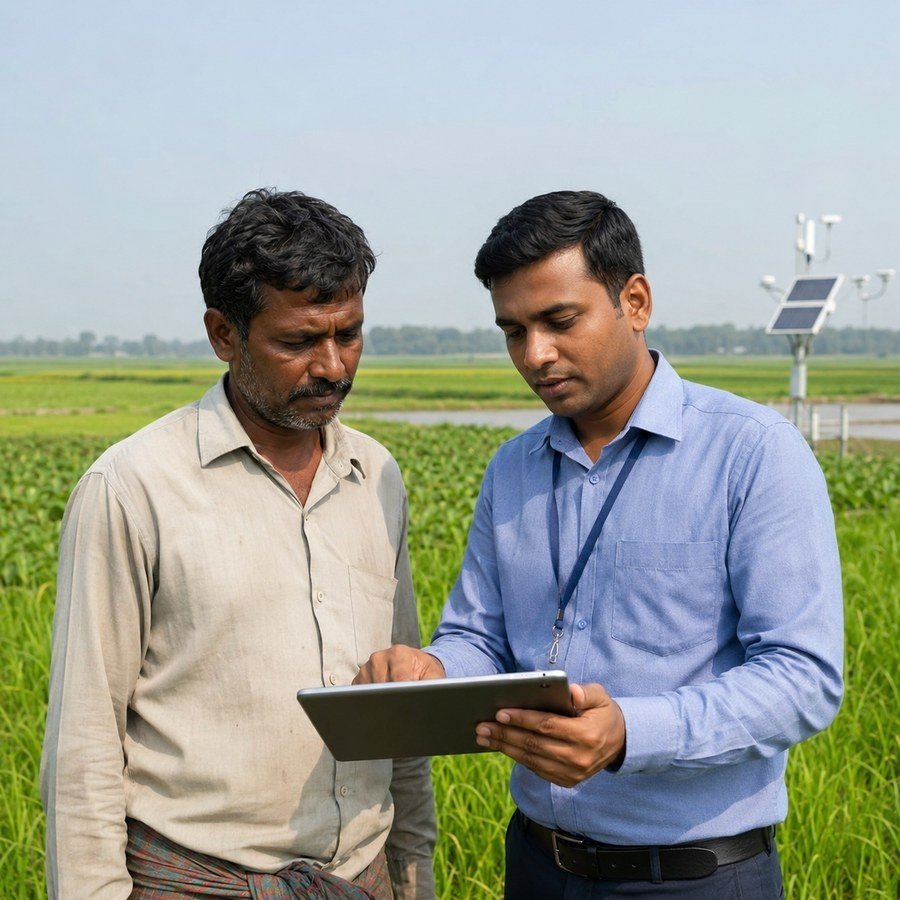

Bangladesh is working to strengthen evidence-based agricultural investment planning, a step that can help the country make smarter decisions about farming, food systems, and rural development. This effort matters because agriculture faces many pressures at once, including climate stress, rising input costs, water challenges, land limits, market changes, and the need to feed a growing population. Good planning cannot depend only on guesswork or broad promises. It needs clear data, field knowledge, farmer feedback, and careful study of where money can bring the most useful results. Evidence-based planning helps decision makers understand which crops need support, which areas face higher risk, which farmers need training, and which investments can improve production, income, and food security. For Bangladesh, this approach can make agricultural spending more practical. If planners know where irrigation is weak, they can invest in better water systems. If they know where farmers lose crops after harvest, they can improve storage, roads, cold chains, or market links. If they know which areas are facing salinity, floods, drought, or pest pressure, they can support suitable seeds, climate-smart farming, and early warning services. This kind of planning can also reduce waste, because funds can be directed toward real needs instead of scattered projects. Farmers benefit most when national plans connect with local realities. A farmer’s needs in a coastal area may be different from a farmer’s needs in a northern district. One area may need salt-tolerant crops, while another may need better machinery or vegetable marketing support. Evidence helps show those differences clearly. It can also help include small farmers, women farmers, young farmers, and rural entrepreneurs in future programmes. Stronger planning can support research institutions, extension workers, local officials, and private businesses by giving them better information for action. It also helps donors and development partners align their support with national goals. The main value of this effort is not only technical. It can build trust. When farmers see that projects are based on real problems and clear results, they are more likely to take part. When public money is used carefully, communities can see stronger benefits. Better planning can improve food supply, protect rural jobs, and support safer, more diverse diets. Bangladesh already has deep farming experience and a large rural workforce. With stronger data and better coordination, that experience can be turned into better investment choices. Evidence-based agricultural planning can help the country grow more food, reduce losses, and build a farming system that is stronger, fairer, and more ready for future challenges.