

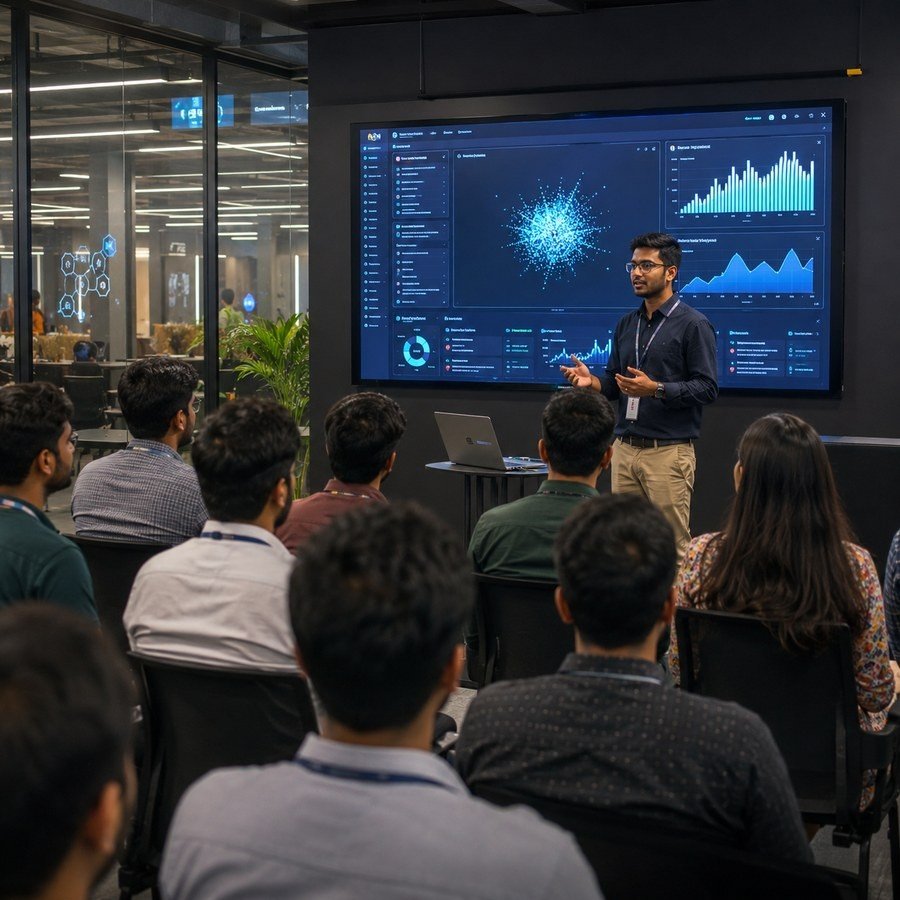

Bangladesh has a chance to take part in the global AI gold rush if it moves quickly to build skills, support startups, improve data systems, and create smart policies. Artificial intelligence is changing how people work, learn, produce, sell, diagnose, design, and manage services. For Bangladesh, the opportunity is not only about using foreign tools. It is about building local capacity so students, workers, companies, and public agencies can solve local problems with AI. The country has a large young population, a growing digital workforce, and experience in freelancing and software services. These strengths can help Bangladesh enter the AI economy if they are supported with training and investment. AI can be useful in many sectors. In agriculture, it can help farmers understand weather, pests, soil, and market prices. In healthcare, it can support records, diagnosis assistance, appointment systems, and disease tracking. In education, it can offer personalized learning and teacher support. In garments, it can improve design, production planning, quality control, and supply-chain management. In banking, it can help detect fraud and improve customer service. However, AI success requires more than excitement. People need strong basic skills in math, coding, data, language, problem-solving, and ethics. Universities and training centers should update courses so young people learn practical AI tools. Businesses need guidance on how to use AI safely and productively. Startups need funding, mentorship, cloud access, and market connections. Public agencies need clear policy on privacy, data use, cybersecurity, and responsible automation. Without rules, AI can create risks such as misinformation, bias, job disruption, and data misuse. Bangladesh should focus on human-centered AI, where technology supports people rather than replacing them without planning. Workers may need reskilling so they can use AI tools instead of being pushed aside by them. Local language content is also important. AI services should work well in Bangla and serve people outside major cities. The window of opportunity may not stay open forever because many countries are investing heavily in AI. Bangladesh needs practical action, not just discussion. It can begin with skill programmes, AI labs, public-private partnerships, startup support, and pilot projects in priority sectors. If the country acts wisely, AI can create jobs, improve services, and strengthen competitiveness. The AI gold rush rewards those who prepare early. Bangladesh can benefit if it combines talent, policy, innovation, and responsible use.