

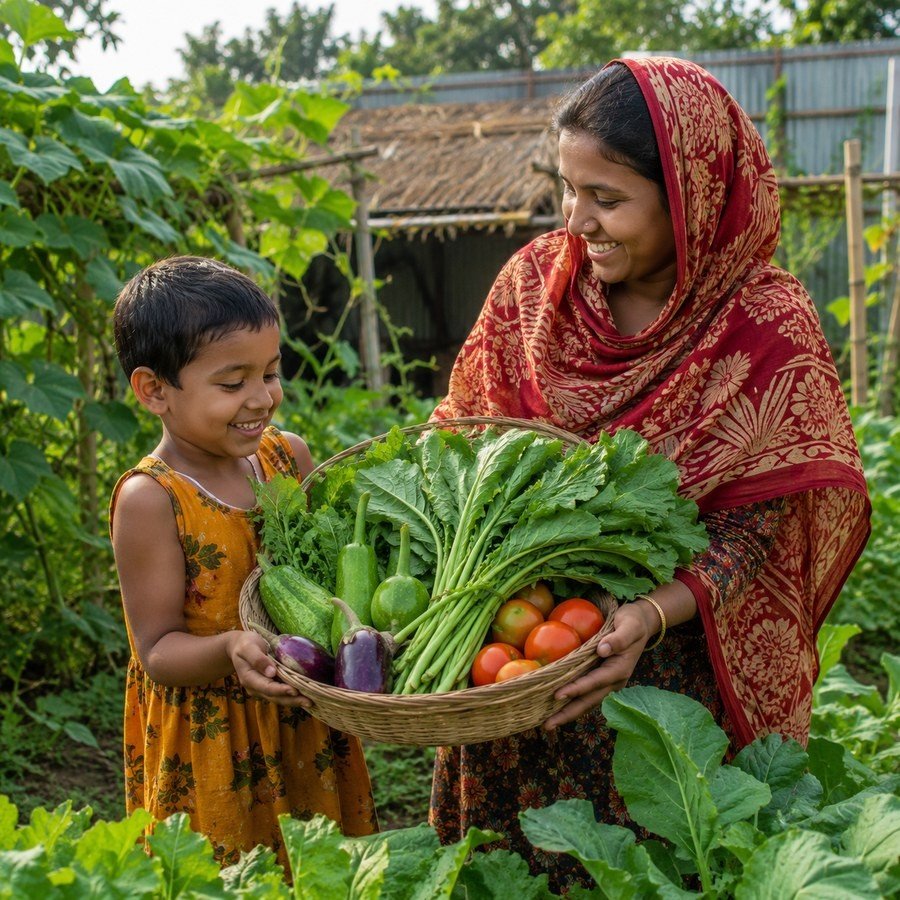

IFAD and GAIN have launched an initiative to strengthen nutrition-sensitive food systems in Bangladesh, placing healthier food, stronger farming links, and better community access at the center of development. The effort is important because food security is not only about producing enough rice, vegetables, fish, milk, or meat; it is also about making sure families can reach safe, diverse, and nutritious foods in their daily lives. In many communities, farmers work hard to produce food, yet low income, weak storage, limited market access, and poor nutrition awareness can still affect what people eat. This initiative can help connect those missing links by bringing attention to production, processing, transport, markets, and household choices. A nutrition-sensitive food system looks at the full journey of food from farm to plate. It supports farmers who grow nutritious crops, traders who handle food safely, small businesses that process food, and families who need clear information about balanced meals. For Bangladesh, this approach matters because rural families, women, children, and low-income groups often face the highest nutrition risks. When farmers receive better support, they can grow a wider range of crops and improve their earnings. When markets work better, fresh and healthy foods can reach more people at fair prices. When communities receive simple nutrition messages, families can make better use of the food available to them. The initiative can also support women, who play a major role in farming, cooking, family care, and local food decisions. If women gain better access to training, finance, storage, seeds, and market information, the benefits can spread across the whole household. Small farmers may also gain from stronger links with buyers and food businesses, especially if they can supply fruits, vegetables, pulses, dairy, fish, and other nutritious foods. The wider value of the programme is that it treats nutrition as part of economic growth, not as a separate issue. A healthier population can learn better, work better, and build stronger communities. The effort may also encourage safer food handling, less waste, better local supply chains, and more climate-aware farming. Bangladesh already has strong farming experience, active rural communities, and growing interest in food quality. With good coordination, this initiative can help turn those strengths into better diets and better incomes. Its success will depend on clear field-level work, simple communication, fair access for small producers, and steady support for local actors. If these parts work together, the initiative can help build a food system where farmers earn more, families eat better, and nutrition becomes a visible part of national progress.