

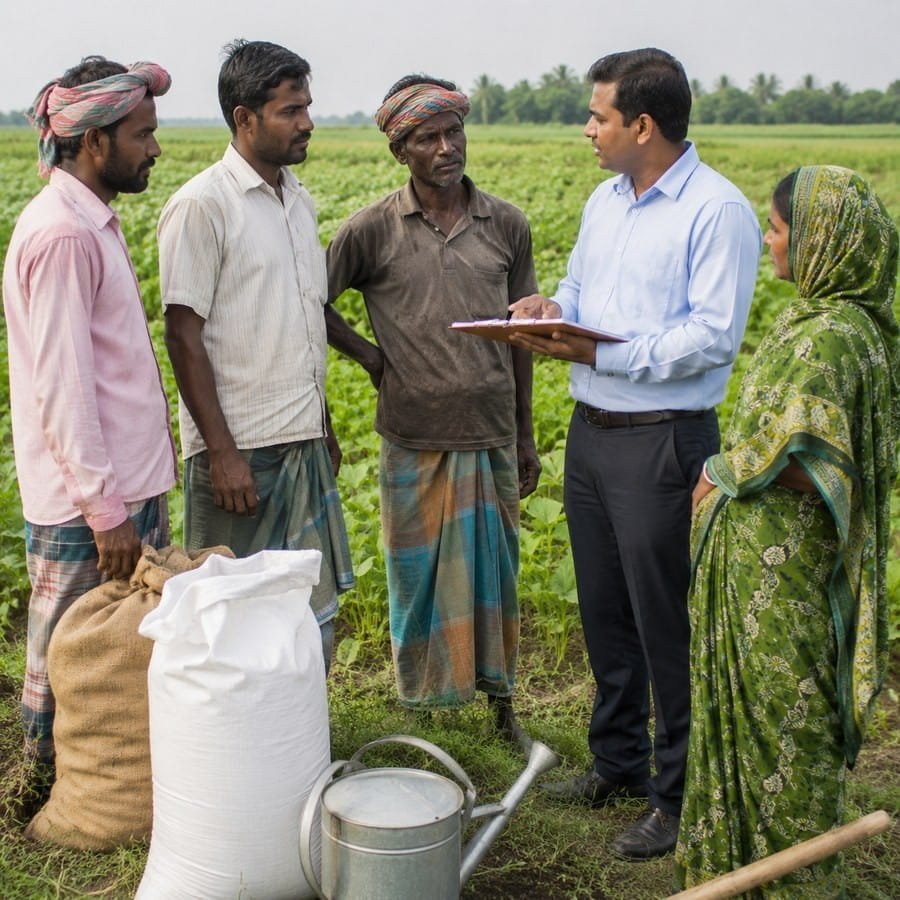

Agriculture experts have called for Tk 350 billion in support for the farming sector, highlighting the need for stronger subsidies, better planning, and wider protection for farmers facing rising costs. The proposal matters because agriculture remains one of Bangladesh’s most important sources of food, jobs, and rural income. Farmers are dealing with higher prices for fertilizer, fuel, irrigation, seeds, machinery, transport, and labour. When these costs rise faster than crop prices, small and medium farmers can lose confidence, reduce production, or avoid taking risks with better inputs. Stronger public support can help them continue farming and protect the country’s food supply. The call for higher subsidies is not only about giving money to farmers. It is also about keeping essential inputs within reach so that crop production does not become too expensive. Fertilizer support can help farmers maintain soil nutrients. Irrigation support can protect crops during dry periods. Seed support can help them use improved varieties that give better yield and resist stress. Mechanization support can reduce labour pressure, especially during planting and harvesting. These steps can make farming more stable and more attractive. Bangladesh has made strong progress in food production, but the sector still faces pressure from climate change, land loss, market gaps, and price shocks. Farmers often carry much of the risk while consumers expect steady food supply and fair prices. That is why policy support needs to balance both sides. If farmers receive timely help, they can produce more with less fear. If production stays strong, markets can remain more stable for consumers. The proposal also points to the need for better use of funds. Subsidies should reach the right people at the right time and should support long-term improvement, not just short-term relief. Clear records, digital delivery, local monitoring, and farmer-friendly services can make support more effective. More investment in research, storage, marketing, extension services, and climate-smart farming can also increase the value of every taka spent. The wider goal should be a farming system that is productive, fair, and resilient. Farmers need confidence that their hard work will bring income, not debt. Rural communities need jobs and market links. The country needs dependable food production even when weather or global markets become uncertain. A well-planned agriculture support package can help meet all these needs. It can protect farmers, support consumers, and strengthen national food security. With careful planning and honest delivery, higher agriculture funding can become a practical investment in Bangladesh’s rural economy and future stability.