

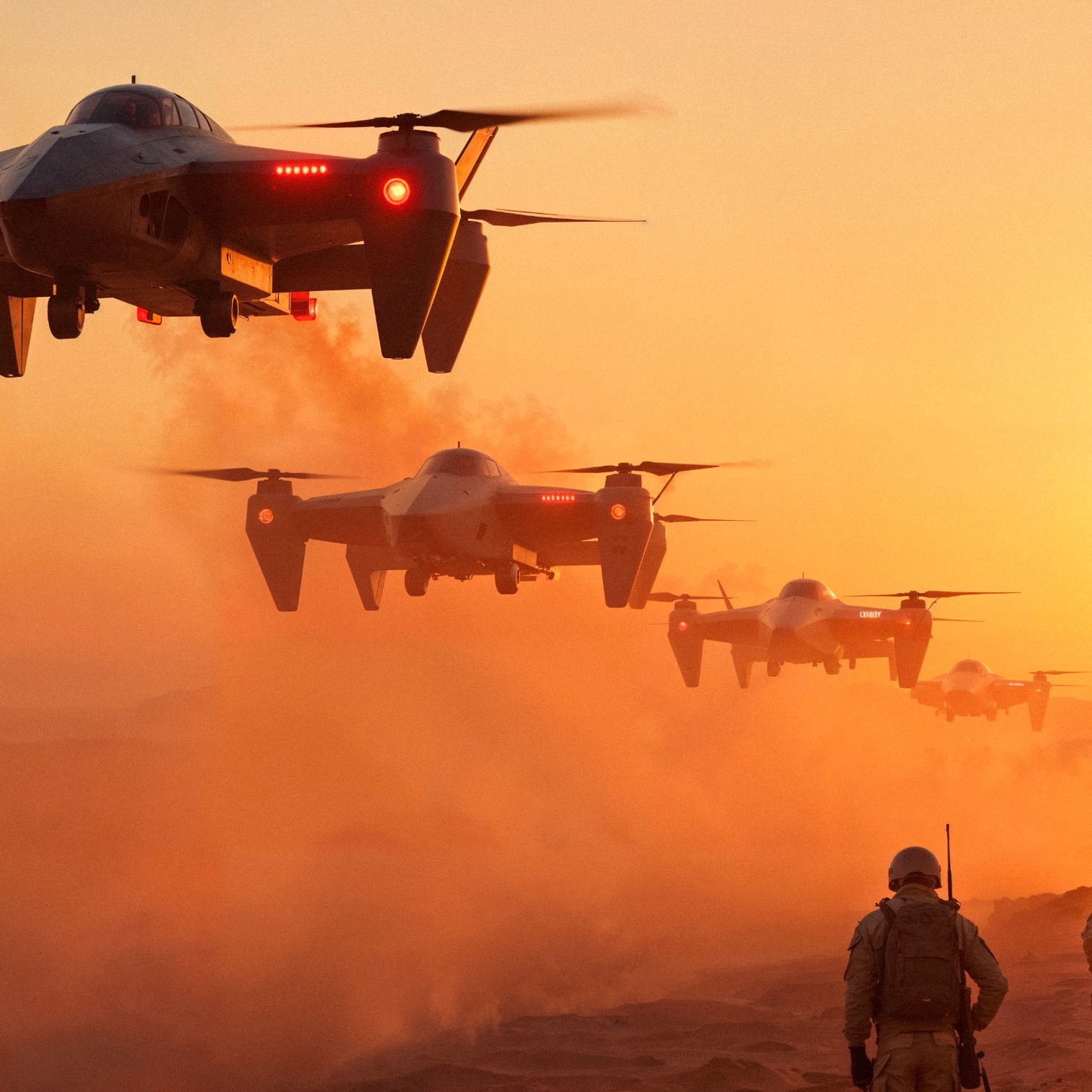

Bangladesh is preparing to buy a long-range Turkish air defense system and to work with Turkey to build combat drones, a move that could strengthen how the country protects its skies and grow its local defense industry. The plan centers on the SIPER long-range interceptor and the Hisar medium-range system, which together would help Bangladesh spot and stop aircraft and missiles well beyond its coastal areas. Authorities say this is a response to real security problems on the border with Myanmar, where fighting and cross-border incidents have raised new risks for Bangladesh. For years, stray artillery and occasional airspace breaches have worried officials, and those risks have focused attention on key places such as the port at Chittagong and the crowded refugee camps near Cox’s Bazar. The current air defense setup is a mix of older, shorter-range gear, and leaders say the new systems would plug real gaps and give the military more time and options to respond. The deal also includes a plan to co-produce Turkish drones, which would mean factories and training programs in Bangladesh rather than just imported kits. That co-production idea is meant to build local skills, shrink supply risks, and help the country keep and upgrade the systems it buys without always relying on outside help. Observers say the Turkish offer of modern systems with a technology-sharing approach is appealing because it brings strong capability without some of the political limits that can come with other suppliers. For Turkey, selling and building together with a partner like Bangladesh deepens trade and technical ties and helps its defense firms reach new markets. For Bangladesh, the package is a chance to jump-start a homegrown capability in surveillance, reconnaissance, and strike systems while creating jobs and training engineers. The pause for care comes in balancing training, maintenance, and safe operations so new machines are used responsibly and reliably. Supporters point out that co-production work would create local jobs, train engineers and technicians, and directly help Bangladesh build and maintain its own systems. Supporters say the move will raise safety and boost the local industry and skills, and resilience.