

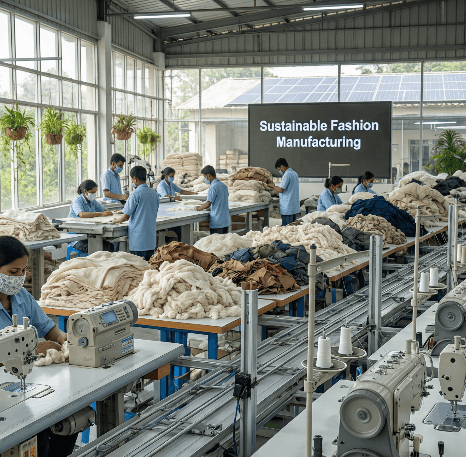

Bangladesh’s garment industry is entering a new phase as buyers and factories look beyond basic low-cost clothing and toward more advanced, higher-value production. The sector has grown from a tiny export base in the early 1980s into a $39 billion industry in 2025, but its next challenge is not growth alone; it is finding new ways to stay competitive as other countries also improve their manufacturing strength. The shift is pushing Bangladeshi makers to think more seriously about technical apparel, sustainable production, better supply chain planning, and stronger product design. That matters because global brands are no longer choosing suppliers only for the lowest price. They also want faster service, better quality, cleaner production, and more reliable delivery. Some factories in Bangladesh are already moving in that direction by investing in innovation, training, and greener energy use, which can help them serve sportswear, outdoor wear, and other performance categories that need more skill than simple mass sewing. The pressure to change is also coming from outside the country. Rising costs for key textile inputs have made life harder for garment makers across Asia, including in Bangladesh, where higher prices for polyester-related materials, chemicals, dyes, and logistics have squeezed margins.For many factories, that means the old model of competing only on cheap labor is becoming less safe than before. Industry experts say the future will belong to companies that can add value, work with better technology, and respond quickly to changing fashion and sourcing needs. That does not mean Bangladesh is losing its strength. It still holds a major place in global apparel supply chains and has a deep base of skilled workers, experienced exporters, and large-scale production systems. But the next stage of growth will likely depend on how well the sector can move from volume to value. If factories can build stronger design teams, improve energy use, expand into technical garments, and meet higher sustainability standards, they may be able to protect market share while opening new doors. The message from this shift is simple: Bangladesh’s garment industry has already proven it can scale, and now it must prove it can evolve.