

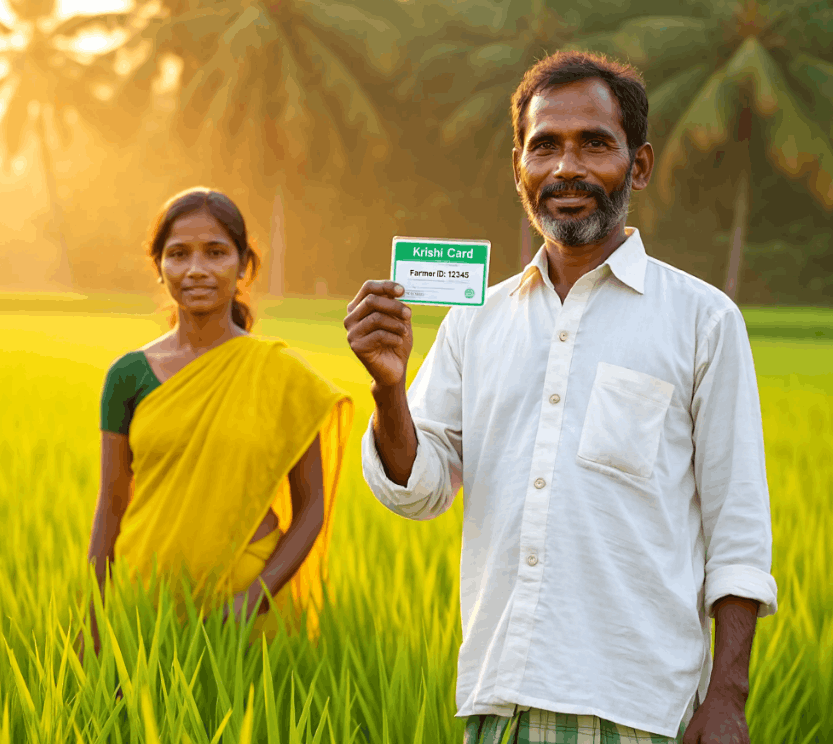

Bangladesh has set aside Tk 1,150 crore for the agriculture sector, while also preparing new support measures for farmers through cards, cash incentives, and easier access to loans. An adviser to the prime minister said marginal, small, and medium farmers will receive an annual incentive of Tk 2,000, a move aimed at easing pressure on farmers who often struggle with rising input costs and uncertain returns. The adviser also said the agriculture card will be useful for getting agricultural loans, which could help farmers manage planting costs, buy inputs on time, and reduce their dependence on informal borrowing. The information came during a press briefing at the Secretariat, where progress in several government activities was outlined. In the farm sector, the farmer card distribution programme has already begun under the Agriculture Ministry, and a pilot project will cover 21,014 farmers in eight divisions. If the pilot works well, the scheme will be expanded in the next fiscal year and rolled out in stages to include more farmers. This approach suggests the government wants to test the system carefully before making it larger, which may help improve the program’s reach and usefulness. For many farmers, a card-based system could mean easier identification, faster support, and better access to formal services. It may also help the government target aid more accurately, so benefits reach the people who need them most. The broader plan reflects a growing effort to make agriculture more organized and modern while still focusing on the needs of small growers. Bangladesh’s farm sector remains central to rural livelihoods, food supply, and local business activity, so any policy that lowers cost pressure or improves credit access can have a wide effect. The new incentive and card support may also encourage more farmers to stay active in cultivation, especially those who face the greatest risk from weather, market swings, and rising costs. Along with direct assistance, the development budget allocation shows that the government is trying to back agriculture with public funds and practical tools rather than short-term promises. If the pilot succeeds, the farmer card system could become an important part of future farm policy by linking support, credit, and identification in one place. That kind of system may help farmers plan with more confidence and give the sector a stronger base for growth. The overall message from the briefing was that the government sees agriculture as a priority and is trying to support farmers in a more direct and structured way. That could matter especially for small and medium growers, who often need the most help but have the least room to absorb losses. The new package may not solve every problem at once, but it gives farmers a clearer signal that support is being built into the system.