

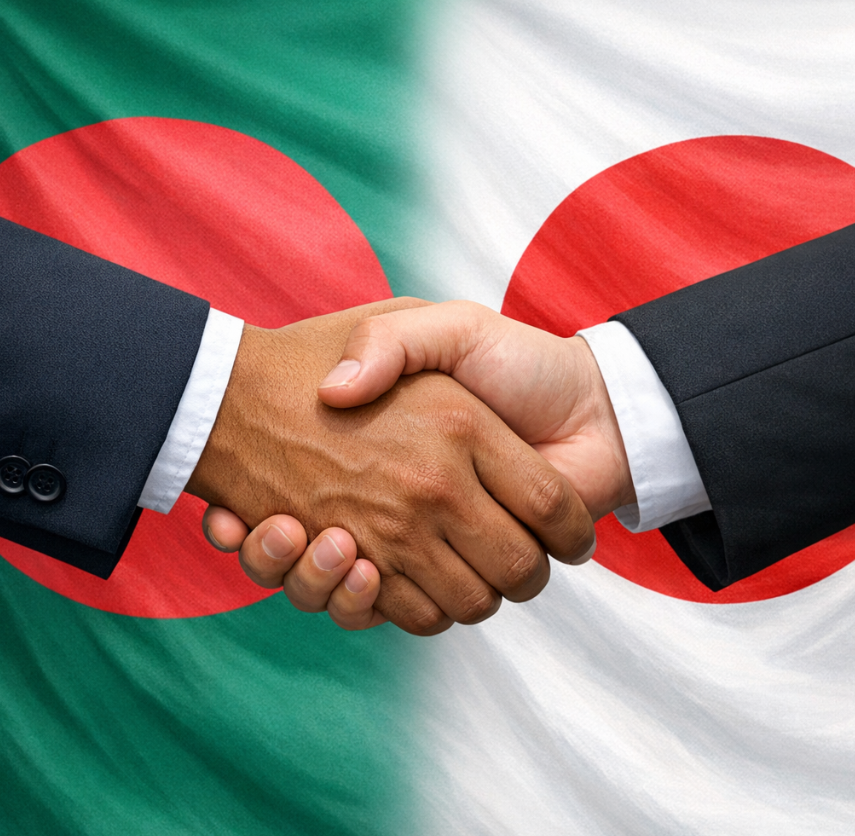

The governments of Bangladesh and Japan signed a defence equipment and technology transfer agreement at Dhaka Cantonment, a clear step to help Bangladesh modernise its forces and deepen practical cooperation. Lt Gen SM Kamrul Hasan signed on behalf of Bangladesh and Japanese Ambassador Saida Shinichi signed for Japan, marking the outcome of talks that began in 2023. The pact sets up a formal framework for transferring selected defence equipment, sharing technical knowledge and carrying out joint research and development activities. It also aims to increase exchanges of military experts and technical staff so people on both sides can learn new skills and improve maintenance routines. The agreement is described as consistent with the United Nations Charter and is framed as a peaceful, legal way to support training, safety and disaster response. For Bangladesh this deal could mean steady access to improved communications systems, navigation tools and engineering support that help daily operations and emergency work. Beyond hardware, the pact includes plans for training courses, safety checks and help with long term upkeep so equipment remains useful and reliable. By working on small joint research projects, engineers and technicians can test ideas that suit local needs and make sure new tools actually work on the ground. Regular expert exchanges give young officers and technical staff hands on practice that can be used in training exercises and when help is needed in floods or storms. The agreement also has a local angle because it may create demand for firms that supply parts, services and training, which can support workshops, workshops staff and small suppliers. Community groups and disaster planners welcome any move that improves readiness and speed of response because better equipment and training can cut response times and protect lives. Officials from both countries said the deal will be carried out in clear steps so each transfer follows rules, budgets are set, and timelines are agreed before work begins. Observers say the clear framework helps planners in ministries and in defence services budget wisely, train staff, and set realistic goals for upgrades over time. The partners plan to start with modest, practical projects that deliver visible benefits and then expand cooperation as both sides learn how to work together smoothly. This steady approach aims to avoid sudden changes while building skills slowly so new systems are used safely and kept in good order. In short, the agreement offers a practical way to bring new skills, better equipment and stronger training links to Bangladesh while keeping the focus on safety, rules and steady progress. Local training centres and technical institutes are likely to get more work and could offer new courses that teach maintenance, repair, and safe operation of the transferred systems.