

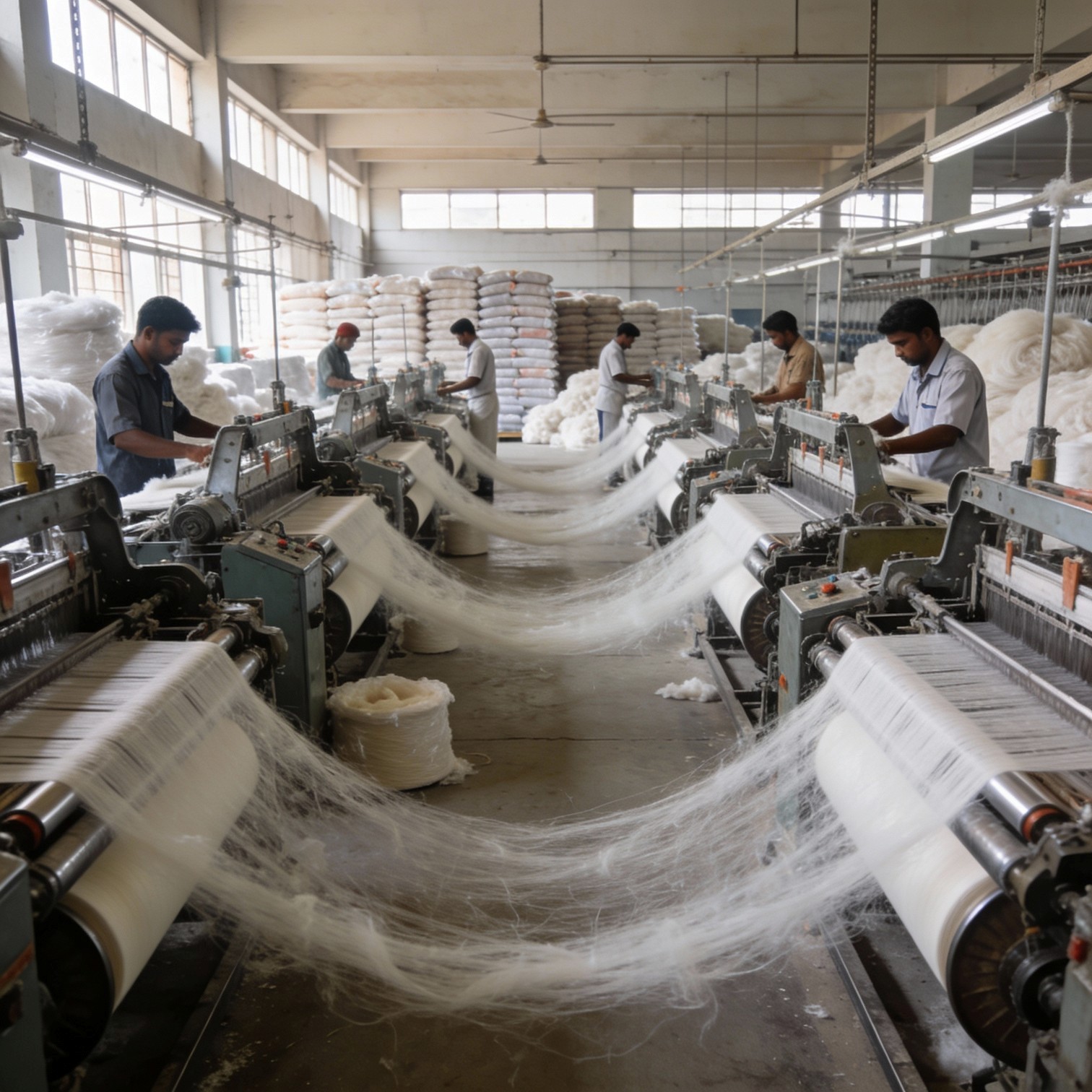

Bangladesh’s garment leaders have urged a faster shift from cotton-only lines to more non-cotton and value-added products, saying this move can help win new buyers, raise factory incomes and protect jobs. The message came as industry groups noted that global demand now favours blended, synthetic and technical fabrics and that Bangladesh can gain by making more of these items locally. Moving beyond cotton means making sportswear, activewear, home textiles and specialised technical clothing that often sell for higher prices and need new skills and testing. Speakers said the change would cut reliance on imported raw items, shorten delivery times and help factories meet strict buyer rules on durability, performance and sustainability. To make this shift work, leaders proposed clear steps that are easy to follow: invest in new fiber and fabric plants, upgrade machines, build testing labs and run practical training so workers learn how to handle blends and new processes. They urged shared facilities so small and medium makers can try new products without heavy costs and suggested clusters and pilot projects that show quick sales and real results. Trade bodies added that incentives such as fair loans, tax breaks for high-value lines and fast certification paths will encourage firms to test and scale non-cotton ranges. Sustainability must be part of the plan by using recycled fibres, safer chemicals and better waste handling so products meet buyer checks and protect factory workers and nearby communities. Industry leaders pointed to practical pilots where factories and tech teams trace materials, give clear product data and win trust with consistent samples and reports, showing buyers that Bangladesh can produce honest, high-quality non-cotton items. Design and research got special attention because new products need skilled design teams, lab technicians and managers who can keep quality steady; so education links with trade schools and short technical courses were recommended. Speakers also stressed that building local supply chains for man-made fibres and specialty inputs will keep more value inside the country, create steady factory work and reduce the cost and delays of imports. A step-by-step approach was the repeated theme: start with pilots, prove the market, then expand training and finance support so firms learn without large risks. If buyers see reliable quality and clear proof of sustainability, the hope is that Bangladesh will win longer contracts, higher prices and steadier orders that let factories invest and pay better wages. Leaders said the shift will not be quick or free of cost, but with shared tools, public support and fair rules, non-cotton products could lift exports, create new skilled jobs and make the industry more resilient to shocks. The final ask was simple: a national push that mixes private investment, targeted policy and hands-on training to turn pilots into wider change and help Bangladesh keep its place in global supply chains.