

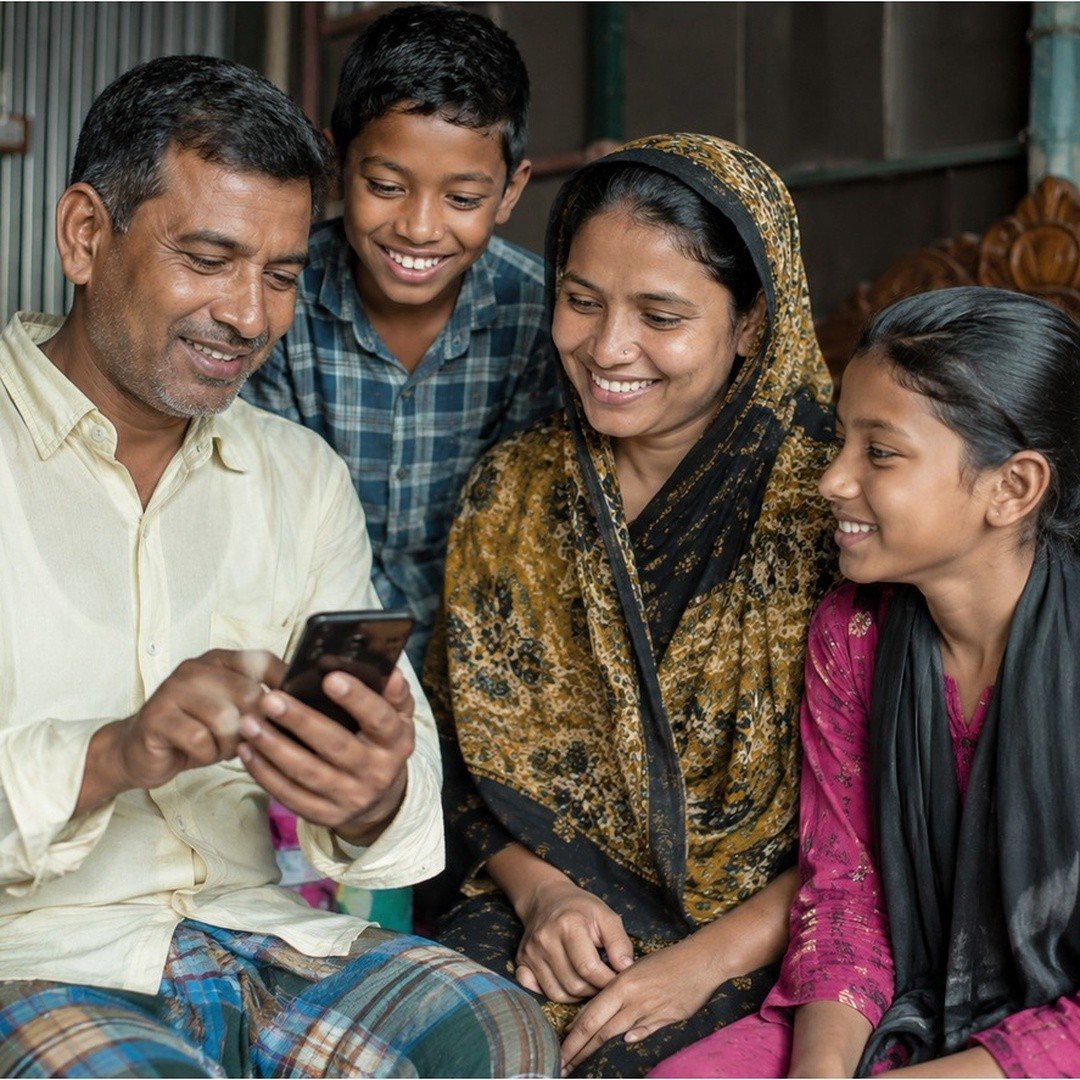

Bangladesh has recorded another strong rise in remittance inflows, with migrant workers sending home about $2.46 billion during the latest 26-day reporting period. The amount was 22.3 percent higher than the $2.01 billion received in the comparable period a year earlier. Cumulative inflows for the opening part of the current fiscal period reached about $5.31 billion, up 18.5 percent from roughly $4.49 billion previously. The increase is important because remittances support millions of families while also strengthening the country’s supply of foreign currency. Money sent by workers abroad is used for food, education, housing, healthcare, small businesses and savings. When these transfers enter through formal banking and mobile channels, they also add to the financial system and help the country pay for imports such as fuel, machinery and industrial raw materials. Strong remittance flows can therefore support both household well-being and wider economic stability. Bangladesh has a large overseas workforce spread across the Middle East, Asia, Europe and other regions. Their earnings are one of the country’s most dependable sources of external income. The latest growth suggests more workers are using official channels and that overseas employment continues to play a major role in the economy. Keeping that momentum will require more than simply sending additional workers abroad. Skills matter because trained workers can earn higher wages and send more money home. Language training, technical certification and better recruitment practices can help Bangladesh move toward higher-value overseas jobs. Lower transfer costs and convenient digital services can also encourage migrants to avoid informal channels. Banks and mobile financial services have an opportunity to offer better savings, investment and insurance products for remittance-receiving families. That can turn regular income into longer-term financial security. At the same time, protecting migrant workers from excessive recruitment fees and unfair contracts remains important because remittance growth should come with better outcomes for the people earning the money. The latest increase gives Bangladesh useful breathing room in its external accounts and reflects the contribution of citizens working abroad. If formal inflows remain strong, they can support reserves, improve confidence and reduce pressure on the foreign-exchange market. The broader goal should be to connect remittance growth with skills, safe migration and productive investment at home so that the benefits reach both individual families and the national economy. Measured carefully, these gains can support confidence without creating unrealistic expectations. Practical follow-up can turn this early step into a stronger foundation for future growth. A steady focus on quality can help this progress remain useful over the long term. The broader opportunity is to build capacity that remains useful long after the first investment. That would make the development more meaningful for both the economy and everyday users.