

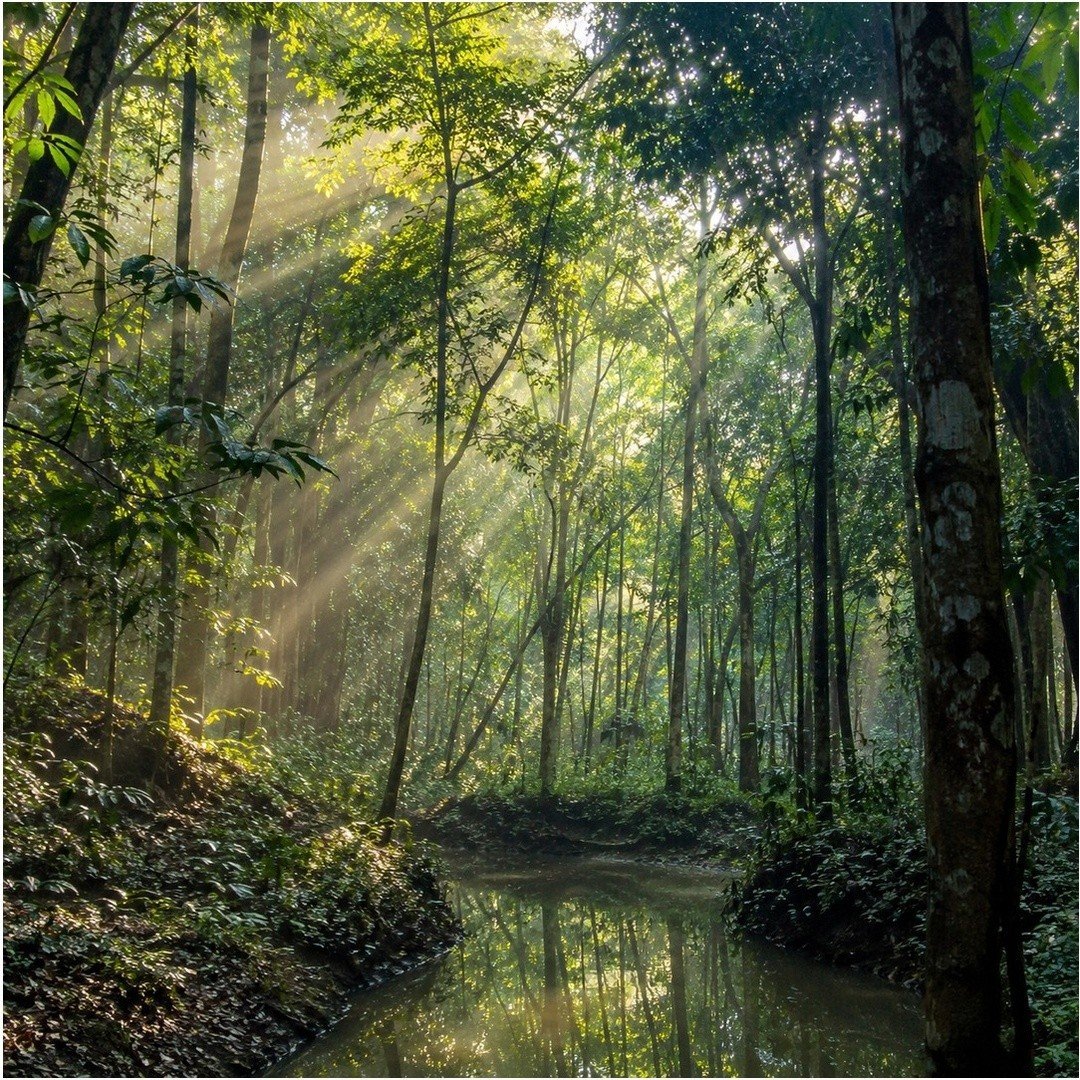

A community-led mangrove restoration effort is expanding along an erosion-prone stretch of Bangladesh’s coast near the Sundarbans, using local knowledge and small-scale planting to strengthen natural protection against storms and rising water. The initial work covers about 11 kilometres of coastal chars, where shifting soil and strong tides make tree survival difficult. Instead of treating restoration as a simple tree-planting exercise, the project involves local residents in choosing sites, planting seedlings and caring for young mangroves. That approach matters because people living beside the coast understand which areas flood, where sediment collects and which species have the best chance of surviving. Mangroves are especially valuable in Bangladesh because their roots slow waves, trap soil and create a living barrier between open water and settlements. They also provide habitat for fish, crabs, birds and other wildlife. Healthy mangrove areas can support breeding grounds for fish that later contribute to local catches, linking environmental protection with livelihoods. The trees also store carbon in their wood and soil, giving them a role in climate action. Bangladesh already has the Sundarbans, the world’s largest mangrove forest, but coastal protection cannot depend on that ecosystem alone. Smaller mangrove belts around vulnerable chars and villages can provide additional layers of defence. Restoration is difficult because new land may erode again before trees mature. Projects therefore need careful site selection, suitable species and ongoing monitoring rather than one-time planting campaigns. Community participation can improve survival rates because residents have a direct reason to protect the trees. Local organisations are also able to respond faster when seedlings are damaged by livestock, boats or changing water channels. The project offers opportunities for researchers and forestry experts to learn which restoration methods work best under different coastal conditions. That evidence can guide larger programmes in other districts. Nature-based protection will not replace embankments and disaster shelters, but it can work alongside them at relatively low cost while bringing ecological benefits. For coastal Bangladesh, every successful mangrove belt can reduce erosion, support wildlife and provide communities with a stronger natural buffer. If the current restoration model proves effective, expanding similar community-managed sites could help the country protect more vulnerable coastline while creating local stewardship around one of its most valuable types of forest. Measured carefully, these gains can support confidence without creating unrealistic expectations. Maintaining public trust will be just as important as expanding capacity. That is how a promising announcement can become practical economic progress. Responsible growth can protect quality while opening room for new ideas and investment. A steady focus on quality can help this progress remain useful over the long term. The broader opportunity is to build capacity that remains useful long after the first investment.