

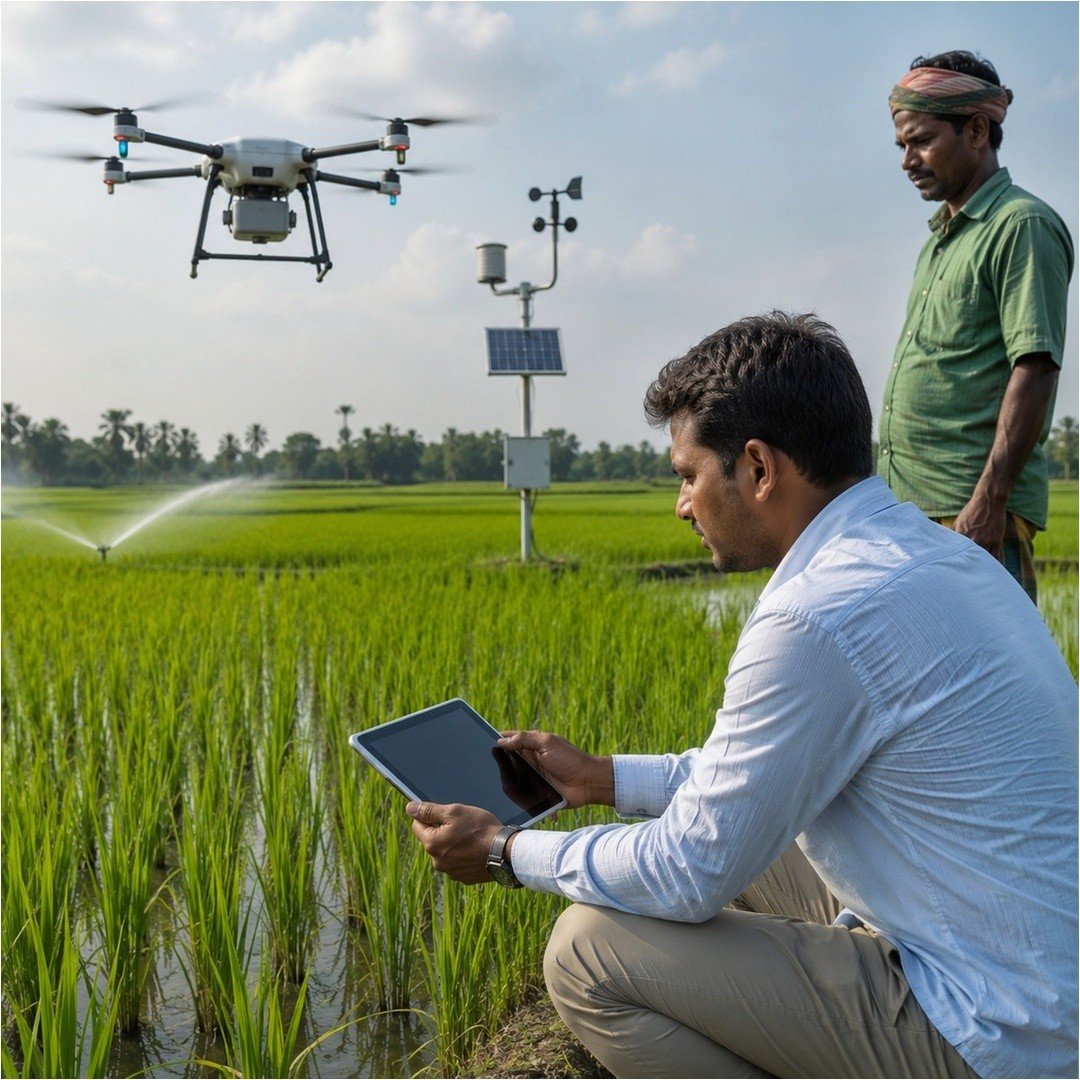

Bangladesh is seeking stronger technical cooperation with the United States to modernise agriculture, fisheries and livestock while improving food safety and farm productivity. Areas of interest include soybean cultivation, livestock nutrition, disease prevention, safer pesticide use and certified organic production. The approach reflects a wider effort to help farmers produce more value from limited land while meeting higher standards for domestic and export markets. Soybean is one promising crop because Bangladesh imports large quantities of edible oil and animal-feed ingredients. Expanding suitable cultivation on chars and island areas could add local supply without replacing all existing crops. Better seed, soil management and research would be needed to determine where production is commercially practical. Livestock is another important area. Farmers can raise healthier animals and improve milk or meat output when they have better feed, disease control and veterinary support. Technical cooperation can help local researchers and companies test methods suited to Bangladesh rather than relying only on imported products. Safer pesticide use is equally important. Farmers need effective crop protection, but overuse or incorrect application can create risks for health, soil and water. Training, quality control and modern pest-management techniques can protect crops while reducing unnecessary chemical use. Bangladesh has also discussed developing certified organic farms with the long-term goal of selling products into premium markets. International organic certification is demanding because farms must document how crops are grown and handled. Building that system could improve traceability across other agricultural exports as well. US businesses have expressed interest in investment, technology and commercial cooperation, creating the possibility of partnerships beyond government technical assistance. Companies can bring equipment, seed technology, storage systems and food-processing knowledge, while Bangladeshi businesses provide local market understanding and production networks. The best results will come when new technology remains affordable for small farmers, who produce much of the country’s food. Demonstration farms, extension services and access to finance can help farmers adopt useful tools gradually. Bangladesh’s agricultural sector has already achieved major gains in food production. The next stage is about productivity, safety, processing and market value. Stronger cooperation with US researchers and companies can support that transition if projects focus on practical local needs. By combining science with farmer experience, Bangladesh can build a more modern agricultural system that produces safer food, reduces import pressure and creates new export opportunities. Measured carefully, these gains can support confidence without creating unrealistic expectations. Maintaining public trust will be just as important as expanding capacity. That is how a promising announcement can become practical economic progress. The broader opportunity is to build capacity that remains useful long after the first investment. A steady focus on quality can help this progress remain useful over the long term.