

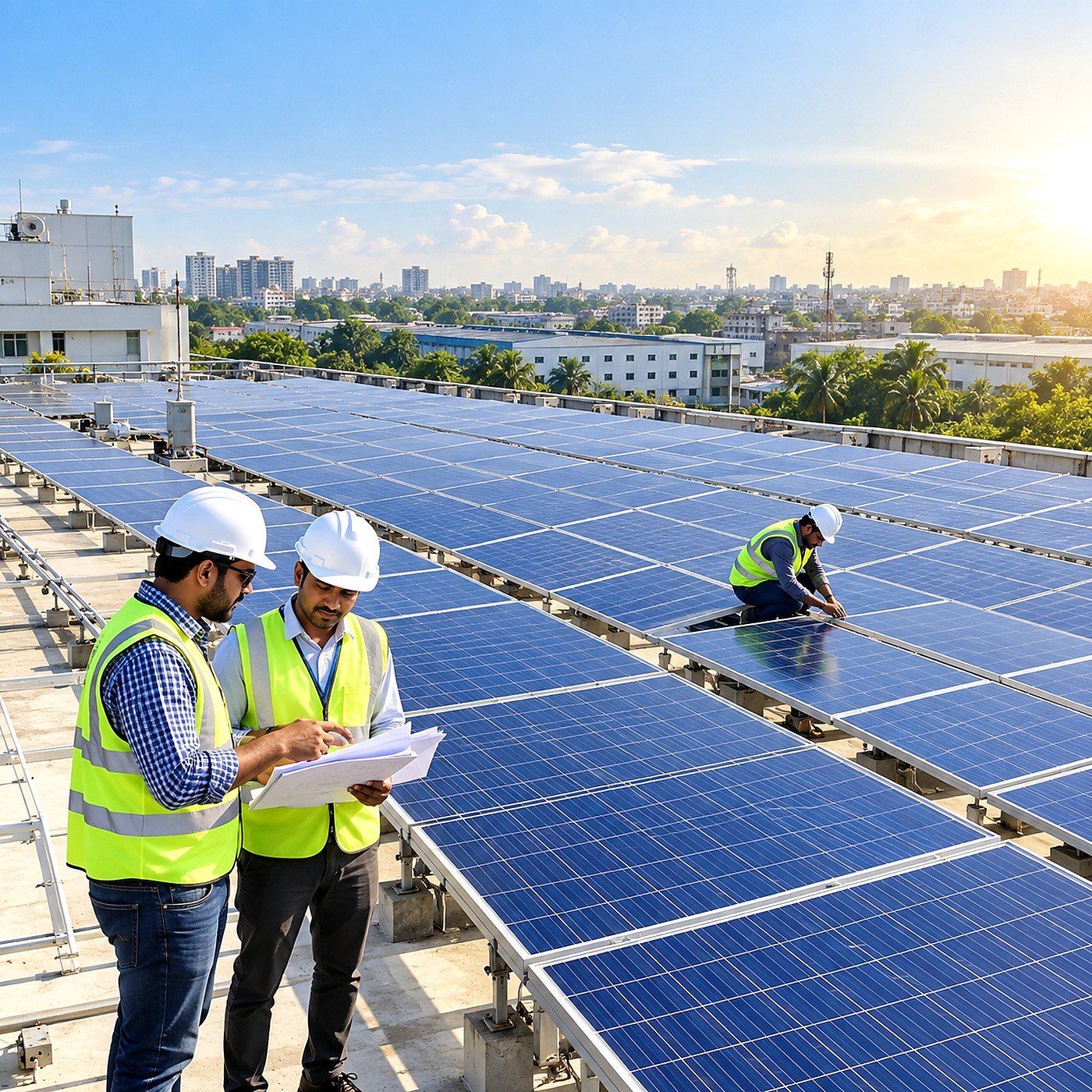

Bangladesh has set a target of generating 10,000 megawatts of solar power over the next five years, signalling a major push to expand renewable energy across rooftops, public institutions and other available spaces. The target was highlighted during the inauguration of a one-megawatt rooftop solar plant at Bangladesh Cable Shilpa Limited in Khulna. The plant is already meeting most of the factory’s electricity demand and sending surplus power to the national grid. Officials said the project is saving around Tk1.5 million per month and that its investment cost of about Tk5 crore could be recovered within three to four years. That example is important because it shows how renewable energy can produce direct financial benefits alongside environmental gains. The government has also set a purchase rate of Tk10.50 per unit for surplus electricity supplied to the grid, giving institutions and businesses a clearer incentive to install systems that generate more than they consume. Low-interest financing is also being considered to help more users adopt solar power, while tax and duty benefits are available for imported solar equipment. Bangladesh has limited land available for large power projects, so rooftop solar can be especially useful. Factories, offices, schools, telecom facilities and public buildings can generate electricity without requiring separate large sites. The government has also identified land for larger solar projects and is exploring wind power, creating a more diverse renewable-energy pipeline. Expanding solar generation can help Bangladesh reduce dependence on imported fuels, lower exposure to global energy-price swings and improve long-term energy security. It can also create new demand for engineers, installers, electricians, maintenance teams and local suppliers. The main challenge will be implementation at scale. Solar systems need quality equipment, reliable grid connections, proper maintenance and clear rules for payments when surplus power is sold. Financing must also be accessible enough for businesses and households that cannot afford high upfront costs. The one-megawatt BCSL project provides a practical model of how rooftop solar can serve a user’s own demand while contributing extra electricity to the grid. If similar projects are replicated widely and the five-year target is pursued with strong technical standards, solar power can become a much larger part of Bangladesh’s energy mix and support cleaner, more secure economic growth.