

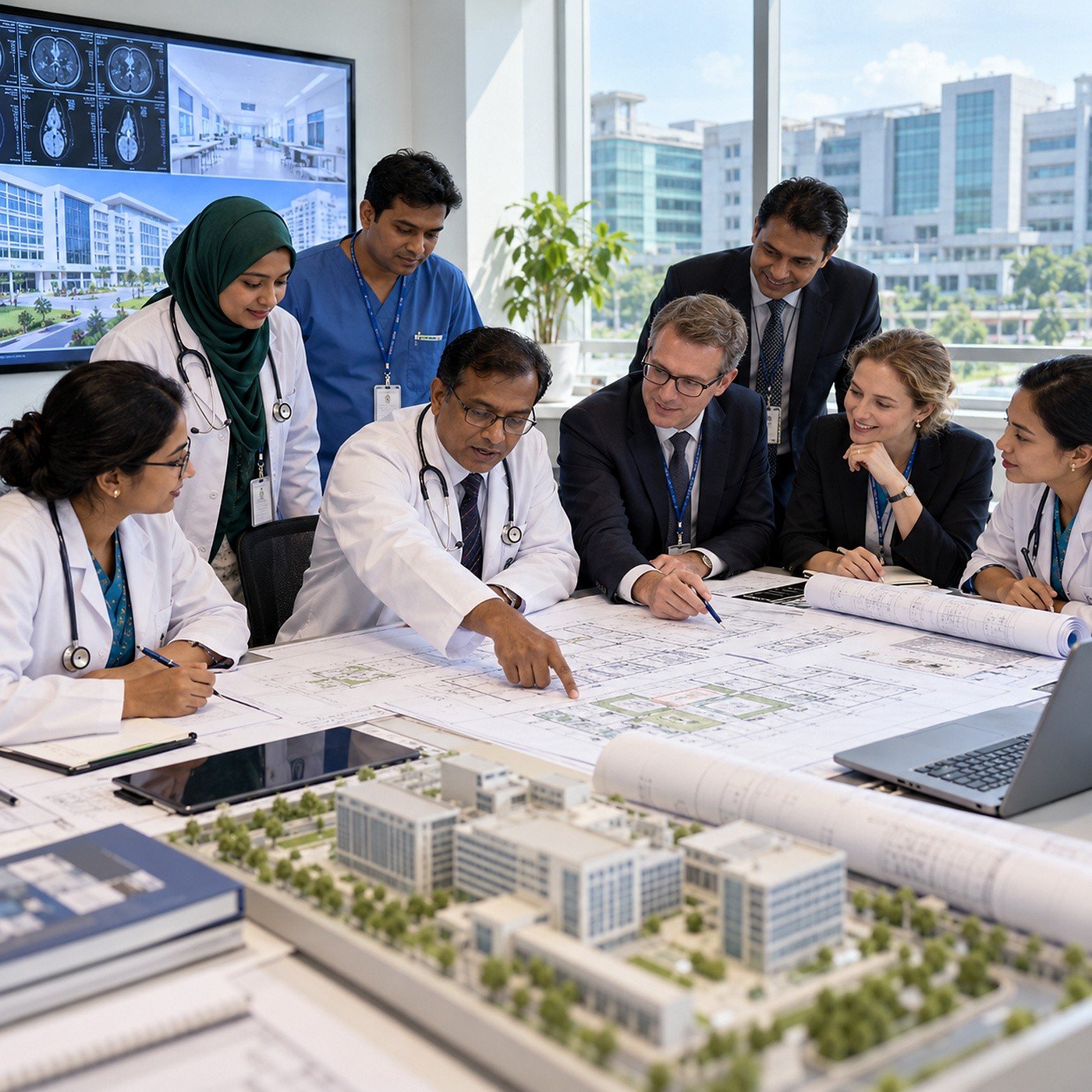

Bangladesh is seeking Chinese investment, technical assistance and training to support plans for 20 large hospitals in different regions of the country, creating an opportunity to expand modern healthcare infrastructure outside the main urban centres. The proposal was discussed with senior officials in Hainan Province, where Bangladesh also highlighted primary healthcare as a national priority. Building larger regional hospitals can help reduce pressure on major facilities in Dhaka by allowing more patients to receive specialised care closer to home. The plan is still at a development stage, and Bangladesh has asked for cooperation in areas that go beyond construction. Technical assistance and training are important because a modern hospital needs skilled doctors, nurses, technicians, managers and maintenance teams as much as it needs buildings and equipment. Discussions also covered scholarships for Bangladeshi medical students, exchanges and training for doctors, the prevention of tropical diseases and cooperation in Traditional Chinese Medicine. Bangladesh also invited Hainan-based companies to consider manufacturing essential medical supplies locally, including gloves, masks and blood bags. Local production of these items could improve supply security while creating new manufacturing opportunities connected with the health sector. Stronger cooperation can also support Bangladesh’s efforts to manage both communicable and non-communicable diseases. As the population grows and ages, regional hospitals will need capacity for diagnostics, surgery, maternal care, emergency treatment and chronic-disease management. The location and design of the proposed hospitals will therefore be important. New facilities should be connected with district and primary-care systems so patients can move through a clear referral network rather than travelling directly to large hospitals for every problem. Digital records, modern diagnostics and trained support staff can further improve efficiency. International investment can help accelerate development, but long-term success will depend on sustainable operating budgets, maintenance and the ability to retain skilled health workers outside the capital. Bangladesh’s request for Chinese partnership creates a chance to combine financing, technology, training and local manufacturing in one broader health cooperation programme. If the hospital plan advances with careful regional planning and strong quality standards, it could expand access to advanced care, strengthen the health workforce and create a more balanced national healthcare system in which patients receive better services closer to where they live.