

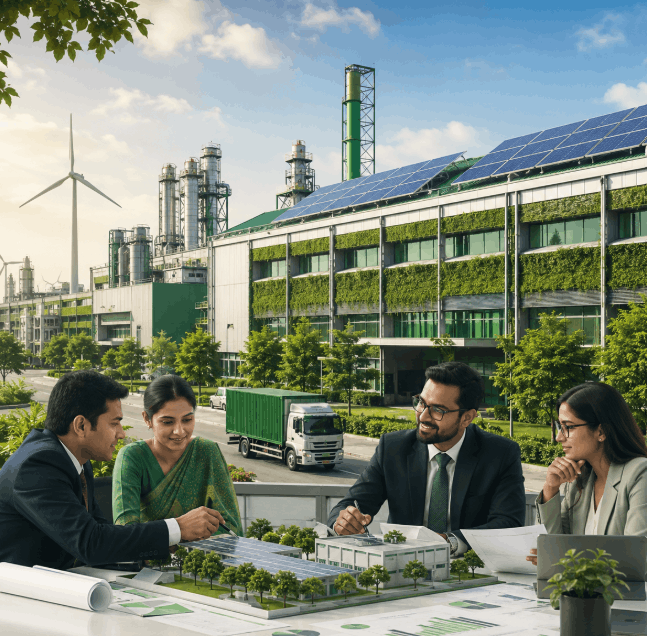

Bangladesh Bank has introduced a Tk 1,000 crore refinance scheme to support green industries and environmentally sustainable factory buildings, creating a practical path for businesses to invest in cleaner and safer industrial infrastructure. The fund is meant to help industries build or upgrade facilities that use resources more wisely, reduce environmental harm, and follow stronger safety and sustainability standards. This is important for Bangladesh because modern factories are no longer judged only by how much they produce. Buyers, workers, investors, and communities also care about energy use, waste management, workplace safety, and environmental responsibility. Under the scheme, participating financial institutions can receive refinance support from Bangladesh Bank at a 2 percent interest or profit rate, while the maximum lending rate for customers has been capped at 5 percent. This low-cost structure can make green investment more realistic for businesses that want to improve but are concerned about high financing costs. The refinance tenure can range from three to ten years, with a grace period of up to one year. This longer repayment window is useful because green buildings, energy-efficient systems, and environmental improvements often require large upfront spending but provide benefits over time. The scheme is open to conventional banks, Islamic banks, and financial institutions, which can help widen access across the financial system. Borrowers must meet clear eligibility rules, including a proper debt-equity ratio and clean credit standing. The maximum refinance limit for an individual borrower has been fixed at Tk 100 crore. For green factory buildings, recognized certifications such as LEED, EDGE, BEEER, and GreenARCH will be accepted in the absence of a national certification framework. This can help businesses follow known standards while Bangladesh continues to build its own green construction capacity. The scheme also requires projects to follow rules from relevant authorities, including environment, fire safety, renewable energy, health, and boiler inspection bodies. These conditions can improve both environmental performance and worker safety. Regular reporting, digital application through E-Refinance Software, and possible inspections are included to reduce misuse. The move supports a broader shift toward sustainable industry. Cleaner factories can reduce pollution, save energy, attract responsible buyers, and improve Bangladesh’s image in global markets. For workers, better buildings can mean safer workplaces. For businesses, green investment can become a long-term advantage instead of only a compliance cost. If used properly, this fund can help Bangladesh grow industrially while protecting the environment and improving factory standards.