

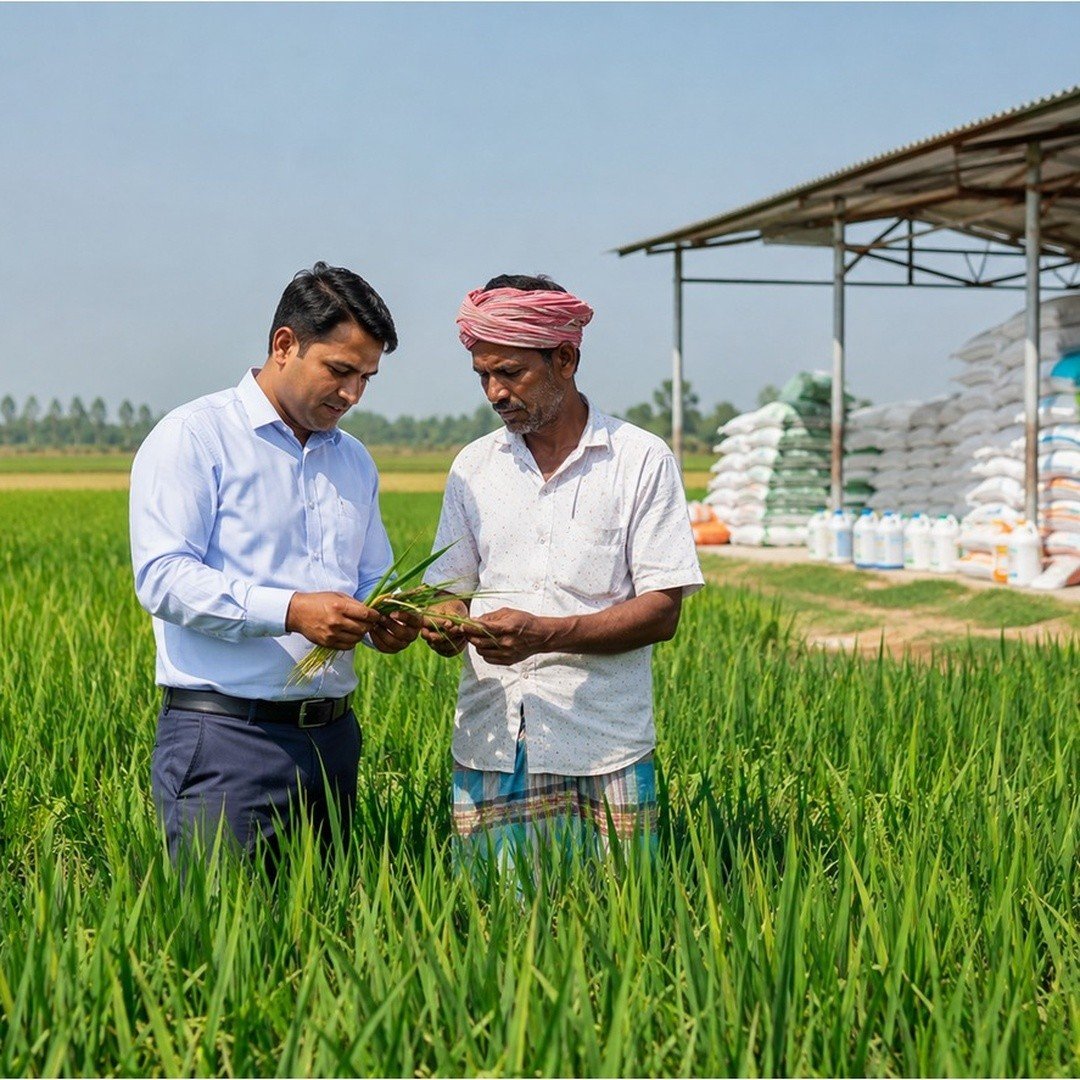

Bangladesh is opening the door to wider sourcing of agrochemical raw materials, a change that could make the farm-input market more competitive and encourage new investment. The updated import policy removes the old requirement that some raw materials had to come from a single country or single source. Local producers can now look for qualified suppliers in different markets, compare prices and quality, and build more flexible supply chains. This matters because pesticides and other crop-protection products play an important role in keeping yields stable when farmers face insects, plant disease and other threats. Bangladesh’s pesticide market is estimated at around Tk15,000 crore, yet finished-product importers and multinational companies still hold most of the market. Local manufacturing remains much smaller, even though more domestic companies are showing interest in producing formulations and raw materials at home. The new sourcing rules come alongside lower import duties on many raw materials. Most have moved to zero duty, while a smaller group still carries duties of up to 15 percent. Industry participants believe the combination can reduce production costs and make local factories more attractive to investors. Some companies are already planning larger facilities in economic zones, with an eye not only on the domestic market but also on exports to other parts of Asia, Europe and Africa. A stronger local manufacturing base could create skilled jobs in chemistry, quality control, packaging, logistics and sales. It could also give farmers more choices if companies compete on product quality, price and service. The opportunity, however, depends on strong safety rules. Agrochemicals need careful testing, correct labeling and responsible use so that gains in production do not come at the cost of soil, water or public health. Better training for farmers and dealers will remain important as the market grows. For Bangladesh, the policy shift is a practical example of how a change in sourcing rules can support industry without losing sight of agriculture. If businesses invest in modern plants, follow quality standards and develop safer products, the country can keep more value inside its own economy. Over time, stronger domestic capacity may also reduce dependence on finished imports and help Bangladesh build a more competitive agricultural input industry connected to regional and global markets. Measured carefully, these gains can support confidence without creating unrealistic expectations. Maintaining public trust will be just as important as expanding capacity. Progress will be most valuable when businesses, workers and communities benefit together. The broader opportunity is to build capacity that remains useful long after the first investment. A steady focus on quality can help this progress remain useful over the long term. Practical follow-up can turn this early step into a stronger foundation for future growth.