

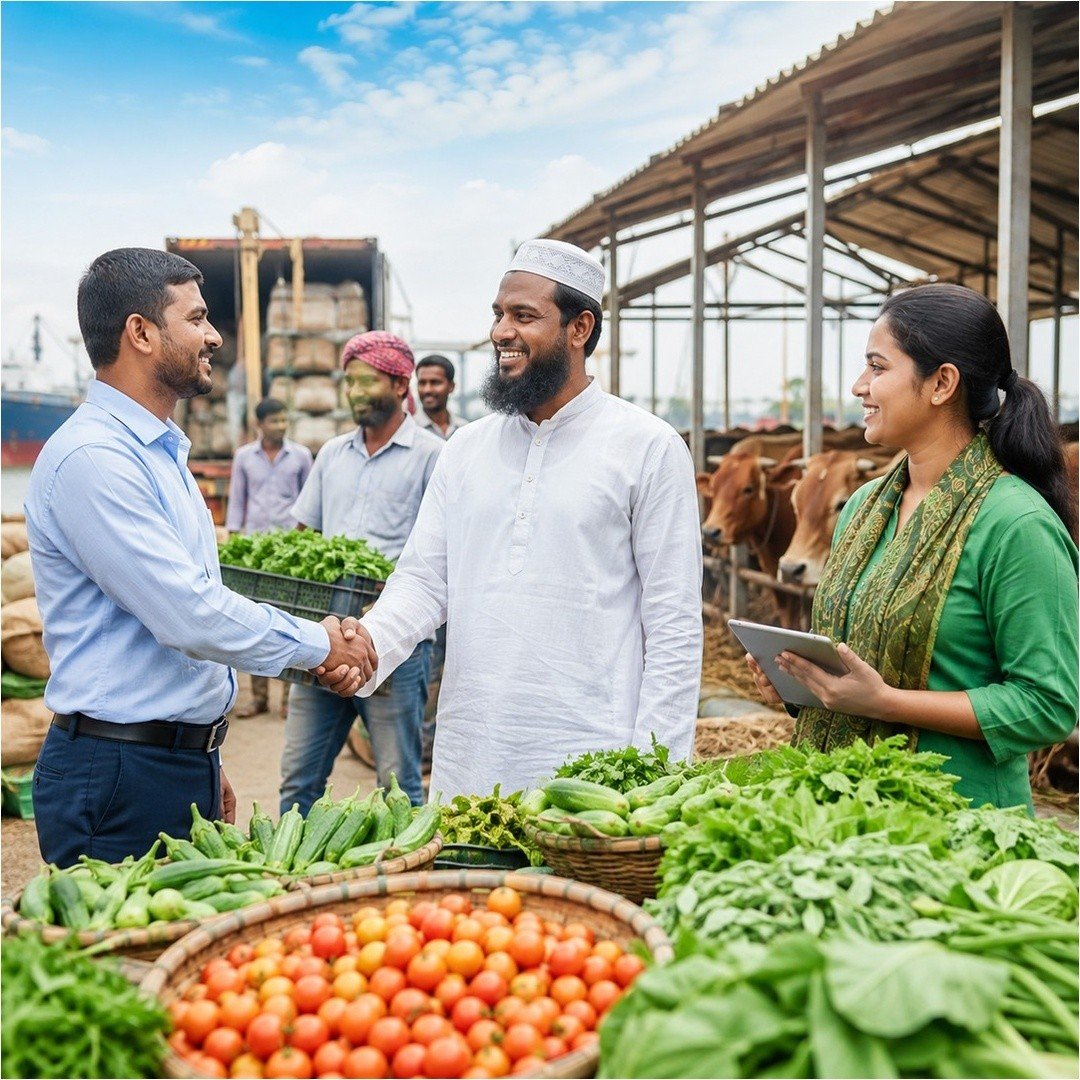

Bangladesh and Malaysia are moving to deepen cooperation in agriculture, fisheries, livestock and halal food, creating opportunities for technology exchange, joint ventures and new export markets. Bangladesh has highlighted the potential of products such as fish, meat, milk and the Black Bengal goat, while Malaysia has shown interest in stronger commercial and technical collaboration. Halal food is a particularly promising area because Malaysia has a well-developed certification system and strong consumer demand. Bangladesh already produces large amounts of fish, poultry, livestock and agricultural goods, but access to premium overseas markets depends on consistent safety, processing and certification. Cooperation can help producers understand those requirements and build supply chains that meet them. The Black Bengal goat is one example of a local breed with strong qualities, including good meat and skin. Developing breeding, health management and certified processing could create a specialised export opportunity if animal welfare and disease controls are maintained. Fisheries also offer room for joint work because Bangladesh is one of the world’s major fish-producing countries. Better cold chains and processing can help products travel farther while keeping quality. Malaysia can also share knowledge in farm technology, research and commercial management. Bangladesh, in return, offers a large agricultural market, competitive production and opportunities for investors in food processing, feed, storage and logistics. Joint ventures can help introduce equipment and methods that improve productivity without forcing small farmers to take on excessive costs. Training is important because technology works best when farmers, technicians and processors know how to use it. Universities and research institutes in both countries could support that process through shared studies and exchange programmes. Stronger agricultural trade also fits Bangladesh’s goal of diversifying exports beyond manufacturing. Food products can create more value in rural areas by linking farmers to processing, packaging and overseas buyers. The main challenge will be maintaining quality from farm to final shipment. Export markets require traceability, veterinary checks, hygiene and dependable cold storage. Meeting those standards can also improve food safety for domestic consumers. Bangladesh and Malaysia already have close people-to-people and economic links. Expanding cooperation into agriculture and halal trade can make that relationship more productive. If discussions lead to practical investment, research and certification partnerships, farmers and food businesses in Bangladesh could gain new technology, better market access and additional opportunities to sell higher-value products abroad. Measured carefully, these gains can support confidence without creating unrealistic expectations. Maintaining public trust will be just as important as expanding capacity. That is how a promising announcement can become practical economic progress. Careful monitoring can keep the benefits visible and identify problems before they become costly. A steady focus on quality can help this progress remain useful over the long term.