

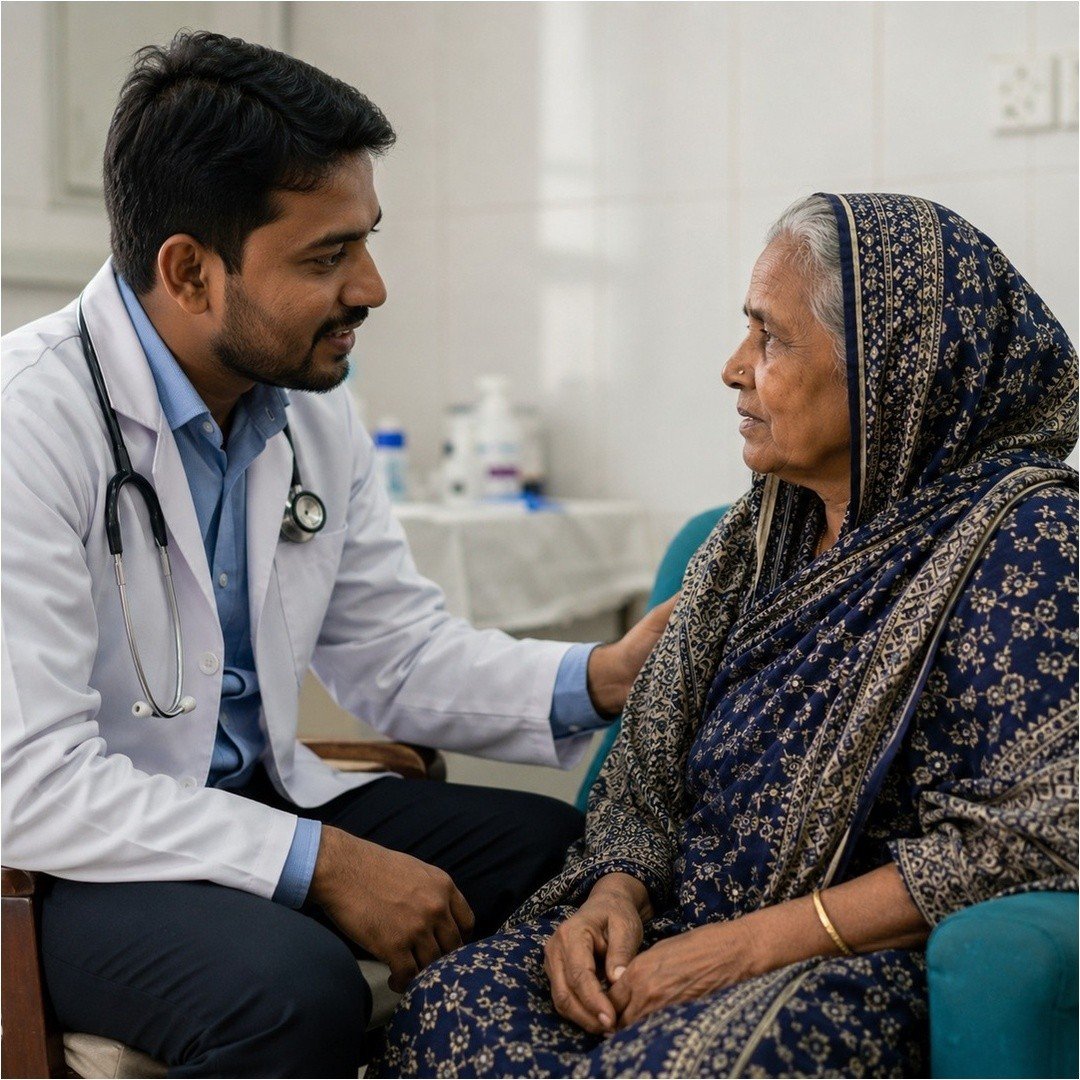

Bangladesh is moving to strengthen healthcare at the local level with plans to recruit around 9,500 new personnel and expand services such as dialysis outside the largest cities. The workforce plan includes about 2,500 nurses and 2,500 pharmacists, while recruitment formalities are also moving forward for thousands of doctors. More trained staff can make a direct difference in public hospitals, where shortages often increase waiting times and place pressure on existing teams. The expansion of dialysis is another important part of the effort. Plans call for 50 dialysis beds at every medical college hospital and 10 beds at district hospitals, allowing more kidney patients to receive treatment closer to home. A larger network of machines could serve many patients each day when hospitals operate several shifts. There is also a longer-term goal of placing dialysis beds at upazila-level facilities so patients do not have to travel long distances several times a week. For people with chronic kidney disease, travel can be almost as difficult as the treatment itself because dialysis is needed regularly. Bringing services nearer to communities can reduce transport costs and time away from work or family. Upazila hospitals are also expected to receive stronger diagnostic capacity, including better ultrasound and pathology services. Plans for larger facilities would create more dedicated space for maternity and children’s care. Healthcare improvement depends on more than buildings and machines. Nurses, pharmacists, technicians and doctors need to be available together, and equipment must be maintained so it remains usable. Reliable medicine supply, infection control and patient records are also essential. Adding pharmacists to the workforce is particularly useful because safe medicine use requires trained professionals who can manage storage, dosing and interactions. Bangladesh has made progress in community health over many years, but rising rates of non-communicable diseases are creating new pressure on hospitals. Diabetes, kidney disease and heart conditions require long-term treatment, not only emergency care. Expanding services at district and upazila levels can help the system respond to that change. The recruitment and dialysis plans are therefore important steps toward a more balanced health network. If staff are posted where they are most needed and facilities receive dependable support, more patients can receive quality care without travelling to Dhaka. That would make the public health system more accessible, reduce pressure on major hospitals and bring specialised treatment closer to families across Bangladesh. Maintaining public trust will be just as important as expanding capacity. Responsible growth can protect quality while opening room for new ideas and investment. A steady focus on quality can help this progress remain useful over the long term. The broader opportunity is to build capacity that remains useful long after the first investment.