

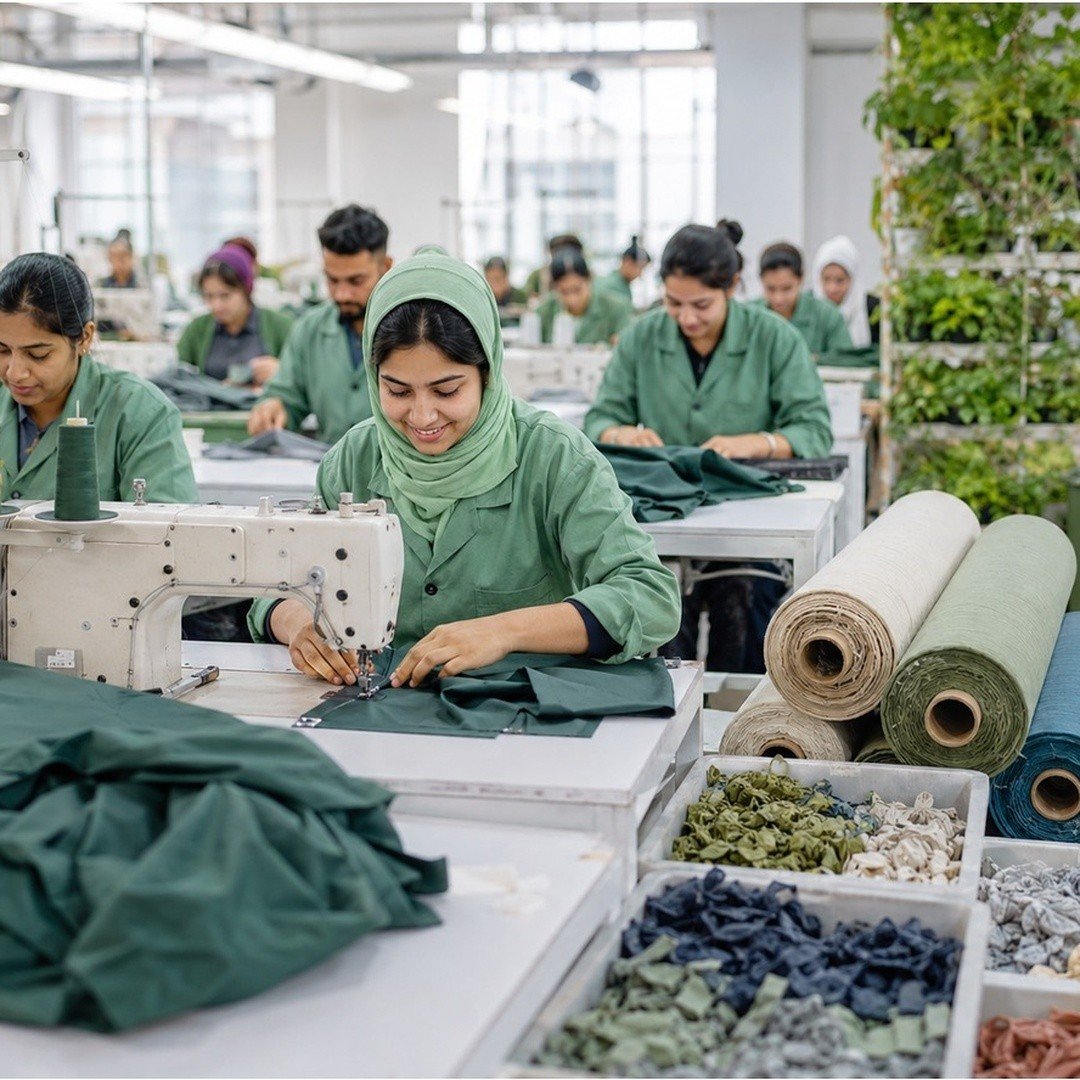

Bangladesh and the Netherlands are strengthening cooperation to make the country’s textile and garment industry more circular, resource-efficient and environmentally responsible. The new partnership focuses on reducing waste, expanding recycling and improving the way factories use water, energy and raw materials. For Bangladesh, which has built one of the world’s largest apparel industries, the move creates a path to protect export strength while meeting growing demand for cleaner production. Circular manufacturing aims to keep materials in use for longer instead of sending valuable fabric, yarn and other waste to landfills. In a garment factory, that can mean collecting cutting scraps, sorting fibres, recycling textile waste into new material and designing production systems that use fewer resources. The cooperation is also expected to support the exchange of technology, practical knowledge and new ideas between Bangladeshi and Dutch partners. That can help factories test cleaner processes and make investment decisions based on proven solutions. Sustainability is becoming increasingly important in major export markets, where buyers want clearer information about how clothes are made and what happens to waste. A stronger circular system can therefore support both environmental goals and business competitiveness. Bangladesh already has a large manufacturing base, a deep network of suppliers and millions of workers connected to the apparel economy. Adding stronger recycling and resource management can create new business areas around collection, sorting, fibre recovery, machinery, testing and green services. It can also open more skilled jobs for engineers, designers and technicians who understand sustainable production. The partnership is designed to involve government, industry, researchers and other stakeholders rather than relying on factories alone. That wider approach is important because textile recycling needs standards, reliable waste flows, investment and buyers willing to use recycled materials. Small and medium suppliers may also need support to adopt new systems without facing heavy costs. The positive opportunity for Bangladesh is clear: the country can use its scale in garments to become a stronger player in circular textiles as well. By reducing waste and turning more discarded material into useful inputs, manufacturers can improve efficiency while lowering pressure on natural resources. If the cooperation leads to practical projects, stronger skills and more green investment, Bangladesh’s apparel sector can move beyond simply producing more clothes. It can build a cleaner production model that protects jobs, strengthens exports and adds value through innovation. Measured carefully, these gains can support confidence without creating unrealistic expectations. Maintaining public trust will be just as important as expanding capacity. That is how a promising announcement can become practical economic progress. Progress will be most valuable when businesses, workers and communities benefit together. Practical follow-up can turn this early step into a stronger foundation for future growth.