

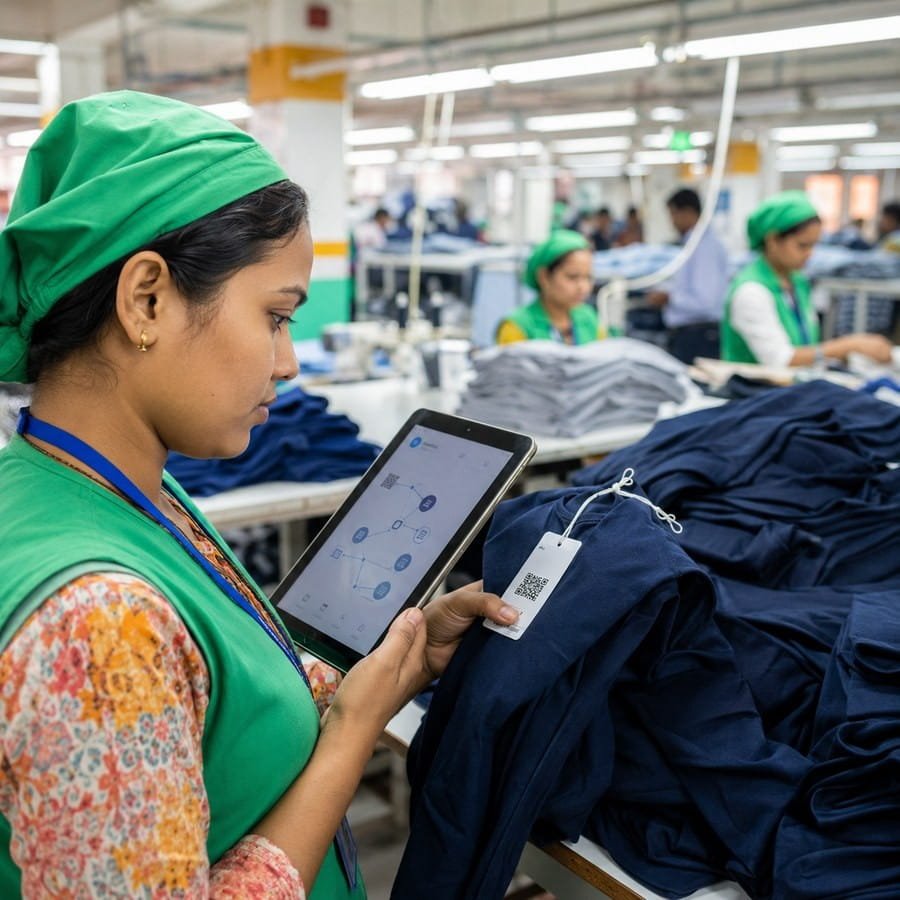

Digital Product Passport technology is gaining attention in Bangladesh’s garment sector as exporters look for better ways to show product history, sustainability data, and supply-chain transparency to global buyers. This step is important because international apparel markets are changing fast, and buyers now want more information about how a product is made. They want to know where materials come from, what processes are used, whether factories follow rules, and how products affect the environment. A Digital Product Passport can help collect and share this information in a more organized way. Instead of depending only on paper records or scattered files, factories and brands can use digital systems to track important details across the supply chain. For Bangladesh, this can become a useful tool because the country is one of the world’s major garment exporters. If local factories can provide trusted digital information, they may become stronger partners for buyers who must meet new rules on sustainability and traceability. The technology can also help factories improve their own management. When product data is organized, companies can better understand material use, waste, production flow, certification needs, and buyer requirements. This can reduce confusion and help teams respond faster during audits or order checks. Workers, managers, merchandisers, suppliers, and compliance teams may all need training to use such systems properly. The main challenge will be making the technology practical for both large and small factories. Big companies may have more resources to invest in digital tools, but smaller suppliers also need support so they are not left behind. Industry groups, buyers, technology firms, and policymakers can help by offering guidance, affordable systems, and clear standards. Data protection will also matter. Factories need to share useful information without exposing sensitive business details unfairly. If handled well, Digital Product Passport technology can support cleaner production, stronger buyer confidence, and better market access. It can also help Bangladesh move from being seen mainly as a low-cost producer to being known as a modern, transparent, and responsible sourcing destination. The garment sector’s future will depend on quality, speed, trust, and proof. Digital systems can support all four. By preparing early, Bangladesh can protect its export strength and build a smarter apparel industry ready for the next stage of global trade.