

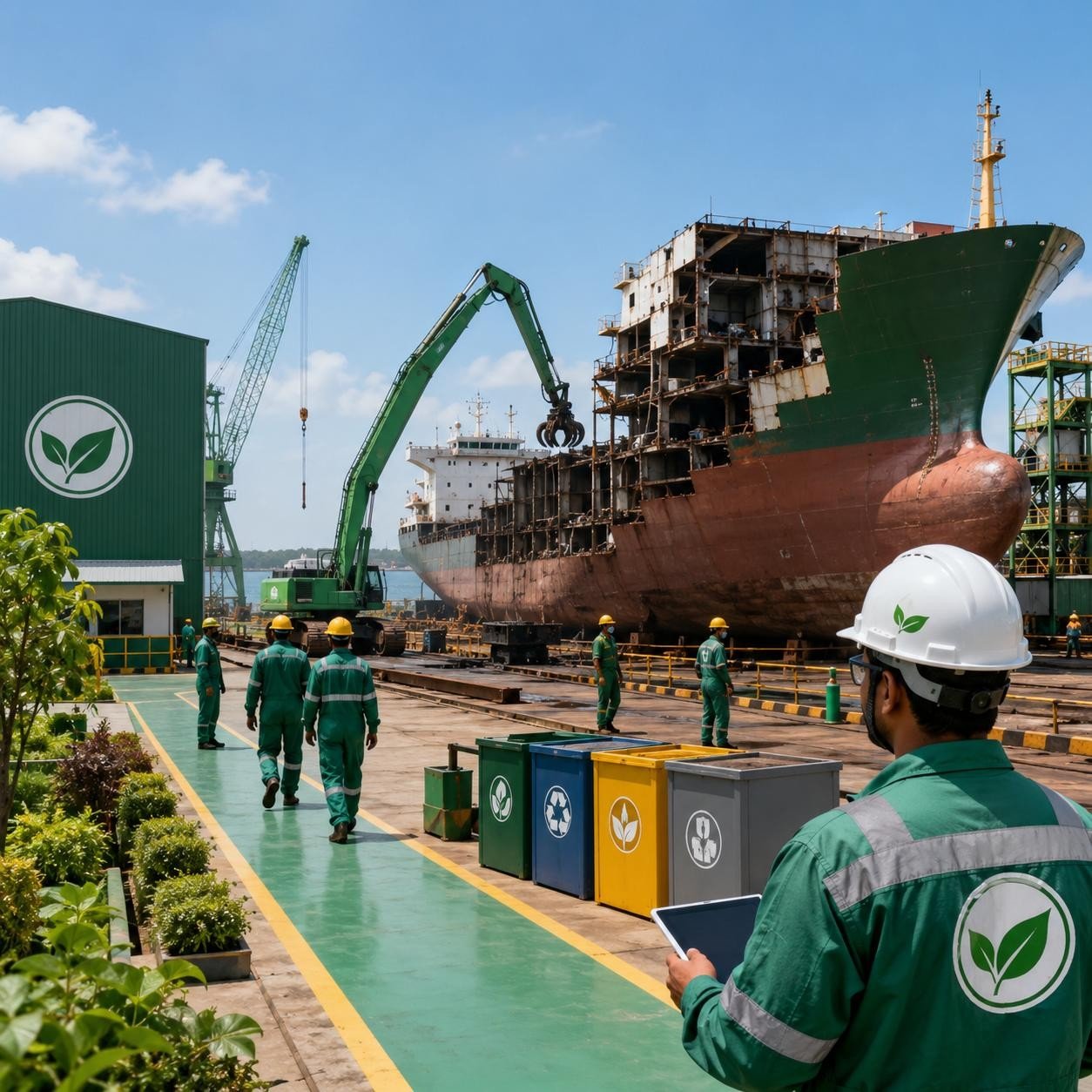

Thirty-one ship recycling yards in Bangladesh have secured green licences, marking important progress toward safer, cleaner, and more responsible industrial operations. Authorities have said that green licensing will become necessary for every business that wants to continue working in the sector. Yards that have not yet qualified will need to meet the required standards, while technical and policy support will be provided to help them improve. This approach gives businesses a clear direction and encourages them to invest in better facilities instead of treating safety and environmental care as optional. Ship recycling plays a valuable role in Bangladesh by recovering steel, machinery, and other materials from vessels that have reached the end of their working lives. Reused steel supports construction and manufacturing, and the industry creates jobs in yards, transport, engineering, trading, and related services. Yet ship recycling can also create serious risks when oil, chemicals, asbestos, heavy metals, and other hazardous materials are not handled correctly. Workers need proper training, protective clothing, safe cutting methods, emergency equipment, and medical support. Green licensing is meant to confirm that a yard has suitable systems for these responsibilities. It can include stronger waste controls, safer work areas, planned storage, pollution prevention, and records that allow inspectors to track performance. The 31 licensed yards show that change is possible when owners, workers, regulators, and technical experts cooperate. Their progress can provide practical examples for other facilities. Yard managers can learn how to organise work zones, improve drainage, control fire risks, manage hazardous waste, and prepare emergency plans. Training should reach permanent workers, temporary workers, supervisors, contractors, and nearby service providers. Regular inspections are also needed because a licence should reflect continuing performance, not only conditions on one day. Transparent rules and equal enforcement will help responsible businesses compete fairly. International ship owners and buyers increasingly look for recycling facilities that follow recognised safety and environmental standards. More green yards could therefore improve Bangladesh’s reputation and attract better business. The change may also create new jobs for safety officers, environmental specialists, engineers, trainers, laboratory workers, and waste-management companies. Challenges such as energy supply and the cost of upgrading facilities still need attention. Affordable finance, technical guidance, and shared treatment services could help smaller yards improve. The move toward mandatory green licensing offers a practical path for rebuilding the sector around responsibility and skill. By protecting workers, reducing pollution, and recovering materials carefully, Bangladesh can strengthen an established industry while meeting higher international expectations and supporting a more circular economy. Community engagement will matter because families near recycling areas are affected by air, water, noise, and transport conditions. Clear complaint channels and information can help inspectors respond quickly and keep green standards meaningful for everyone.