

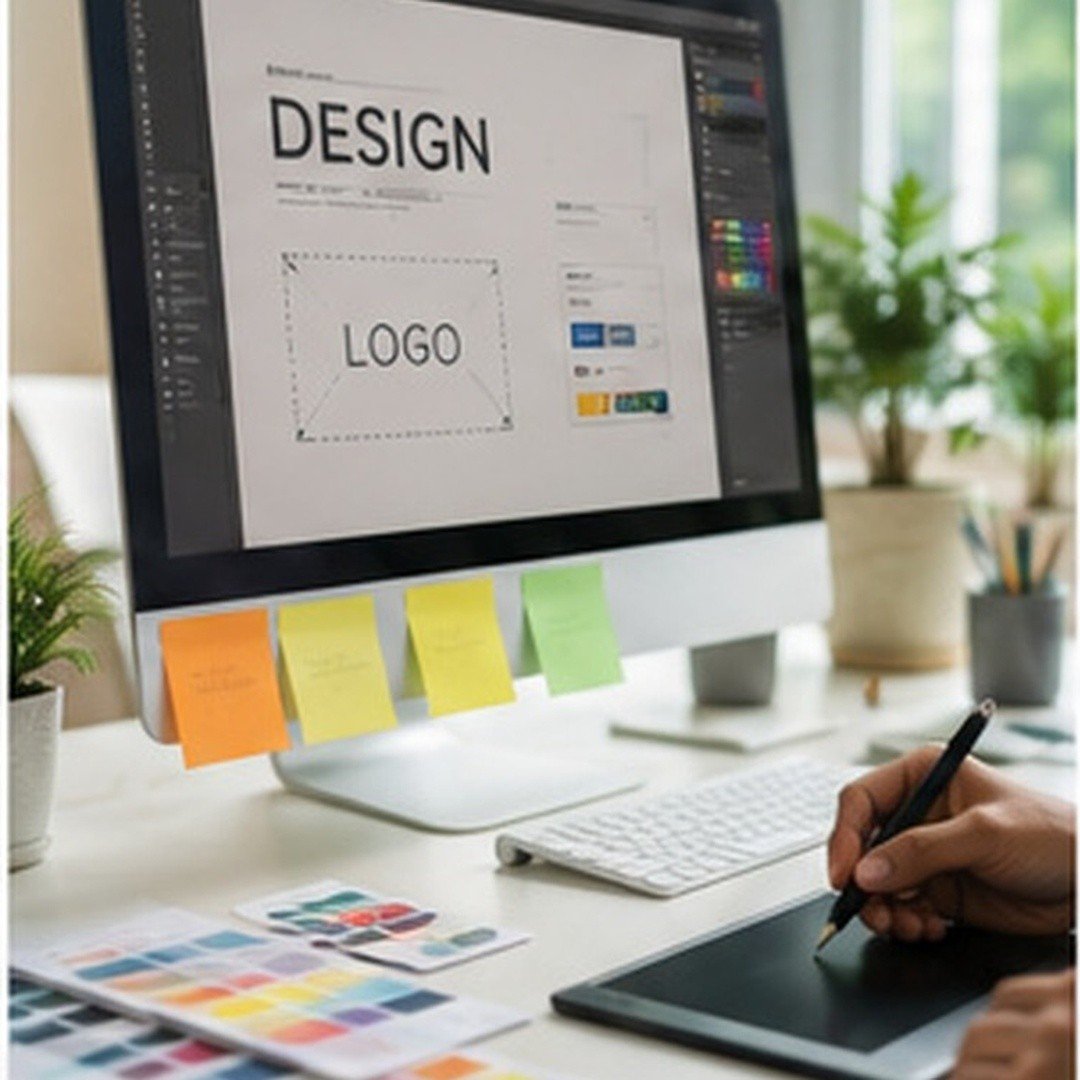

Bangladesh has formed a national steering committee to guide the development of its creative economy, giving sectors such as design, fashion, crafts, media, architecture and cultural production a clearer place in economic planning. The 27-member body brings together government agencies, business organisations, academic voices and creative-industry representatives. Its role includes approving sector roadmaps, improving coordination between institutions and reviewing progress on a regular basis. Creative work is sometimes treated only as culture, but it also creates jobs, exports and intellectual property. A designer can add value to garments, furniture, packaging or digital products. Film, animation, music and advertising support large networks of technical workers. Crafts and fashion can turn local materials and traditions into products for international consumers. By using the idea of a creative economy, Bangladesh can look at these activities as connected industries rather than separate small fields. The committee includes representatives from finance, planning, industry, commerce, housing, education and other areas because creative businesses often need support across several systems. A design studio may need easier company registration, while a craft producer may need export support. A film company needs trained workers and modern equipment, and an architect needs clear construction rules. Coordination can make these services easier to access. The presence of private and cultural organisations is also valuable because creative industries change quickly and policy needs practical feedback from people doing the work. Bangladesh already has strong creative talent in fashion, architecture, graphic design, music and digital content. The challenge is turning more of that talent into sustainable businesses that can protect their work, reach customers and earn fair income. Better intellectual-property awareness, business training and access to finance can help. Creative hubs, exhibitions and international partnerships can also give young professionals more opportunities to show their work. A national roadmap should avoid trying to control creativity from the top. Its best role is to remove barriers, improve skills and create spaces where ideas can become products or services. If the steering committee focuses on those practical needs, Bangladesh can strengthen industries that require more imagination than heavy machinery. That could diversify exports, create jobs for young people and help the country build a stronger identity in global markets through products and experiences that carry Bangladeshi design, culture and innovation. Measured carefully, these gains can support confidence without creating unrealistic expectations. Maintaining public trust will be just as important as expanding capacity. That is how a promising announcement can become practical economic progress. Progress will be most valuable when businesses, workers and communities benefit together. A steady focus on quality can help this progress remain useful over the long term. The broader opportunity is to build capacity that remains useful long after the first investment.