

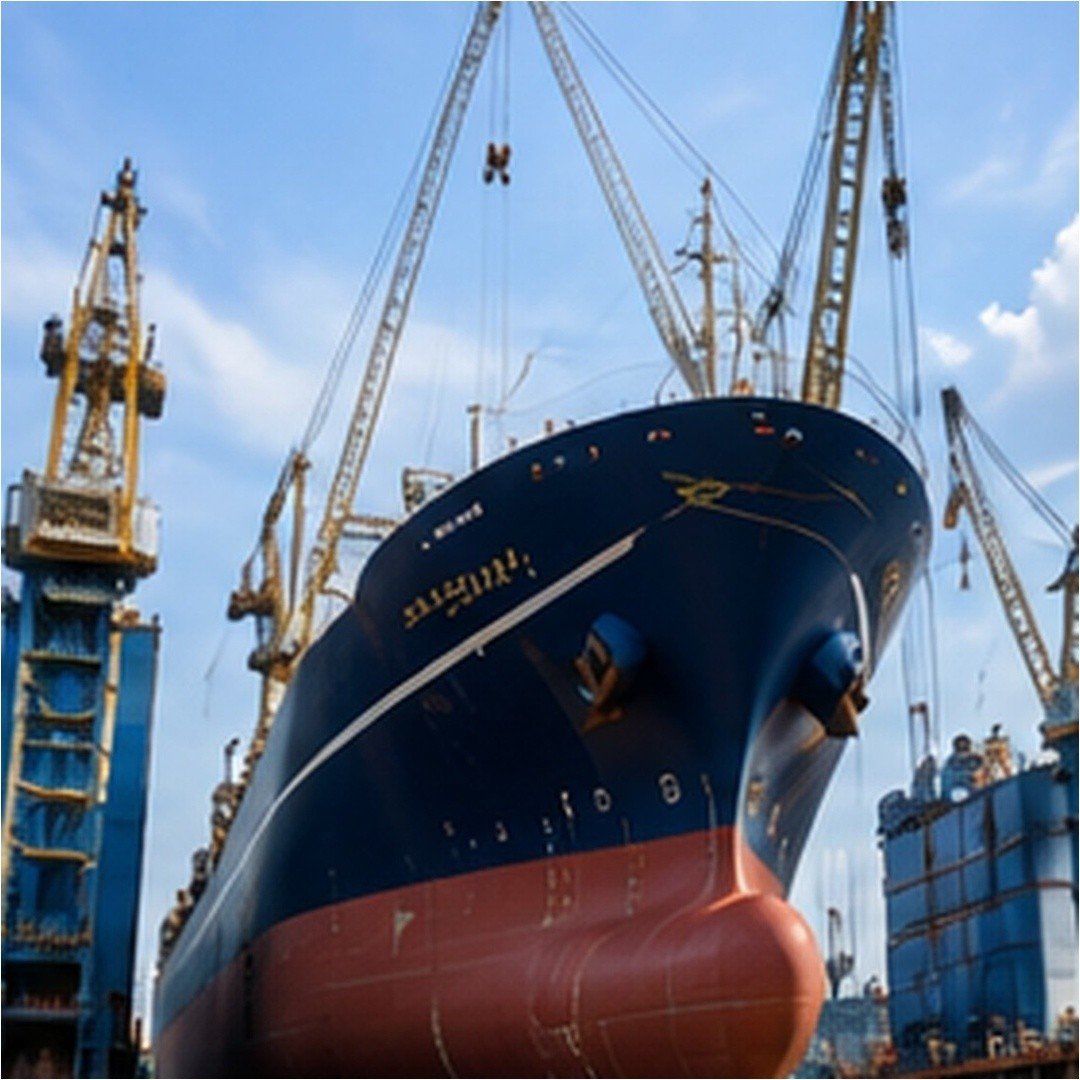

Global shipping company Maersk has expressed interest in direct investment in Bangladesh’s shipbuilding industry, bringing fresh attention to a sector with strong potential for skilled jobs, technology transfer and export growth. Discussions also covered ship recycling, an industry in which Bangladesh already has significant experience. For shipbuilding, interest from a major international maritime group can be valuable because global buyers demand strict standards for design, safety, delivery time and environmental performance. Working with experienced international partners can help local yards strengthen those systems and move toward more complex vessels. Bangladesh has several natural advantages for shipbuilding, including a long maritime tradition, access to rivers and the Bay of Bengal, competitive labour costs and a growing base of engineers and technicians. Local yards have already exported smaller commercial vessels to overseas buyers. The next step is to deepen technical capability so more components, engineering services and specialised equipment can be sourced or produced locally. An investment by a company connected to global shipping networks could also create opportunities for supplier industries, including steel fabrication, marine electronics, paint, cables, engines, safety equipment and logistics. Ship recycling is another area with major economic value because old vessels contain reusable steel and equipment. However, the industry must meet strong environmental and worker-safety standards. Internationally compliant recycling facilities can recover valuable materials while protecting workers and coastal areas. Discussions with Maersk therefore create an opportunity to connect investment with cleaner technology and better practices. Bangladesh’s wider blue economy depends on building stronger skills around ports, shipping, marine engineering and coastal industries. Shipbuilding can be part of that strategy because it creates high-value industrial work linked directly to global trade. Training institutions will be important if the sector grows. Welders, naval architects, electrical technicians and quality inspectors need specialised skills that meet international certification. Reliable finance is also necessary because vessel construction requires large upfront spending before delivery. Maersk’s interest is still at the discussion stage, so it should not be treated as a completed investment. Even so, the engagement is a positive signal that Bangladesh’s maritime industrial base is attracting attention from one of the world’s best-known shipping groups. If talks develop into projects built around technology, safety and export quality, they could help Bangladesh move further up the value chain in shipbuilding and modern ship recycling. Maintaining public trust will be just as important as expanding capacity. That is how a promising announcement can become practical economic progress. Measured carefully, these gains can support confidence without creating unrealistic expectations. A steady focus on quality can help this progress remain useful over the long term. The broader opportunity is to build capacity that remains useful long after the first investment.