

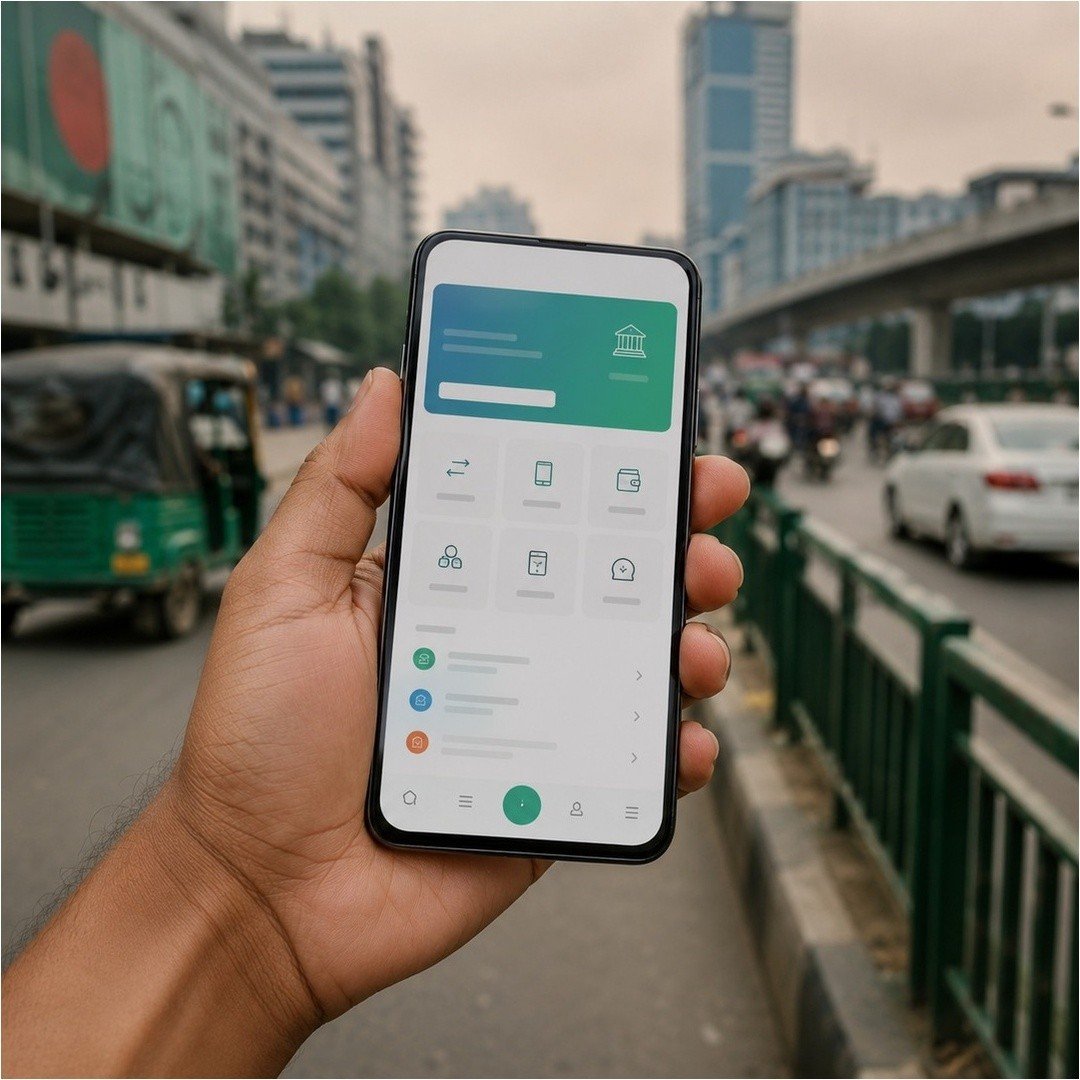

Bangla QR payments are expanding quickly across Bangladesh, with the number of daily transactions nearly doubling after wider merchant adoption of the interoperable system. Average daily use rose from about 178,000 transactions to around 300,000, while the value of payments increased from roughly Tk37 crore to about Tk110 crore. The merchant network has also grown sharply, rising from around 1.6 million outlets to more than 3 million. Bangla QR is designed so one code can accept payments from different banks, mobile financial services and payment apps. A customer can scan the same merchant code using services such as a bank application, bKash or Nagad rather than asking whether a shop supports a specific provider. That simplicity makes digital payments easier for small businesses that do not want to display several separate QR codes. It also supports competition because customers can choose the payment service they prefer. For merchants, the system can reduce dependence on cash and make it easier to keep a record of sales. Small shops, restaurants, pharmacies and service providers can accept digital payments without installing expensive card terminals. A larger formal transaction history may also help some businesses show their income when applying for loans or other financial services. For customers, QR payments can be faster than handling cash and can reduce the need to carry change. The rapid rise in transaction value suggests that users are becoming more comfortable paying larger amounts digitally, not only making small test payments. Growth should still be supported by strong consumer protection. Customers need clear information about fees, refunds and failed transactions, while merchants need quick support when money does not arrive as expected. Fraud prevention and secure application design are also essential as more people use digital payments. Bangladesh already has one of the region’s most active mobile financial service markets, and Bangla QR adds a common layer that can connect different providers. Interoperability is important because a digital economy works better when users are not locked into separate networks. The latest growth shows that a shared standard can become useful quickly when merchants and payment companies adopt it together. If coverage continues to expand and transaction systems remain reliable, Bangla QR can help make everyday payments more convenient, bring more small businesses into the digital financial system and support a less cash-dependent economy. Measured carefully, these gains can support confidence without creating unrealistic expectations. Maintaining public trust will be just as important as expanding capacity. That is how a promising announcement can become practical economic progress. Skills, transparency and reliable services will remain essential as the sector continues to grow. The broader opportunity is to build capacity that remains useful long after the first investment.