

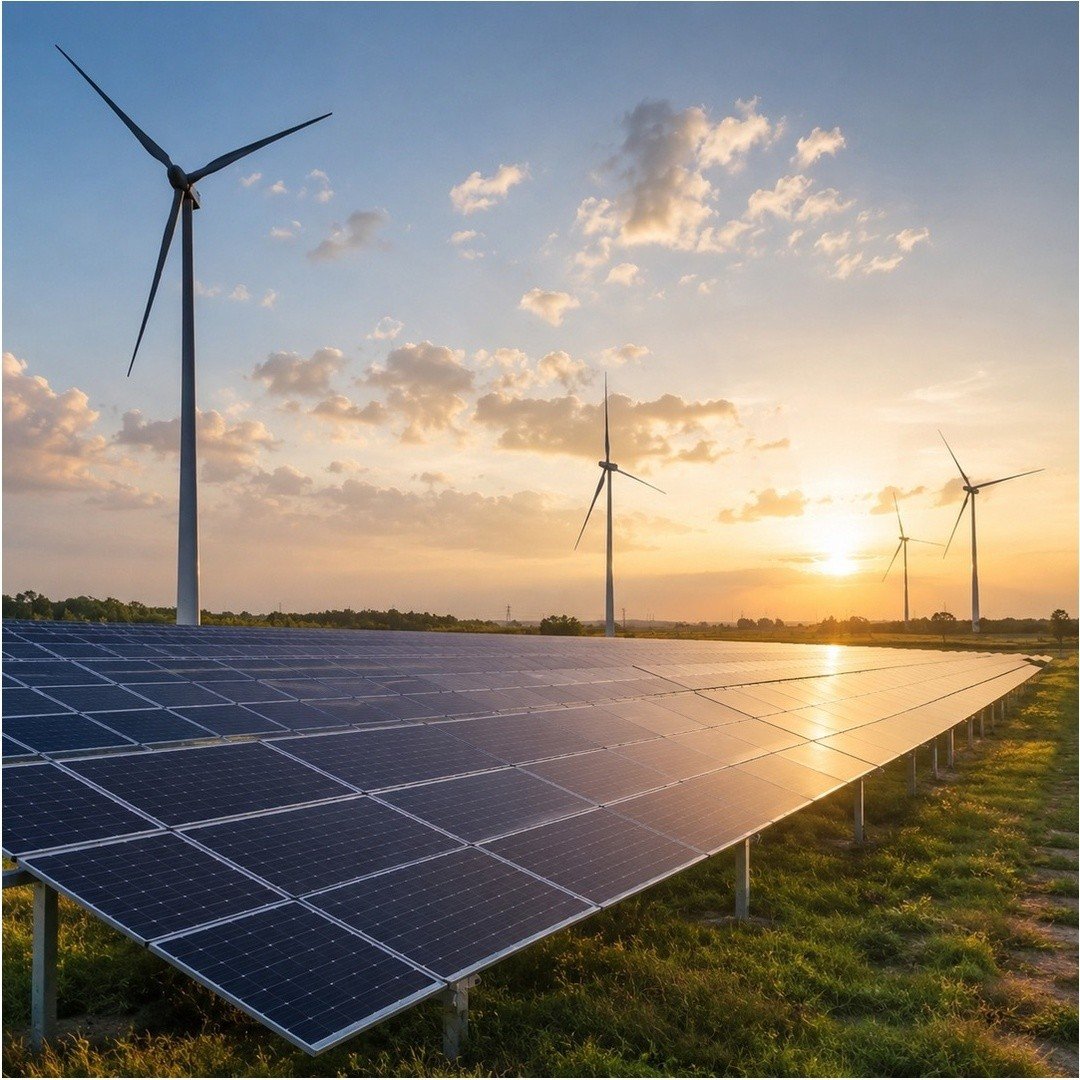

Bangladesh has added around 200 megawatts of solar power to the national grid through net-metering connections, marking another step in the country’s shift toward cleaner and more diverse energy sources. Net metering allows homes, factories and other users with rooftop solar systems to use the electricity they produce and send extra power into the grid. The system can lower electricity costs for users while adding renewable capacity without requiring large areas of land. This is especially useful in Bangladesh, where available land is limited and industrial rooftops can provide valuable space for solar panels. The latest expansion sits within a wider renewable energy strategy that includes solar, wind, hydropower, biomass, biogas, energy efficiency and battery storage. Authorities have also approved a merchant solar project and are working on guidelines for offshore wind, which could open another source of clean power in the future. Battery energy storage is another important part of the plan because solar and wind do not produce electricity at the same level throughout the day. Large storage systems can help balance the grid by saving electricity when supply is high and releasing it when demand rises. Bangladesh is also exploring waste-to-electricity projects and cleaner cooking options as part of a broader energy transition. Renewable energy cannot solve all of the country’s power challenges by itself. The grid needs better management, strong transmission lines and reliable backup sources. Solar equipment also needs quality standards so users receive the performance they expect. However, each new megawatt produced locally can reduce pressure on imported fuels, especially during periods of high global prices. Factories can benefit from rooftop solar because energy costs are an important part of manufacturing competitiveness. Green power is also becoming more valuable to exporters whose international buyers track the environmental impact of production. The expansion can create jobs for electricians, engineers, installers, maintenance workers and local suppliers. Bangladesh has also been working to reduce system losses and improve efficiency, which can make existing power more useful before new generation is added. The 200MW solar increase is therefore part of a wider effort to make the energy system more resilient. If rooftop installations, storage and larger renewable projects continue to grow together, Bangladesh can build a cleaner power mix while improving energy security and creating new opportunities for local technology and service companies. Measured carefully, these gains can support confidence without creating unrealistic expectations. Maintaining public trust will be just as important as expanding capacity. That is how a promising announcement can become practical economic progress. A steady focus on quality can help this progress remain useful over the long term. The broader opportunity is to build capacity that remains useful long after the first investment.