

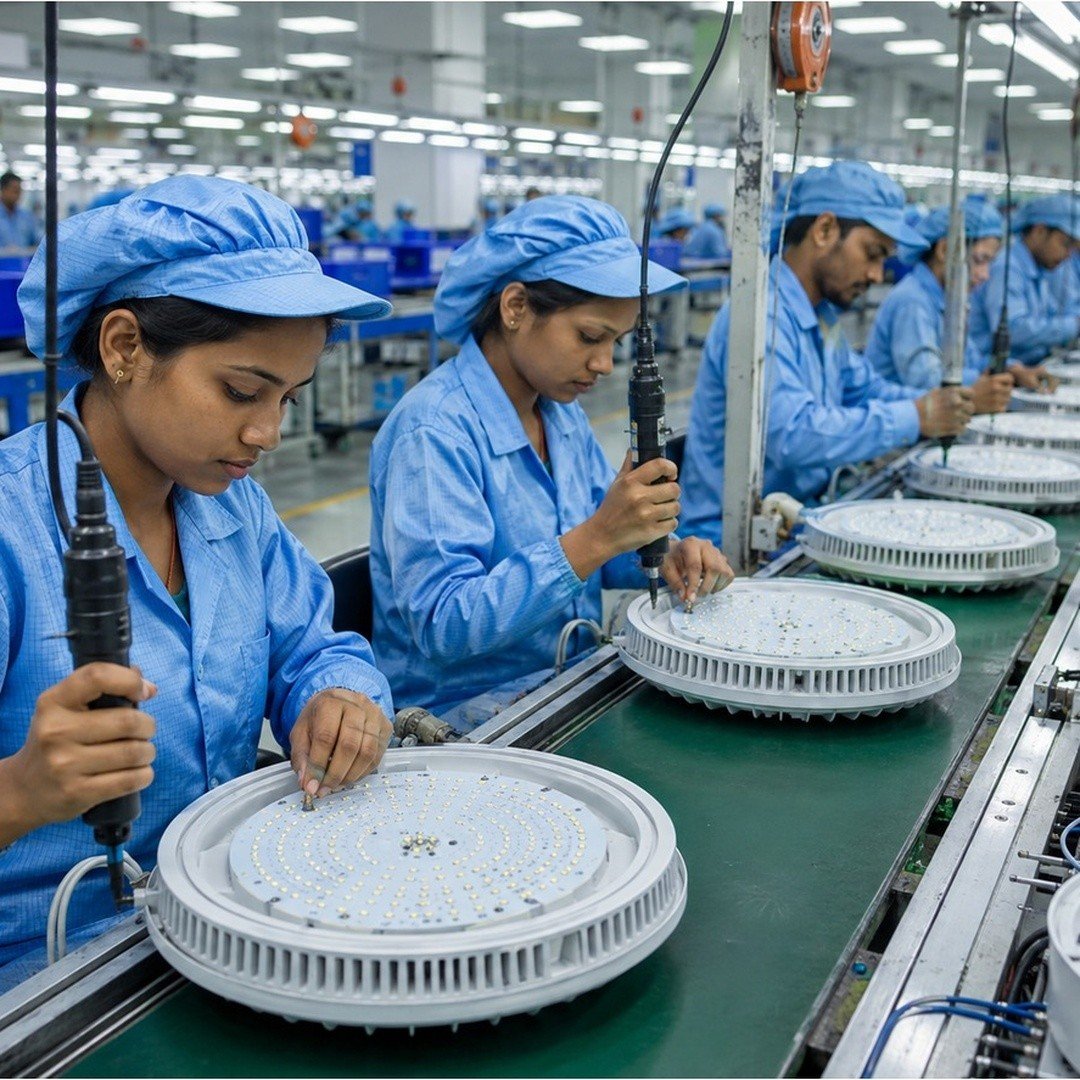

Ecolet plans to invest $15.91 million in a new LED manufacturing plant at the BEPZA Economic Zone in Mirsarai, adding another technology-focused factory to Bangladesh’s growing export base. The facility is designed to produce around six million LED bulbs, lamps and decorative lighting products each year. The company plans to sell its products in markets including the United States, the United Kingdom, Europe and the Middle East. The project is expected to create 306 jobs, giving local workers opportunities in production, assembly, quality control, engineering and factory operations. LED manufacturing is a useful area for Bangladesh because lighting products combine electronics, plastics, metal components, design and packaging. Building more of that value chain locally can support suppliers as well as the main factory. It can also help Bangladesh move into a wider range of manufactured exports beyond the products for which the country is already well known. Export-oriented electronics manufacturing requires consistent quality, energy efficiency and safety standards. Buyers in major markets expect products to meet technical rules, which can encourage factories to invest in better testing equipment and skilled staff. That process can raise the level of industrial knowledge available in the country. The location in a planned economic zone can also make operations easier by bringing factories closer to shared infrastructure and export services. For Bangladesh, foreign and local investment in electronics is important because the sector can create jobs that require more technical training than many traditional assembly roles. Over time, workers can build experience in circuit components, production systems, maintenance and industrial quality management. The project also shows that Bangladesh can attract manufacturing aimed directly at global consumers rather than only serving the domestic market. Competition will remain strong, especially from countries with mature electronics supply chains. To succeed, manufacturers will need dependable power, efficient ports, fast customs services and access to components at competitive prices. Training programmes that match factory needs can also help companies recruit skilled technicians. Ecolet’s planned investment is not huge compared with Bangladesh’s largest industries, but it represents the kind of diversification that can strengthen the economy gradually. If the plant reaches its production and export targets, it can demonstrate that Bangladesh is capable of producing higher-value electrical goods for demanding international markets while creating new jobs and building a deeper manufacturing ecosystem. Measured carefully, these gains can support confidence without creating unrealistic expectations. Maintaining public trust will be just as important as expanding capacity. Good execution will matter more than announcements as the next steps move forward. The broader opportunity is to build capacity that remains useful long after the first investment. A steady focus on quality can help this progress remain useful over the long term.