

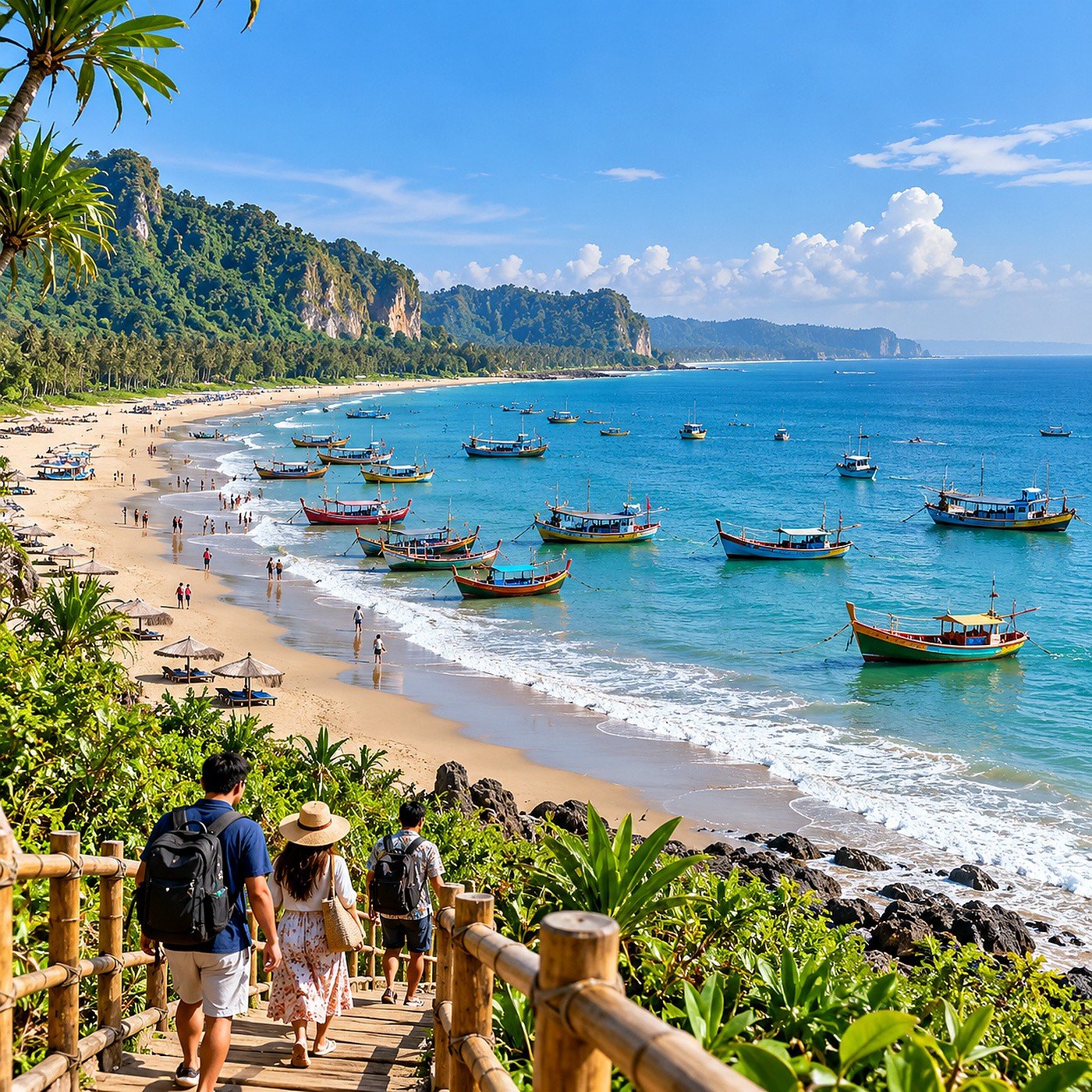

Bangladesh Parjatan Corporation has proposed 60 tourism development projects worth an estimated Tk19,090 crore, outlining a nationwide plan to improve visitor facilities and unlock more of the country’s tourism potential. The proposals cover major regions including Cox’s Bazar and Chattogram, the Chattogram Hill Tracts, Sylhet, coastal islands, the Khulna-Sundarbans area, Rajshahi and northern districts, as well as Dhaka and surrounding areas. The projects include hotels, tourism complexes, eco-friendly facilities, entertainment centres, cable cars, handicraft centres, training facilities and heritage-based attractions. A national tourism master plan has identified 1,498 potential destinations, and the 60 proposals represent a selected group of projects now being advanced for further consideration. The package is still at the proposal stage, with the Ministry of Civil Aviation and Tourism forwarding it to the Planning Ministry. Funding is also expected to vary by project. Some developments may use government financing, while others could be implemented through public-private partnerships, private investment or foreign investment. This mixed model could help bring additional capital and management experience into the sector. The largest proposed regional allocation is for Chattogram and Cox’s Bazar, where several projects would expand and diversify visitor attractions. Sylhet, coastal destinations, the Sundarbans region, northern Bangladesh and the Dhaka area also feature prominently in the plan. Better tourism infrastructure can create benefits far beyond hotels. Local transport operators, restaurants, guides, artisans, photographers, small retailers and food businesses can all gain when more visitors stay longer and travel to a wider range of destinations. Tourism can also support district economies by creating income around natural, cultural and heritage assets that cannot be moved elsewhere. The quality of development will be important. New facilities need to respect local communities, environmental limits and the character of each destination, particularly in sensitive areas such as islands, forests and hill regions. Visitor safety, waste management, trained service workers and reliable transport links will also shape the experience. Bangladesh already has a wide mix of beaches, rivers, tea gardens, wetlands, forests, archaeological sites and cultural traditions. If the proposed projects move forward with careful planning and sustainable investment, they could help turn more of those assets into organised tourism experiences, create local jobs and strengthen the country’s domestic and international tourism economy.