

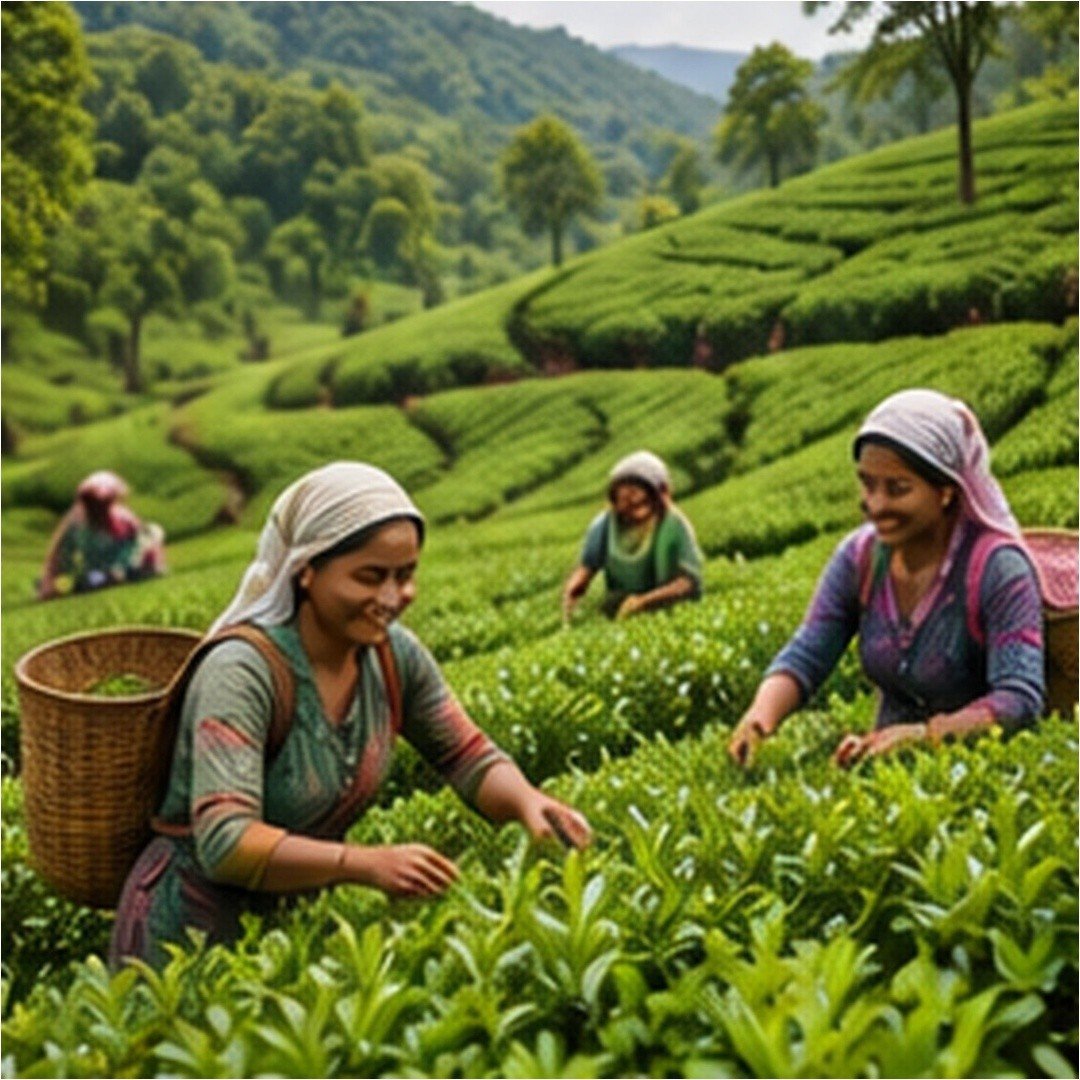

Bangladesh’s latest tea auction recorded strong demand for better-quality varieties, offering a positive market signal for growers, factories and traders. More than 44,000 packages of CTC leaf tea were offered, with good-liquoring small brokens attracting particularly strong interest. Fannings also gained support, while more than 10,000 packages of dust tea saw healthy demand. The catalogue average reached about Tk309 per kilogram, higher than the previous auction average of roughly Tk304, and more than 95 percent of the offered tea was sold. Green tea also drew attention at premium prices. Auction results matter because they give producers a regular picture of what buyers are willing to pay for different grades and qualities. Strong demand for better-liquoring tea can encourage gardens and factories to focus on careful plucking, processing and storage. Quality is especially important in tea because small changes in leaf handling can affect aroma, colour and taste. Bangladesh’s tea industry is concentrated mainly in Sylhet and Chattogram, with newer cultivation also growing in northern districts such as Panchagarh. The sector supports thousands of workers and supplies a large domestic market. As local consumption grows, producers have an opportunity to develop more branded and specialised products rather than selling only bulk tea. Premium black tea, green tea, herbal blends and carefully packaged single-origin products can create higher value if quality remains consistent. The auction system remains important for price discovery, but direct branding and modern retail can give producers additional routes to customers. Export opportunities also exist, especially for distinctive teas that can stand out in a crowded global market. To compete, Bangladesh needs strong quality control and responsible labour and environmental practices. Tea gardens depend heavily on healthy soil, careful water management and a skilled workforce. Climate changes can affect rainfall and temperature, making research into resilient varieties and better farm practices increasingly important. The latest auction does not guarantee that prices will remain high in every sale, but strong buyer demand is encouraging for the industry. It shows that quality products can attract competition even in a market where buyers are selective. If producers continue to improve processing and develop more premium offerings, Bangladesh can strengthen the value of its tea sector while supporting jobs in cultivation, factories, packaging, transport and retail. Measured carefully, these gains can support confidence without creating unrealistic expectations. Maintaining public trust will be just as important as expanding capacity. That is how a promising announcement can become practical economic progress. Progress will be most valuable when businesses, workers and communities benefit together. Careful monitoring can keep the benefits visible and identify problems before they become costly. Skills, transparency and reliable services will remain essential as the sector continues to grow.