

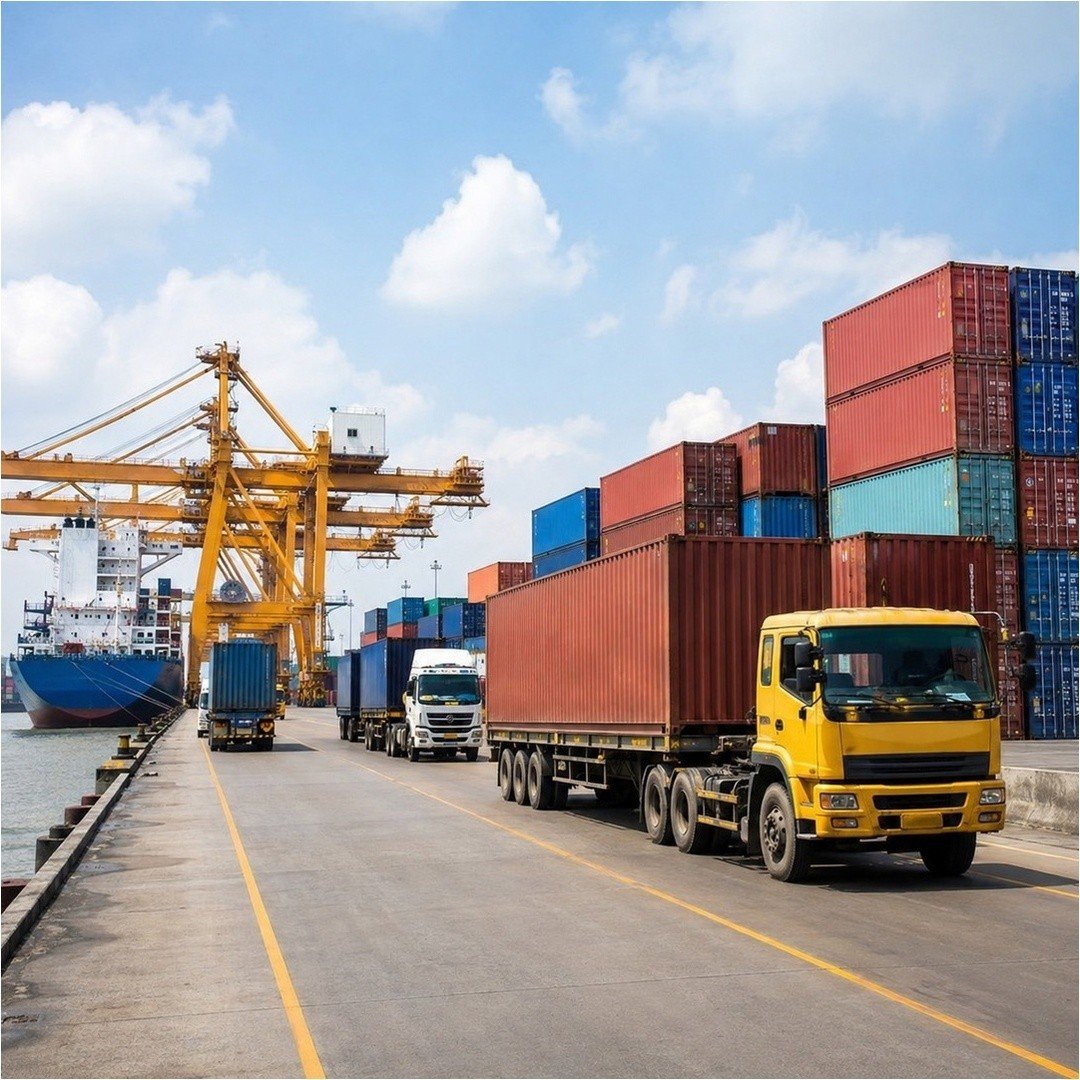

Bangladesh is moving ahead with construction of the modern Laldia Container Terminal at Chattogram Port, a project expected to add major cargo-handling capacity and make international trade more efficient. The terminal is planned as a public-private partnership with investment of more than $550 million, making it one of the country’s larger infrastructure partnerships. When fully operational, it is expected to handle around 800,000 twenty-foot equivalent container units each year. The design includes a jetty of about 615 metres, container yards, modern gates, cargo facilities and ship-to-shore cranes. These features can allow larger volumes of containers to move between ships, storage areas and trucks with less delay. Port efficiency matters to nearly every export and import business. Garment factories need fabric, chemicals and machinery to arrive on time, while exporters need finished goods to reach overseas buyers according to tight schedules. When containers wait too long at port, businesses face extra costs that can reduce competitiveness. Additional capacity at Laldia can help relieve pressure on existing facilities as Bangladesh’s trade volume grows. Modern port-management systems are also expected to support faster tracking and handling. The project includes international cooperation with Denmark, bringing outside experience in shipping and logistics to the development. Bangladesh’s location on the Bay of Bengal gives it strong potential as a trade gateway, but that advantage depends on efficient ports and inland connections. A container terminal works best when roads, railways, customs systems and warehouses around it are also well organised. Digital documentation can reduce paperwork, while better scheduling can keep trucks from waiting unnecessarily. Environmental standards will also be important because large port projects affect coastal land and water. The terminal should therefore combine commercial speed with responsible construction and operations. For Bangladesh, logistics improvement can have a wide economic effect. Lower shipping delays help exporters compete on price, and reliable import handling helps factories maintain production. New terminal activity can create jobs for equipment operators, engineers, logistics professionals and service companies. It can also attract investment from firms that need dependable access to global shipping routes. Laldia will not replace the need for continued improvement across the whole transport network, but it can become a major new piece of that system. If the project is completed with modern equipment and efficient management, it can strengthen Chattogram Port and support Bangladesh’s next stage of trade growth. Progress will be most valuable when businesses, workers and communities benefit together. A steady focus on quality can help this progress remain useful over the long term. The broader opportunity is to build capacity that remains useful long after the first investment. Careful monitoring can keep the benefits visible and identify problems before they become costly.