

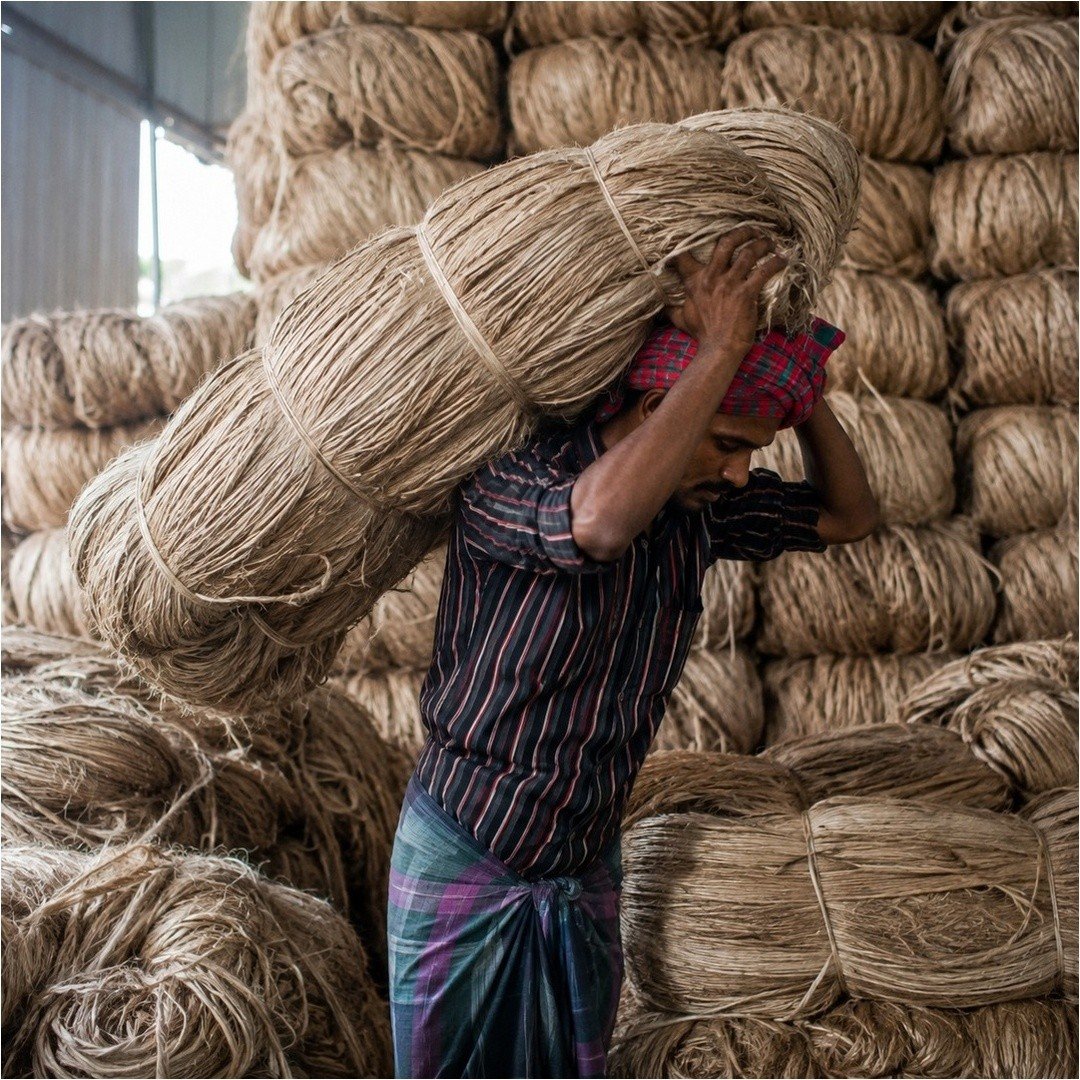

Three closed state-run jute mills are set to return to production through private investment worth about Tk619 crore, creating the potential for more than 11,600 jobs and giving fresh life to one of Bangladesh’s traditional industries. The mills are being leased to private business groups that plan to modernise operations and use the sites for commercial production. Together, the projects are expected to generate annual turnover of roughly Tk1,175 crore if they reach planned capacity. Two of the facilities, National Jute Mills in Sirajganj and Star Jute Mills in Khulna, are being taken over by PRAN-RFL Group, while HAMCO Group is taking responsibility for Platinum Jubilee Jute Mills in Khulna. At National Jute Mills alone, planned investment is around Tk157 crore with more than 5,200 jobs expected. Star Jute Mills carries a larger investment plan of about Tk250 crore and a similar employment target. Reviving old industrial sites can be useful because land, buildings and transport connections already exist. Private operators can focus investment on machinery, product design and management rather than starting entirely from zero. Jute also has renewed global potential because it is natural, biodegradable and can replace plastic in some uses. Traditional sacks and yarn remain important, but the higher-value opportunity lies in diversified products such as shopping bags, home items, composites, geotextiles and packaging. Bangladesh grows high-quality jute and has generations of experience in processing the fibre. The challenge is to turn that natural advantage into modern products that meet current buyer needs. Reopened mills will need efficient machinery, reliable quality and stronger marketing if they are to compete internationally. Workers may also require updated training as factories introduce new production lines. Environmental management matters as well, especially in processing and dyeing. The employment impact could be significant in areas where large mills once supported entire local communities. Direct factory jobs also create demand for transport, food, housing, repair services and small suppliers. A successful revival would show that older industrial assets can be reused instead of left idle. The Tk619 crore plan is therefore more than a reopening story. It is an opportunity to connect Bangladesh’s historic jute strength with the growing global market for sustainable materials. If private investment leads to modern production and diversified exports, the revived mills can create jobs while giving jute a stronger role in a greener manufacturing economy. Better coordination can reduce delays and help useful projects reach people faster. A steady focus on quality can help this progress remain useful over the long term. The broader opportunity is to build capacity that remains useful long after the first investment. Careful monitoring can keep the benefits visible and identify problems before they become costly.