

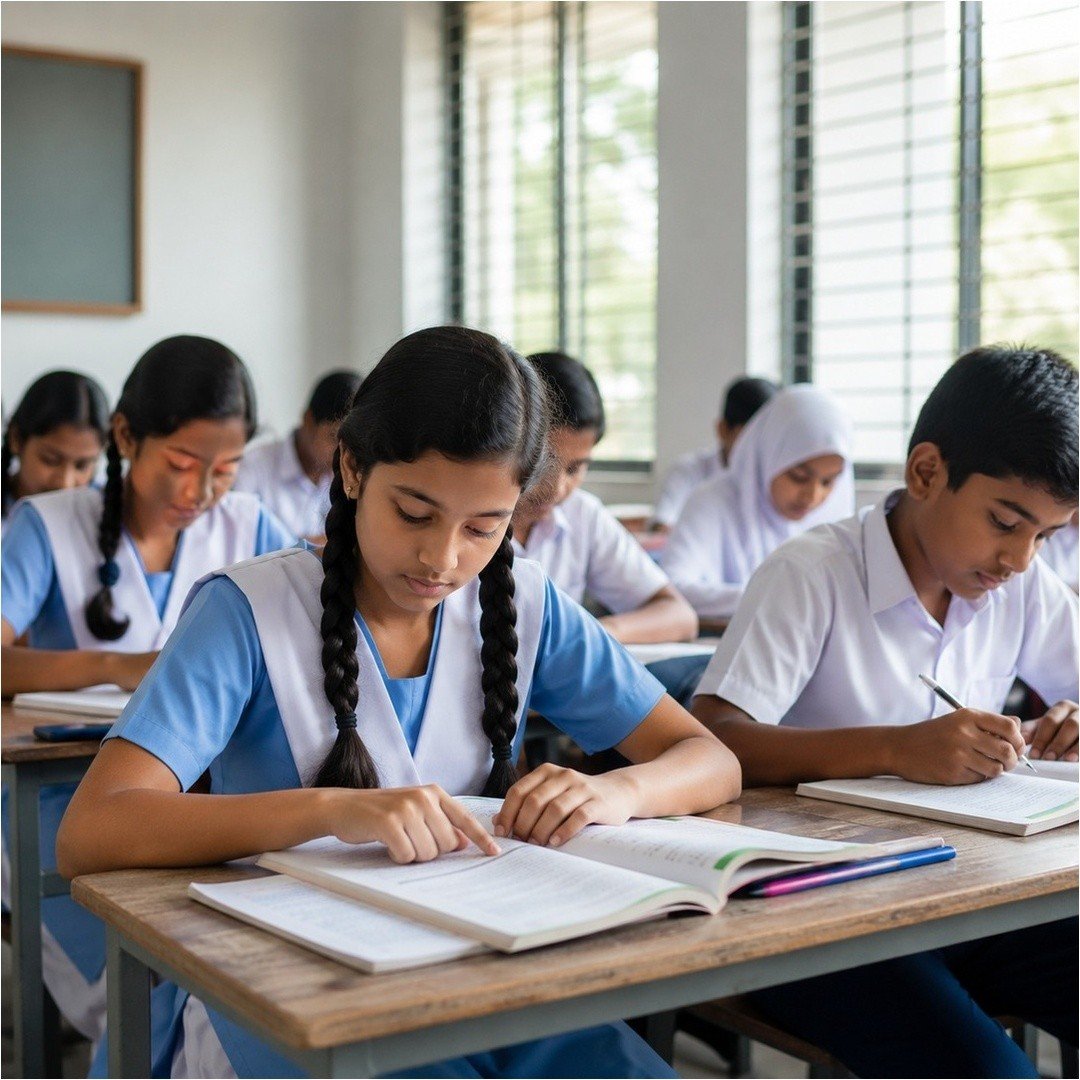

Bangladesh is expanding a group of smart education initiatives designed to make schools and colleges more digital, better connected and easier to manage. The plans cover classroom technology, teacher support, online administration, school safety and environmental learning. A major part of the effort is the continued upgrade of the Education Management Information System, which is moving more services to secure cloud-based systems. Digital portals and artificial intelligence chatbots are also being developed to help students, teachers and administrators find information more quickly. Teacher management is another area receiving attention. Automated transfer systems can make postings more transparent and reduce paperwork, while digital inventory tools can help institutions track equipment and resources. Schools are also being connected to central monitoring systems through CCTV, with the aim of improving safety and accountability. One of the most visible ideas is the One Child, One Tree programme, which connects education with environmental responsibility. The broader goal is to plant millions of trees through educational institutions while encouraging students to understand climate and nature through direct participation. Other planned schemes include the One Teacher, One Tab concept, free Wi-Fi, more multimedia classrooms and support for students with special learning needs. Partnerships with universities, development organisations and education groups are also being used to improve mathematics, science and digital learning. Technology by itself will not improve education unless teachers know how to use it well. Training is therefore just as important as devices. A tablet or smart display can support better lessons, but only when teachers have useful content and enough time to learn new methods. Reliable electricity and internet access are also necessary so rural schools are not left behind. Bangladesh has made major progress in getting children into classrooms, and the next challenge is improving learning quality. Digital systems can help by giving teachers better resources and allowing administrators to see problems faster. They can also reduce repetitive paperwork and give families easier access to information. At the same time, schools need strong data protection because education systems hold personal information about children and staff. The positive opportunity is to use technology as a practical tool rather than a replacement for good teaching. If the new initiatives are introduced carefully, with training and equal access, Bangladesh can build a more modern education system that prepares students for a digital economy while keeping learning simple, safe and useful. Responsible growth can protect quality while opening room for new ideas and investment. A steady focus on quality can help this progress remain useful over the long term. The broader opportunity is to build capacity that remains useful long after the first investment. Careful monitoring can keep the benefits visible and identify problems before they become costly.