

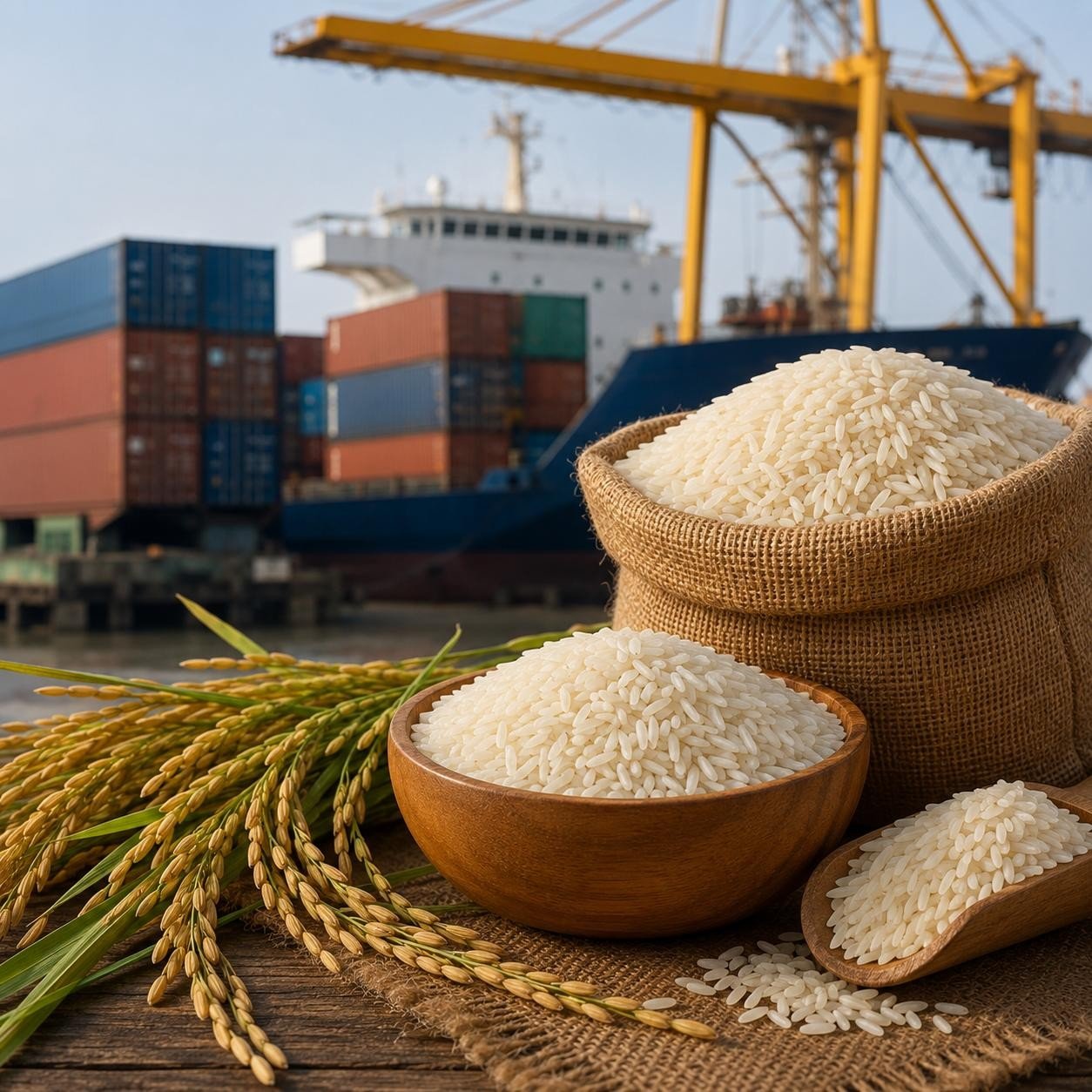

Sixty-seven Bangladeshi companies have received permission to export 8,800 tonnes of aromatic rice, creating a fresh opportunity to promote premium local varieties in overseas markets. Each approved exporter can ship a set amount under a government quota, with the largest individual limit fixed at 500 tonnes. The export permission gives rice millers, farmers, packaging businesses, and traders a chance to earn more value from rice known for its fragrance, taste, and cooking quality. Aromatic rice is usually sold as a premium food rather than a basic bulk grain. Varieties grown in Bangladesh can appeal to expatriate communities, restaurants, speciality food shops, and consumers who enjoy South Asian cuisine. Exporting these products can help build a clear identity for Bangladeshi food in global markets. The approval includes rules designed to protect quality and keep the process organised. Exporters must complete customs requirements, follow the national import policy framework, and ship within the permitted period. The minimum free-on-board price has been set at $1.80 per kilogramme, preventing companies from selling below the approved level. Export allocations cannot be transferred or subcontracted to another business, which helps keep responsibility with the selected companies. Successful exports will depend on more than receiving permission. Buyers expect clean, properly milled rice with consistent grain size, fragrance, moisture, and packaging. Companies need strong quality checks from the mill to the final shipment. Clear labels, food-safety certificates, traceability, and suitable storage can protect the product and build buyer trust. Attractive packaging may also help aromatic rice reach supermarkets and premium retail shelves instead of being sold only as an unnamed commodity. Farmers could benefit when exporters create stable demand and pay fair prices for suitable varieties. Contract farming, quality seed, careful harvesting, and separate storage can help maintain the special features of aromatic rice. Millers may invest in improved cleaning, sorting, grading, and packing equipment to meet export standards. Transport and logistics companies can gain business as shipments move to ports and airports. The quota is modest compared with Bangladesh’s total rice production, so it can support export growth without turning the programme into uncontrolled large-scale selling. Domestic food security and local prices should still be monitored carefully. The government can use market data to decide how future permissions are managed. This export opportunity can also encourage companies to explore new destinations and take part in food exhibitions. By combining traditional varieties with modern processing and professional branding, Bangladesh can earn more from agricultural products. The approval gives 67 firms a practical opening to introduce the aroma and quality of Bangladeshi rice to more consumers worldwide. Strong branding around origin, flavour, and responsible production could help these varieties earn better prices while protecting traditional rice heritage.