

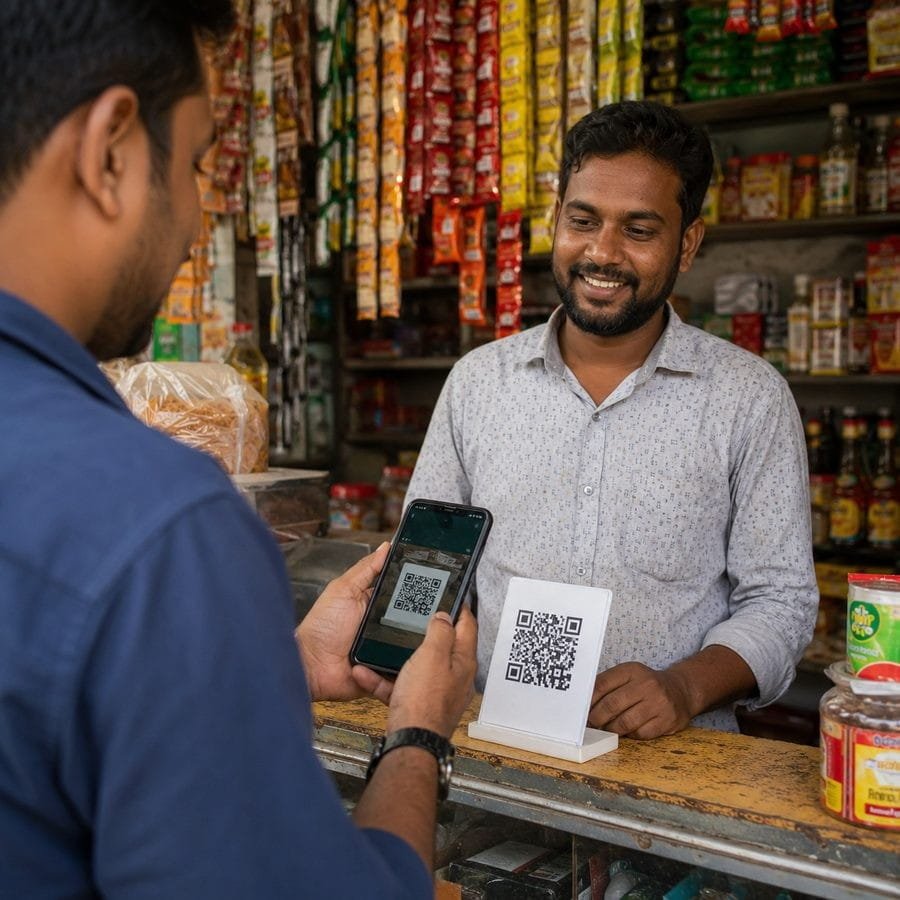

Bangla QR has expanded to 9.63 lakh merchants, showing that digital payments are becoming more common across shops, services, and daily business activities in Bangladesh. This growth is important because a wider merchant network makes cashless payment easier for both customers and sellers. When more stores accept QR-based payment, people can pay using mobile banking apps, bank accounts, or supported digital payment services without carrying large amounts of cash. For small merchants, QR payment can be simple and low-cost because it does not always require expensive machines or complex equipment. A printed QR code or digital display can allow a shop to receive payments quickly and safely. This is helpful for grocery stores, pharmacies, restaurants, clothing shops, service providers, transport counters, and many other small businesses. The growth of Bangla QR also reflects a larger shift in Bangladesh’s financial system. People are becoming more comfortable with mobile wallets, banking apps, card-linked payments, and digital transaction records. TakaPay’s expansion across banks also supports this move toward local digital payment infrastructure. A stronger local payment system can reduce dependence on cash, improve transaction speed, and help formalize parts of the economy. For customers, QR payment saves time and reduces the need to handle change. For merchants, it creates a record of sales, which can later help with accounting, business planning, and access to formal finance. Digital payment records may also make it easier for small businesses to prove income when applying for loans. This is especially useful for merchants who have regular sales but no proper financial documents. Wider QR use can also reduce risk linked with carrying cash, especially for businesses that handle many small payments every day. The success of digital payments depends on trust, ease of use, network strength, and clear cost structures. Customers need to feel that payments are secure and fast. Merchants need to know that money will reach their accounts without delay or confusion. Banks and payment service providers must continue improving user experience, awareness, and customer support. Rural and semi-urban areas also need more attention so that cashless systems do not remain limited to large cities. The rise of Bangla QR shows that Bangladesh is building a more modern payment culture. If digital payment access keeps expanding, it can support small business growth, improve financial inclusion, reduce cash handling, and make everyday transactions smoother for millions of people.