

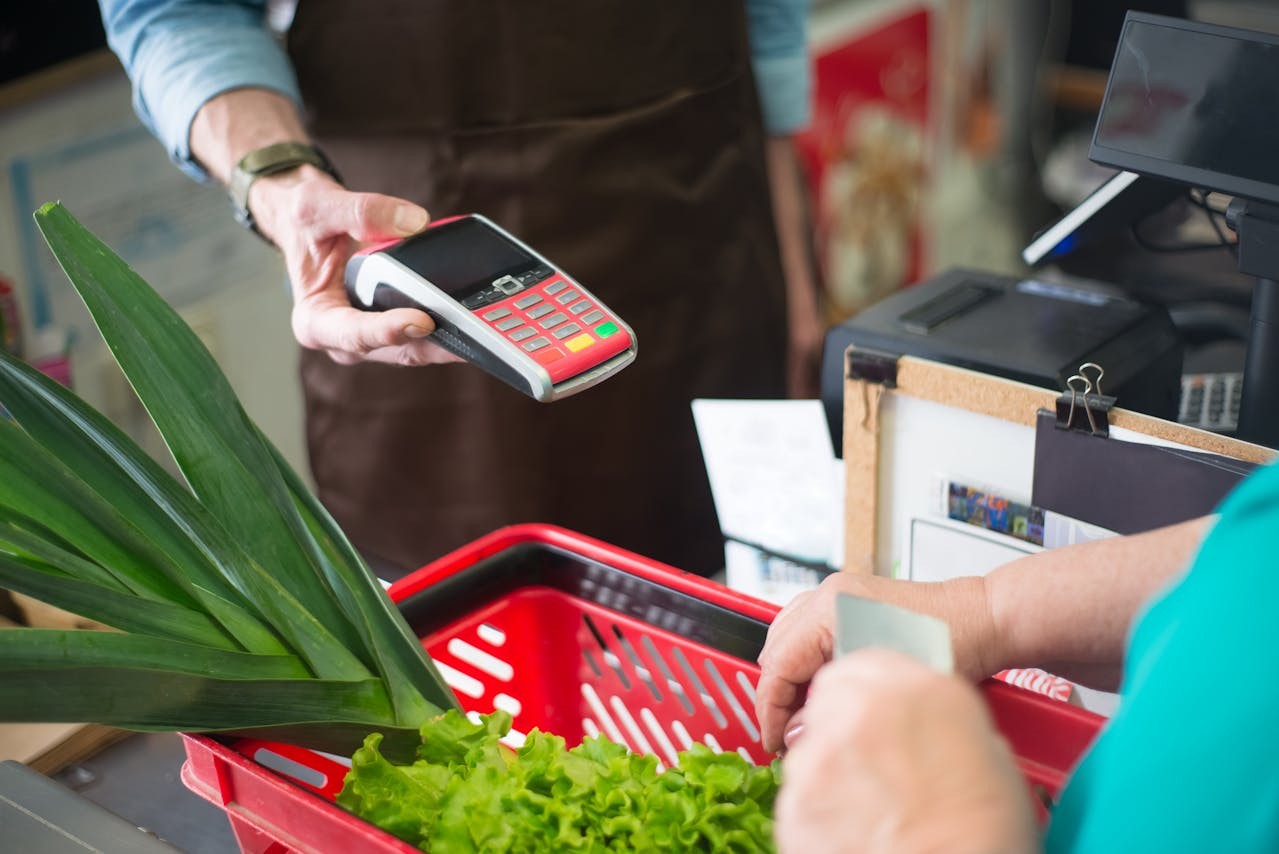

Imagine a Bangladesh where paying for groceries, bills, or even a rickshaw ride is as simple as a quick tap on your phone, making life easier and boosting the nation’s growth—this vision is driving the push for a cashless society that could transform the economy for everyone. Moving away from cash isn’t just about convenience; it’s a key step to include more people, especially women, rural residents, and informal workers, in the financial system, giving them access to banking services that were previously unattainable. Mobile financial services like bKash have already made waves, letting millions send and receive money with ease, but cash still rules most daily transactions, slowing progress. By shifting to digital payments, Bangladesh can cut costs for businesses, reduce the risk of lost or stolen cash, and make it harder for tax evasion or corruption to hide, creating a fairer system for all. Digital transactions leave a clear record, helping the government track money flows, improve tax collection, and strengthen rules against illegal activities, which builds trust and attracts investors. For example, small shop owners could spend less time handling cash and more time growing their businesses, while farmers could get paid instantly through apps, skipping risky trips to banks. This shift also supports Bangladesh’s dream of a stronger, globally competitive economy, fueling innovation in tech, e-commerce, and trade with other countries. However, challenges like spotty internet, limited phone access in rural areas, and a lack of trust in digital systems need fixing to make this work for everyone. Experts suggest teamwork between the government, banks, and tech companies to build better networks, create user-friendly apps, and teach people how to use them safely. Offering rewards like cashback for digital payments could also encourage more people to try it. Banks like Dhaka Bank have already introduced easy-to-use apps for transfers and bill payments, showing how technology can simplify life. Success stories from other countries, like India’s fast payment systems, inspire hope that Bangladesh can follow suit, creating jobs and opportunities as more businesses go digital. This isn’t just about replacing cash—it’s about building a future where everyone, from city shoppers to village vendors, can join a thriving economy. By investing in training, improving access to phones and internet, and ensuring safe transactions, Bangladesh can turn this vision into reality, making everyday life smoother and paving the way for lasting prosperity that benefits all its people.