

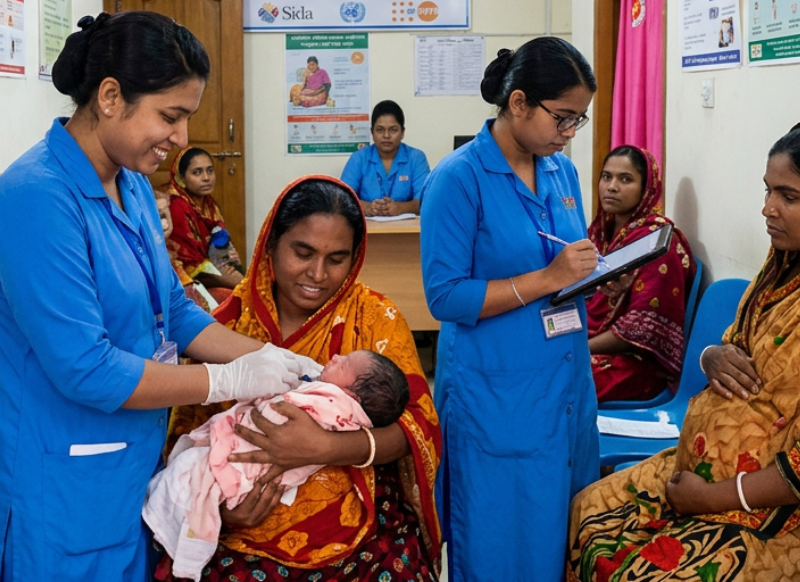

A new funding package from Sweden is set to strengthen reproductive health services for some of the most vulnerable people in Bangladesh, offering fresh hope to women and gender-diverse communities who often struggle to get safe and respectful care. Through a partnership with a United Nations health agency, Sweden is providing several million in support to expand integrated reproductive health services in selected districts, with a focus on those who face discrimination, violence and long journeys to reach a clinic. The programme aims to make sure that every person is treated with dignity when they seek help, whether they need family planning, care during pregnancy and childbirth, testing and treatment for infections, or support after gender-based violence. Health centres taking part in the initiative will be encouraged to follow clear standards on privacy, consent and non-discrimination so that clients feel safe sharing personal information and asking questions. A key part of the plan is to strengthen midwifery-led services, because trained midwives can offer expert support before, during and after birth and are often the first trusted contact for women in remote or poor areas. The funding will help train midwives, doctors and paramedics so they can recognise warning signs, provide lifesaving treatment, and give survivors of violence confidential, survivor-centred care. Community outreach is also built into the project, with local workers expected to organise group discussions, home visits and youth sessions that explain people’s health rights and the options available to them in simple, friendly language. This is especially important for teenagers and young adults who may feel shy or scared about visiting a clinic. By improving services that are close to where people live and by reducing stigma, the initiative hopes to cut unplanned pregnancies, unsafe abortions and health problems linked to untreated infections. The partnership also supports national goals to make the health system more inclusive and resilient, including in areas affected by climate change and humanitarian crises where regular services are often disrupted. Swedish representatives say the support reflects their long-term commitment to human rights, gender equality and health for all, while local health officials see it as a chance to turn good policies into everyday reality in clinics and communities. If the programme succeeds, thousands more people in Bangladesh will be able to make informed choices about their bodies and their futures, and health workers will have the skills and resources they need to stand beside them with respect and care.