

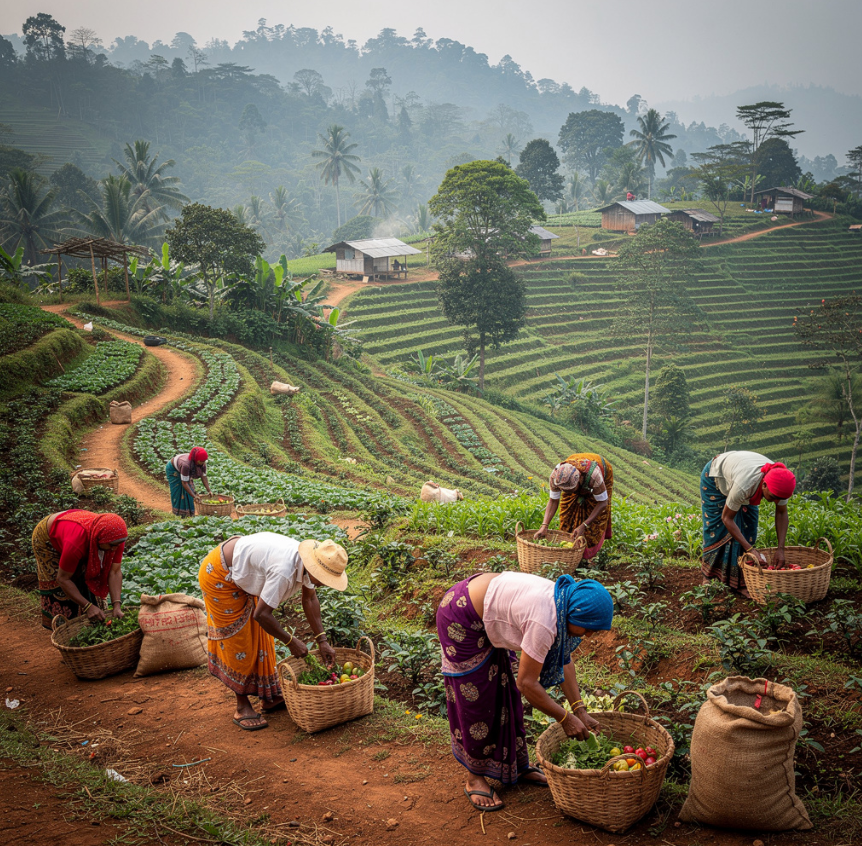

Farmers in the hill regions of Bangladesh are turning more to profitable cash crops, creating new income for their families but also raising questions about how this change is affecting the land, water, and wildlife they depend on. For many years, Indigenous communities and other local residents relied on traditional mixed farming systems that combined rice, vegetables, and forest products, often grown in small plots that shifted over time and left space for the soil to recover. Now, as markets for high value crops expand and roads improve, many households are switching to crops like fruits, spices, and other commercial plants that promise faster cash returns and better prices from traders. At first this shift brings clear benefits, such as higher earnings, more regular work opportunities, and money for school fees, health care, and new homes, but experts are starting to see that the rapid move away from older practices can also seriously damage fragile hill ecosystems if it is not carefully managed. Steep slopes are often cleared of trees to make room for dense plantations, which can lead to soil erosion, weaker root systems, and landslides during heavy rain, while the loss of natural vegetation reduces habitat for birds and insects. In some areas, the growing use of chemical fertilizers and pesticides to protect cash crops is also changing local water quality, as rain washes these substances into streams that people use for drinking, washing, and fishing. Community members say that springs that once flowed all year now run dry in the hottest months, suggesting that changes in land cover may be affecting how water is stored in the ground. At the same time, dependence on a number of cash crops can make families more vulnerable when prices fall or when disease attacks a single crop, leaving little backup food in the field. Researchers and local groups are therefore encouraging farming styles that keep the best parts of the new system while bringing back some lessons from the past, such as growing trees and crops together, planting along the contour of hillsides to slow down rainwater, and protecting patches of forest as shared community resources. Training on soil health, composting, and use of inputs can help farmers protect their yields while reducing pressure on rivers and wildlife, and some pilot projects are already showing that mixed gardens with fruit trees, spices, and vegetables can earn good profits without stripping the hills bare. With planning, fair market support, and strong community voices, the cash crop trend in the hills does not have to come at the cost of the environment and can instead grow into a more balanced model where economic progress and ecological care move forward side by side.