

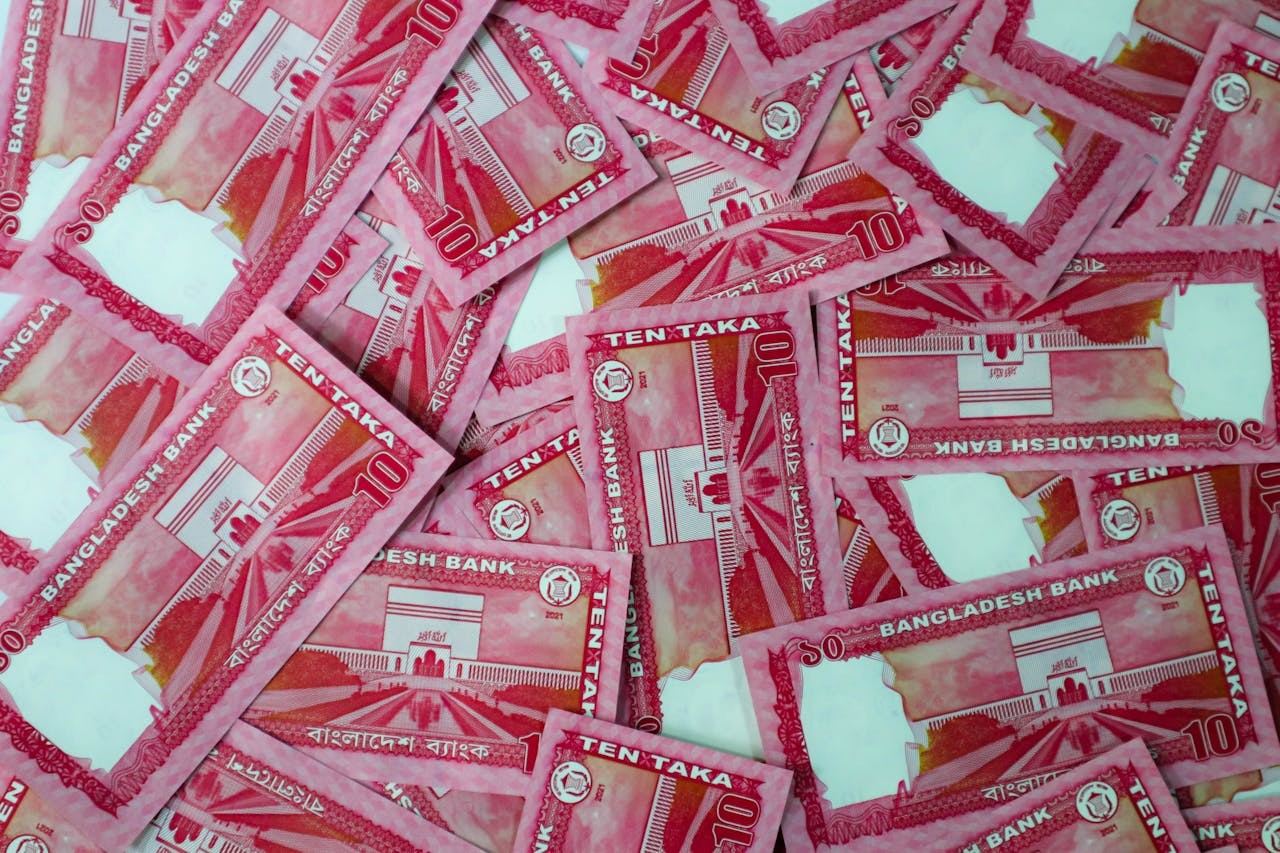

In a refreshing turn for Bangladesh’s economy, the taka has gained value by 0.39 percent, reaching 122.3 against the US dollar, marking its strongest performance in years and bringing a wave of optimism for trade and financial stability. After facing steady declines of 3.89 percent last fiscal year and 8.17 percent the year before, this uptick signals a promising shift, driven by a weaker US dollar globally, strong remittance flows from workers abroad, and slower growth in private-sector loans that reduced import demand. This makes everyday imports like food and fuel cheaper, easing costs for families and businesses, while also boosting confidence in the nation’s financial health. With foreign exchange reserves climbing to $30.83 billion, up significantly when measured by international standards, Bangladesh is better positioned to handle global trade and support local markets. Economists point out that this appreciation can help control inflation by lowering the cost of imported goods, which is a big relief for consumers facing rising prices. For instance, cheaper raw materials could mean more affordable products in stores, from clothing to electronics, benefiting small businesses and shoppers alike. However, this also means exporters and overseas workers might earn slightly less taka for their dollars, though the robust remittance inflows—vital for millions of households—continue to cushion this impact. The central bank’s careful management, including a new flexible exchange rate system, has helped stabilize the taka, creating a more predictable environment for businesses to plan and grow. This stability encourages investment in industries like garments and agriculture, which are key to Bangladesh’s economy, by making it easier to price products competitively abroad. The country’s strong reserve position also supports ambitious plans, like expanding digital payment systems or upgrading infrastructure, which can create jobs and improve daily life. Experts suggest that sustaining this momentum requires continued focus on balancing imports and exports, as well as investing in local industries to reduce reliance on foreign goods. For everyday people, this could translate to more stable prices for essentials and new opportunities in growing sectors. By building on this progress, Bangladesh is setting the stage for a more resilient economy, where businesses thrive, workers benefit, and communities feel the positive ripple effects of a stronger currency, paving the way for a brighter financial future.