

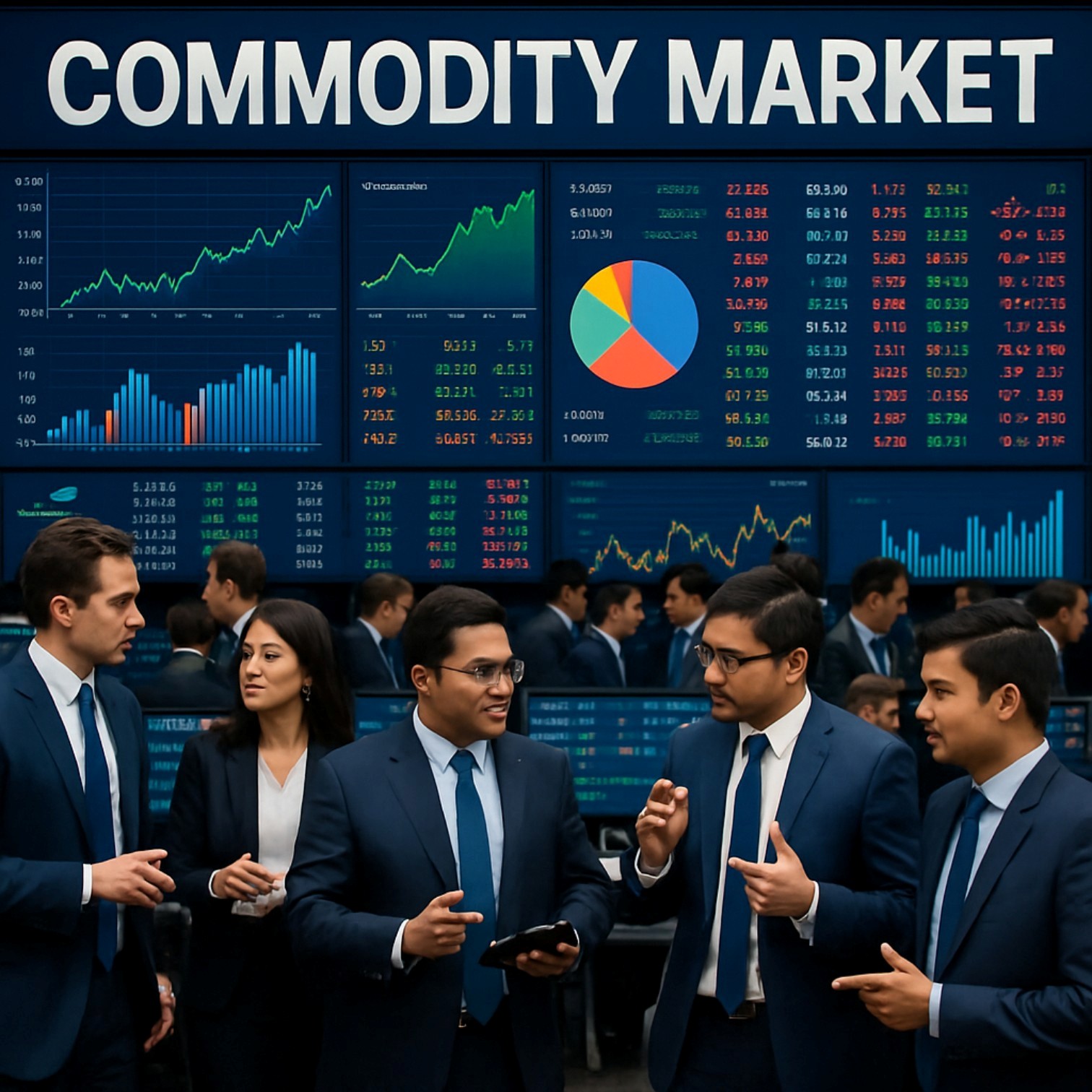

Bangladesh’s finance and market leaders met at a focused discussion to plan the country’s first commodity exchange, and set a practical tone to make it real. The Chittagong Stock Exchange led the event and invited bank chiefs, market experts and policy advisers to explain how a commodity derivatives market can help farmers, traders and businesses cope with price swings. Speakers stressed that this exchange would give producers a place to set fair prices and allow buyers to find steady supply without surprise costs. They pointed out that better price discovery and hedging tools can stop sudden shocks from hurting small businesses and household budgets. Leaders asked banks to play a big role, both by working with stockbrokers and by offering new services that fit the exchange. Several former market heads and advisers praised the Chittagong team for careful planning and for learning from past efforts while using modern systems and clear rules. Panel members said a commodity exchange will bring a new asset class to the country’s financial system and could draw money from local and overseas investors who want steady, transparent choices. Speakers urged clear governance, strong risk controls and public education so people can use the market safely and fairly. One main point was that building the right infrastructure matters: good technology, reliable testing and transparent clearing systems are needed so trades are safe and simple. The meeting also talked about small pilot projects to show the benefits fast, such as starting with a few key crops or raw materials that are traded often and matter to many people. Pilots can teach regulators, banks and firms how to operate without risking the whole system. Bank leaders said their firms can back trading, provide credit for storage and help firms move from short term loans to longer term investment. Speakers added that the exchange can create jobs in warehousing, testing labs, training and market services, which helps local towns and small businesses. Many noted that overseas Bangladeshis also look for new ways to invest at home, and a regulated commodity market could be an option for them. The tone of the meeting was hopeful and hands on, with a clear call for steady steps rather than fast promises. Organizers said they will keep talking with industry, set up training for market users, and invite more partners to join pilot schemes and workshops. Attendees left ready to help build systems that ease price risk, open new business lines for banks and bring long term benefits to farmers and buyers. This plan, if followed carefully, could make markets fairer, reduce losses from sudden price moves and help the wider economy grow in a stable way. Many groups say they will watch.