

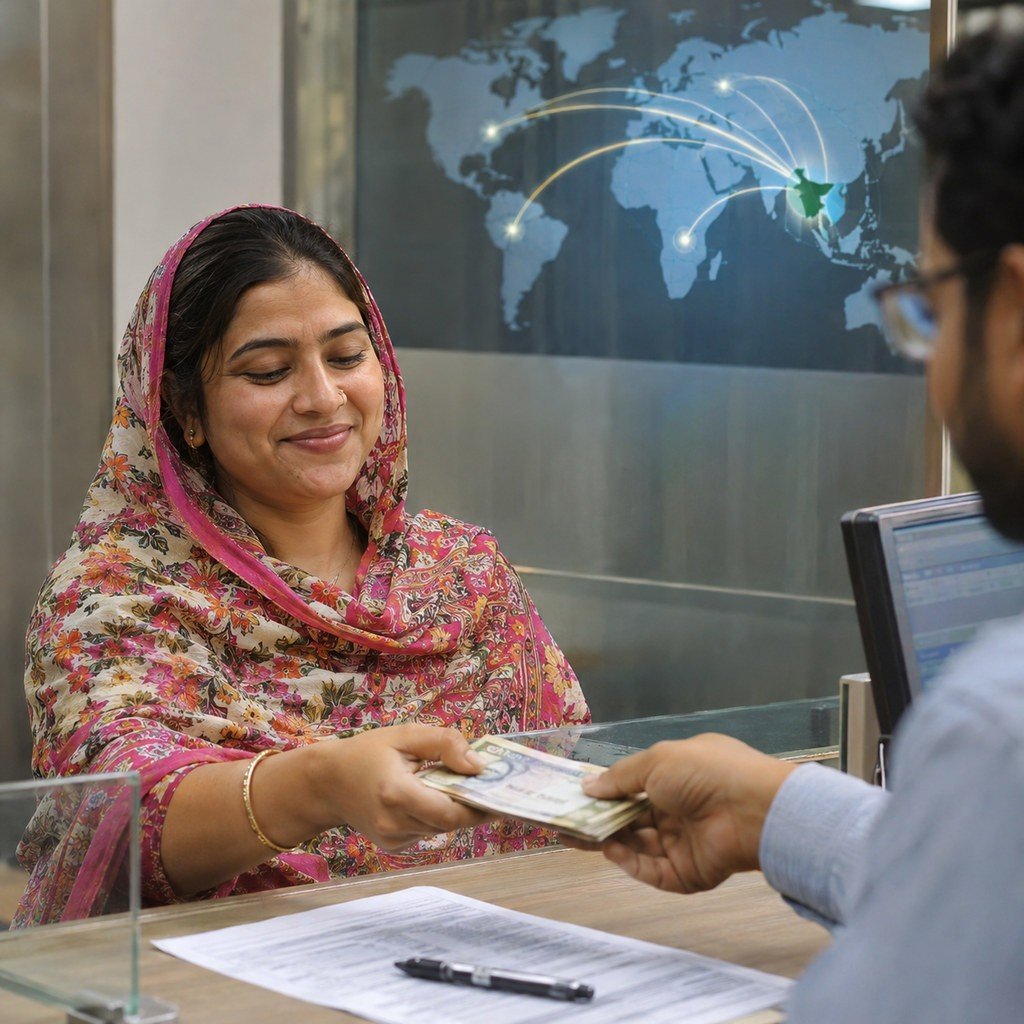

Remittance receipts were reported at $9.76 billion, an increase of 13.8% for the stated July–October reporting period. This development adds another piece to Bangladesh’s work to expand opportunities through investment, skill and better services. The development involves foreign-exchange inflows through financial channels. It is especially relevant to migrant workers’ families and banks. Bangladesh has many capable businesses and workers, but turning a promising opportunity into practical value often requires investment, sound management and the ability to reach customers or users consistently. A positive headline can identify the direction of change; it cannot, by itself, establish the final outcome. For migrant workers’ families and banks, the practical value could be clearer choices, new opportunities, and a more predictable environment. Those benefits do not arrive automatically. They depend on the quality of execution, the cost of taking part, and whether smaller participants can access the same opportunity as larger players. The approach involves foreign-exchange inflows through financial channels. In a growing economy, such changes can be valuable if they are coordinated with training, clear rules and reliable follow-through. The same change can deliver limited value when those supporting conditions are absent. The most useful measure will be how the change works in practice, including quality, access, long-term costs and the experience of the people it is supposed to help. A serious assessment also asks whether the initiative creates lasting improvements or merely moves activity from one group to another. That question can only be answered using follow-up evidence. There is an important limit to what can be concluded today: confirm precise reporting cutoff before publication. Editors and readers should make the same distinction when they compare a plan, a signed agreement, a pilot, an award and a service that is already operating. These are different stages of progress, and each deserves accurate wording. The next useful evidence would include clear implementation milestones, participation by the intended users, dependable reporting and an account of practical costs. If organisations publish these details openly, businesses and families can judge the progress for themselves. Transparent follow-up also makes it easier to identify problems early and improve the programme without losing the original goal. For Bangladesh, the constructive opportunity is to turn the development into results that people can measure. That means moving beyond publicity, listening to those who will use the service or work within the sector, and reporting what actually changes. The story remains positive because it identifies a potential step forward, while leaving room for careful scrutiny as the work continues.