

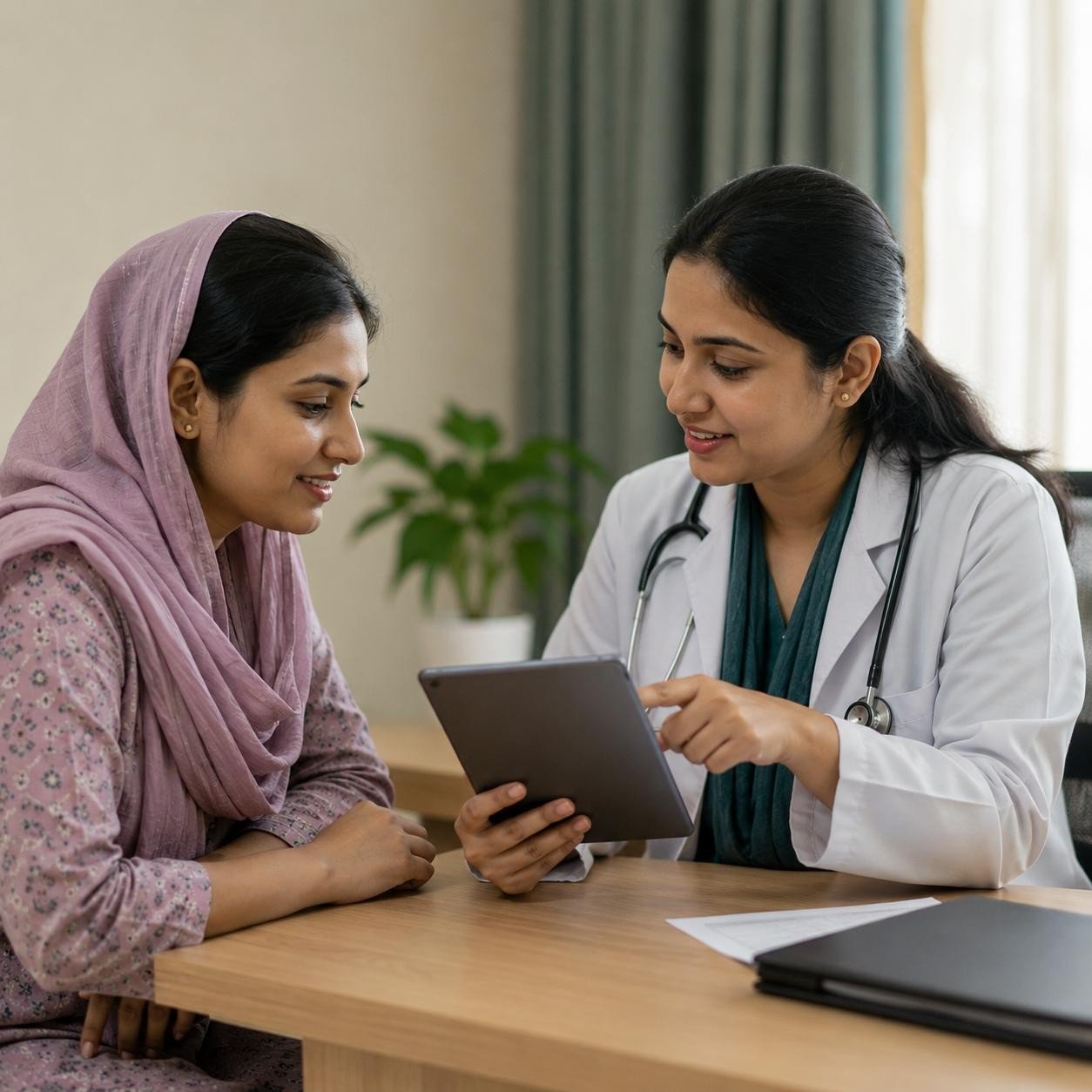

A proposed two-way digital health application could make women’s healthcare easier to reach, understand, and manage across Bangladesh. The platform would have separate sections for patients and healthcare providers, allowing both sides to share useful information and stay connected after a clinic visit. For patients, the application could offer health education, appointment notices, screening reminders, and clear guidance on maternal health, cervical cancer, breast cancer, and other common concerns. For doctors and frontline workers, it could support basic data collection, patient follow-up, referral tracking, and better planning for local services. This is especially important in communities where women may delay treatment because of distance, cost, limited information, or discomfort discussing personal health problems. A simple digital tool cannot replace trained medical professionals, but it can help people know when to seek care and where to find it. The proposal also highlights the need for advanced training for young physicians and grassroots health workers. Better training can help them use digital records, explain health risks clearly, recognise warning signs, and guide patients to the correct level of care. Another suggested improvement is bringing different types of frontline staff together under one Community Health Worker system. A more connected workforce could reduce repeated tasks and help patients receive consistent support from home visits to clinics and hospitals. The application should be designed for ordinary users, including people with limited digital skills. Bangla language support, simple buttons, voice options, low-data use, and access through affordable phones could make it more inclusive. Strong privacy protection will also be essential because health records contain personal information. Patients should understand how their data is used, and only authorised workers should be able to view it. The system will need secure login methods, clear consent rules, regular checks, and a fast way to correct mistakes. Pilot testing in different urban and rural areas could show what works before the platform is expanded nationwide. Feedback from women, doctors, nurses, community workers, and disability groups should guide the final design. Reliable internet and device access remain challenges, so offline features and local support centres may also be useful. The proposal offers a practical way to connect technology with human care. When digital reminders, trusted information, skilled workers, and safe referrals operate together, women can receive help earlier and continue treatment more easily. A well-designed platform could strengthen preventive care, reduce missed follow-ups, and bring essential health services closer to families throughout Bangladesh. It could also provide planners with anonymous local trends, helping clinics prepare staff, supplies, and awareness programmes without exposing individual identities. This can guide local health planning decisions. With careful testing and responsible management, the service can become a trusted bridge between women and the healthcare system.