

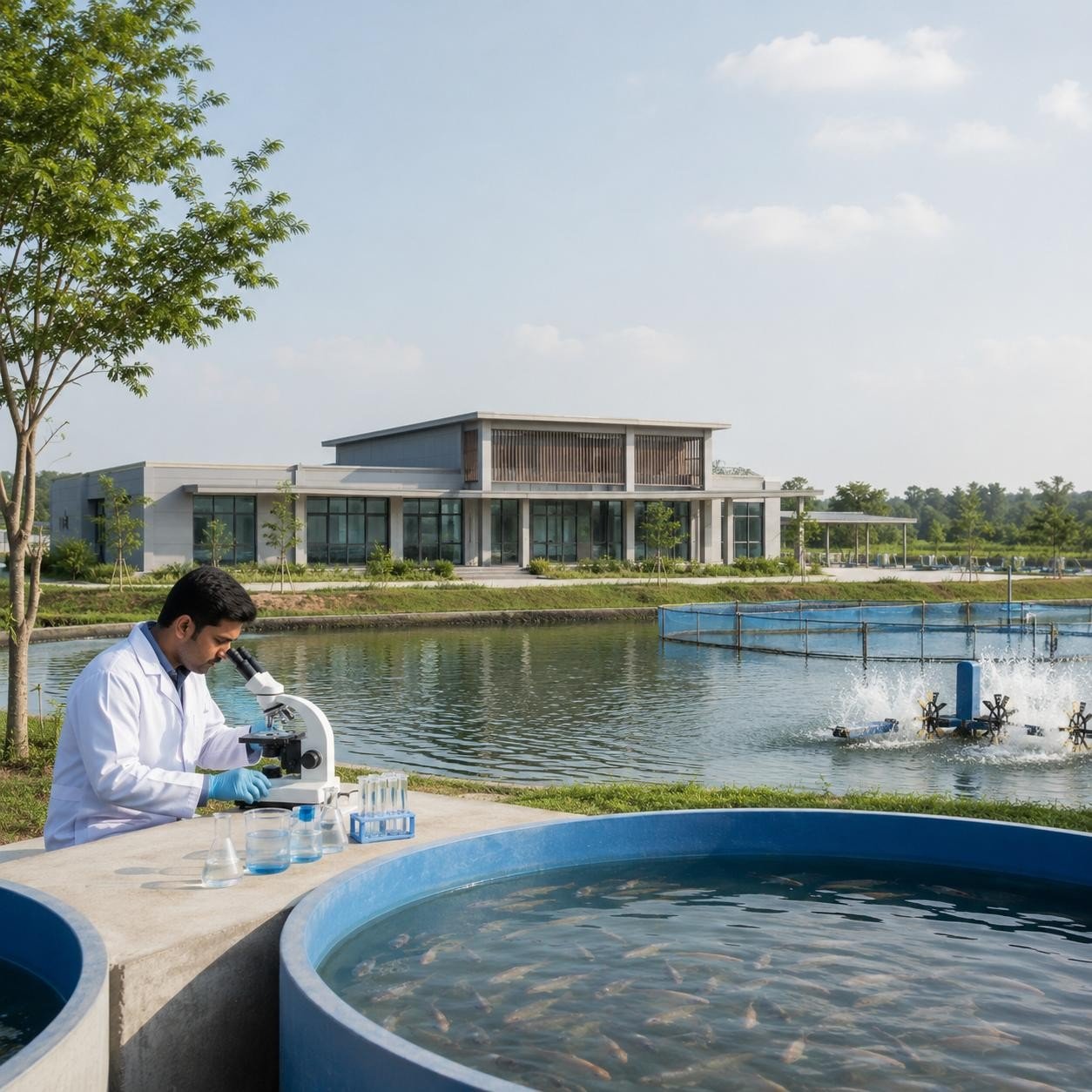

A new aquaculture research centre planned in Mymensingh could strengthen fish farming by bringing science, training, and field experience closer together. The initiative is expected to support better research on fish health, water quality, feed, breeding, farm management, and climate-related challenges. Mymensingh is already closely linked with fisheries education and production, making it a suitable place for a centre focused on practical solutions for farmers. Bangladesh depends heavily on fish for food, nutrition, jobs, and rural income, so improvements in aquaculture can benefit many families. A dedicated research centre could test new methods under local conditions before recommending them to producers. This is important because a technique that works in one area may not work equally well in another. Researchers can study pond conditions, fish species, disease risks, feed use, and production costs to find options that are both effective and affordable. The centre could also help farmers understand how to prevent losses rather than only reacting after problems appear. Early disease detection, safe water management, good-quality fingerlings, and balanced feeding can improve survival and reduce waste. Training programmes may allow farmers, hatchery operators, students, and extension workers to learn directly from specialists. Knowledge can then move from laboratories to ponds through demonstrations, simple guides, and local partnerships. The centre may also create opportunities for young researchers to work on real challenges faced by fish producers. Their work could support new technologies, improved breeds, lower-cost feed, and farming systems that use water and land more efficiently. Stronger cooperation between universities, government agencies, businesses, and farming communities would make the research more useful. Farmers should have a voice in setting priorities so studies address the problems they face every day. The centre could also collect reliable data on production, disease, market needs, and environmental conditions. Better information would help farms plan investments and help decision-makers design effective support. Responsible aquaculture is not only about producing more fish. It also means protecting water, using medicine carefully, maintaining food safety, and keeping farms profitable. By focusing on these areas, the planned centre can help the sector grow in a balanced way. The wider promise is a stronger link between research and real farming practice. When scientific findings are explained clearly and tested with producers, they can lead to healthier fish, lower losses, better incomes, and safer food. The Mymensingh initiative therefore represents an important step toward a more skilled, productive, and sustainable aquaculture industry. The planned centre could study how fish farming connects with nutrition and household food security. Affordable technologies, including simple water testing tools and mobile advice services, could reach small producers quickly. If findings are shared openly, farmers will feel more confident about trying improved methods and investing in ponds.