

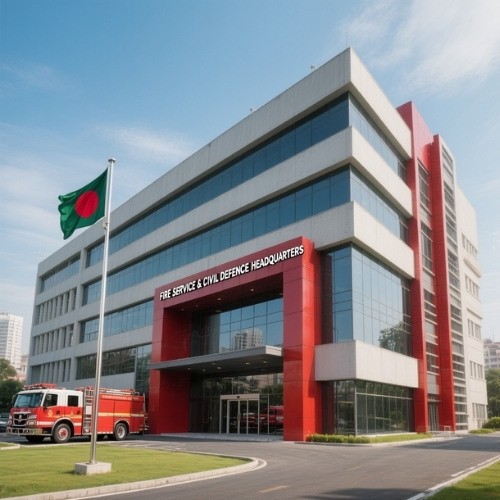

Bangladesh marked a major step to strengthen emergency response with a groundbreaking for a new Fire Service and Civil Defense Headquarters in the capital, and the launch showed that safer buildings and better coordination can save lives and limit damage when disasters strike. The new complex is part of the Urban Building Safety Project and is financed by Japan through official development assistance, and representatives from the Japan International Cooperation Agency, the Japanese embassy, public works engineers and fire service officials attended the ceremony to show strong partnership. This headquarters will act as a central command centre where rescuers, planners and support teams can work together quickly during fires, earthquakes and other emergencies, giving a single place for coordination, training, communication and equipment storage. Designers have chosen base isolation technology for the building, a proven method widely used in Japan that helps structures remain stable and functional in strong earthquakes, so control rooms, pumps and life-saving gear can keep working when they are most needed. That technology helps protect not only people but also vital systems, and it sets a new standard for public safety buildings in the country by showing how modern engineering can lower the risk that emergency services will be knocked out at the worst moment. The project grew from lessons learned after past disasters and aims to fill gaps in urban safety by adding shared services, clear inspection rules, and regular training programs that will help staff and local engineers keep equipment ready and respond faster. JICA and other partners also plan to support capacity building so local teams can run the advanced systems and carry out maintenance, and training will include drills, technical courses and help for workers to learn new tools and safety checks. Officials say the hub will let fire and civil defense teams practise joint operations, test mobile command units, and run simulations with real equipment, which will reduce delays and confusion during real incidents and help crews move from scene to scene with better plans. Beyond the technical gains, the project is meant to show how international cooperation can bring modern, resilient public buildings that protect communities and support steady urban growth while respecting safety and environmental needs. Organizers indicated that completing the project will require explicit approvals, consistent financial support, and attentive oversight to ensure the location can be inaugurated promptly and quickly provide training, collaborative laboratories, and a facility that assists community emergency plans in extending to additional areas. When the headquarters is ready, it will be a working example for future projects, showing how tough design, training and long-term support can keep rescue teams on the job after a quake or fire and help towns recover faster with fewer losses and partners.